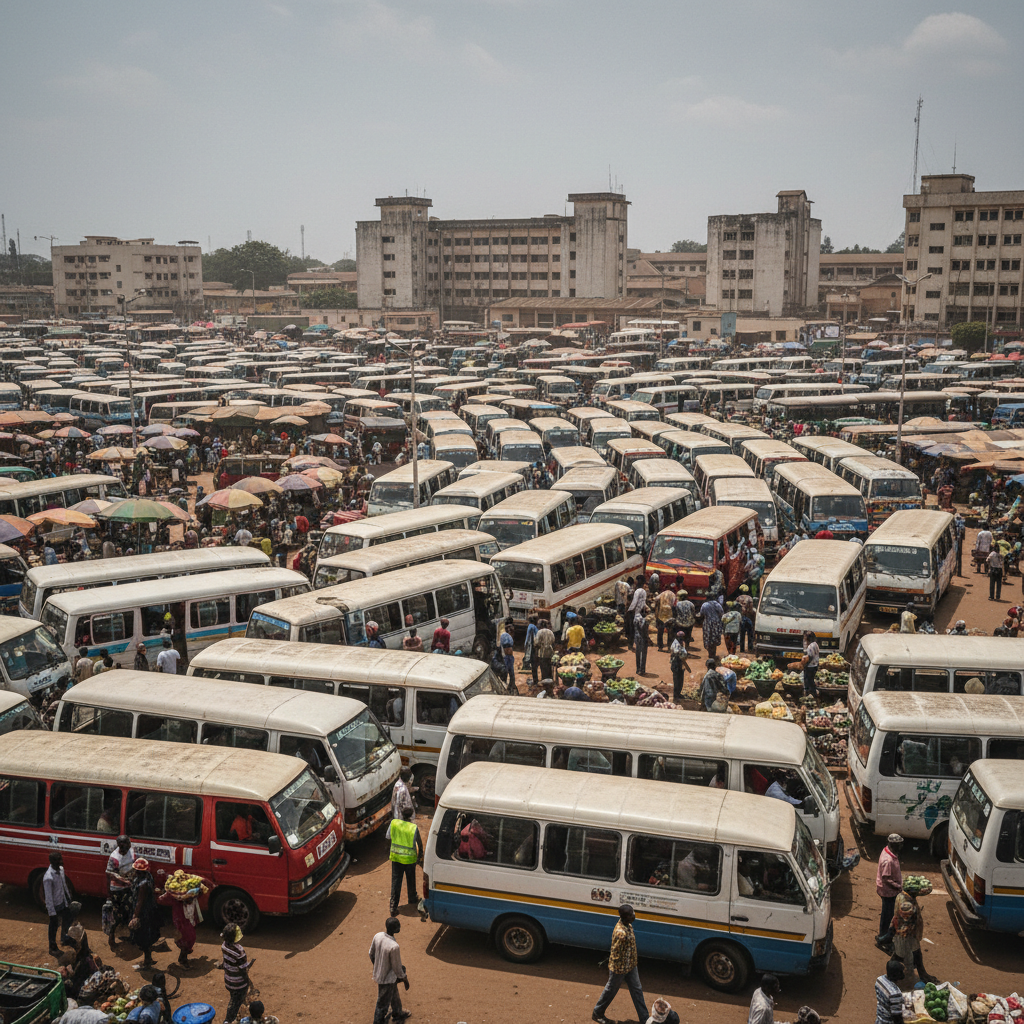
Ghana’s economy loses over GHS 4 billion annually because of its inefficient public transportation system. Two university professors stated the decades-old model is no longer fit for purpose and requires immediate reform. They noted that daily long queues, overcrowded terminals, and unreliable services highlight the urgent need for improvements.
This substantial economic drain stems from a largely informal transport system. It undermines national productivity and increases the cost of doing business. Commuters face undue physical and financial strain from these systemic inefficiencies. The current challenges necessitate a modern, efficient, and reliable transport system for Ghana's growing population and economy.
This situation fits into Ghana's broader economic narrative regarding infrastructure deficits and productivity challenges. Studies indicate Ghana loses more than GHS 4.5 billion annually to traffic congestion alone. This loss includes wasted productive hours, fuel wastage, and health-related impacts. Modernizing public transport could significantly boost economic output and improve living standards.
Professor Ernest Agyemang, an Associate Professor of Transport Geography at the University of Ghana, described the system's inefficiencies as alarming. He highlighted practices such as charging full fares for partial journeys, indicating deep structural weaknesses. Professor Agyemang noted informal operators manage about 95 per cent of daily passenger movements.
Professor Ricky Yao Nutsugbodo, an Associate Professor of Hospitality and Tourism at the University of Energy and Natural Resources, emphasized the system's informality and poor regulation. He stated that decades of inadequate investment and fragmented planning contribute to the current problems. Solutions like Metro Mass Transit and Aayalolo saw limited success due to operating within congested networks without dedicated lanes.
The experts advocate for an integrated transport system anchored on stronger regulation, digital technology, and sustained infrastructure investment. They propose a trunk-feeder model using large buses on major corridors and smaller vehicles for community access. This system would integrate digital route mapping, real-time passenger information, and electronic fare payments. Dedicated bus lanes and stricter traffic management are also crucial for success.
Lessons from cities like London, Singapore, Tokyo, Nairobi, and Lagos show the benefits of integrated planning. These cities utilize seamless connections between different transport modes and unified ticketing systems. An efficient, integrated public transport system is vital for improving mobility and reducing congestion. It promotes trade, tourism, and supports sustainable national development.
Moving forward, policymakers will need to consider significant investment and regulatory reforms. A well-functioning public transport system will directly impact worker productivity and business operational costs. The government's response to these recommendations will shape urban development and economic growth in the coming years.