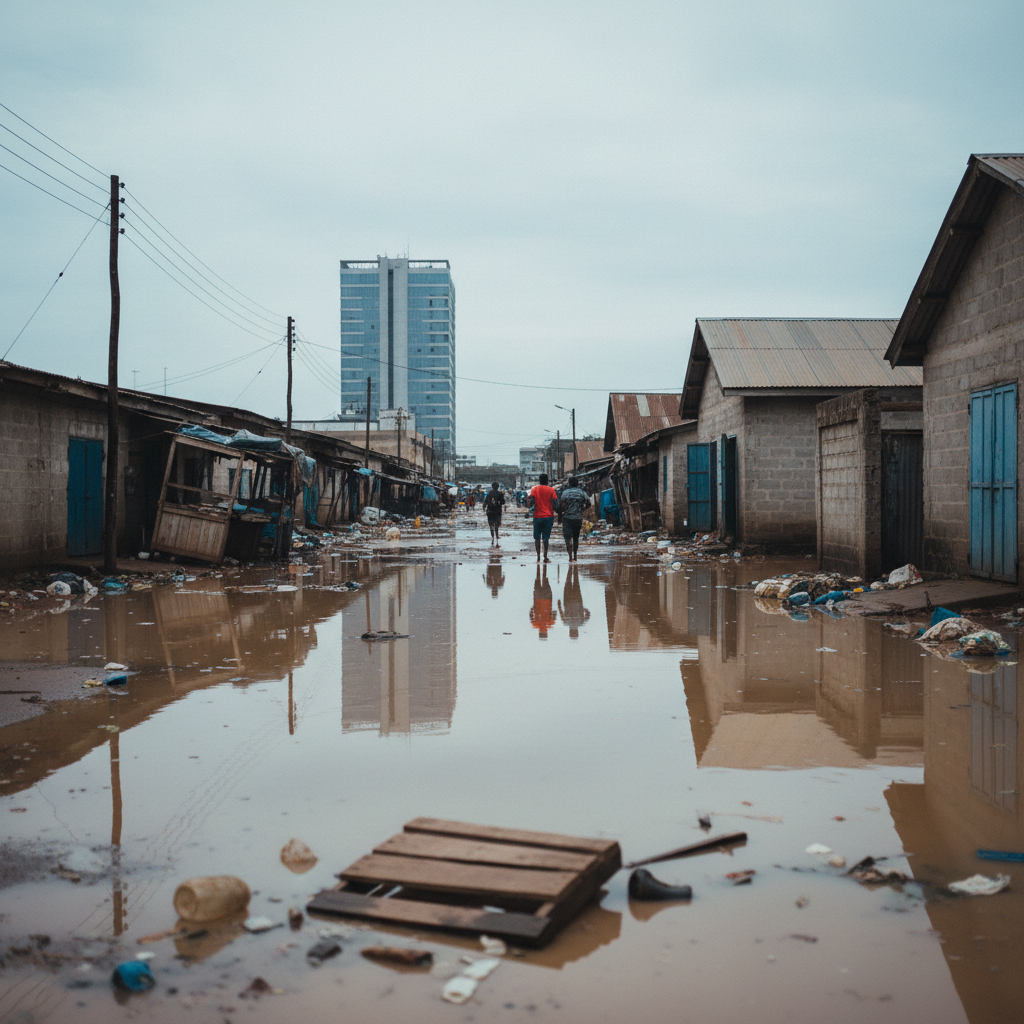
Ghana's Interior Minister, Muntaka Mohammed-Mubarak, has confirmed that 35 people died in devastating floods during June. Six more individuals remain missing, and 58,000 people were displaced in Accra alone.
These fatalities and displacements occurred across the Central, Greater Accra, and Volta regions. Torrential rains impacted these areas, causing widespread destruction. The severe flooding overwhelmed communities, necessitating extensive relief and recovery operations.
The recurrent flooding incidents in Ghana highlight ongoing challenges in urban planning and climate resilience. Accra, the capital city, frequently experiences significant disruption during the rainy season. This situation underscores the urgent need for long-term infrastructure solutions, particularly improved drainage systems. The economic cost of these disasters, including damaged property and lost livelihoods, is substantial. This adds pressure on public finances already grappling with other economic headwinds.
Interior Minister Mohammed-Mubarak updated Parliament on Tuesday, July 7, on the situation. He noted that the Central Region experienced its worst disaster a week before June 29, recording 18 deaths. The Greater Accra Region’s death toll from the June 29 floods initially stood at 12 but rose to 13 after another body was recovered on Monday. Four people also lost their lives in the Volta Region from earlier June flood incidents. The government has prepared several temporary shelters, including facilities managed by the Ministry of Gender, Children and Social Protection and the National Disaster Management Organisation (NADMO).
These figures indicate the severe human cost of the recent flooding. The massive displacement in Accra will continue to strain social services and relief efforts. Decision-makers must now focus on sustained public health surveillance to prevent disease outbreaks. Long-term strategies for improving urban infrastructure and early warning systems are crucial to mitigate future risks. Markets and local businesses will likely experience continued disruption as affected areas recover.
The government is intensifying relief and recovery efforts across the affected regions. Emergency agencies like NADMO and the Ghana Armed Forces are distributing relief items and clearing debris. Despite government efforts to provide shelter, many displaced individuals preferred staying with relatives. This indicates a potential trust gap or preference for informal support networks over state-provided facilities. Authorities are also desilting drains and restoring damaged infrastructure to prevent future occurrences. The widespread impact also puts pressure on housing and rental markets within Accra. The long-term economic implications of such frequent disasters require serious policy consideration.