Ghana’s government, under former President John Mahama, significantly curtailed spending on the $350 million Greater Accra Resilient and Integrated Development Project (GARID). This monetary tightening occurred in an effort to combat high inflation, leading to project delays and concerns from the World Bank.
This decision, while successfully driving headline inflation down from 23.5% in January 2025 to 3.8% by January 2026, resulted in critical public works being left incomplete. The GARID project, funded by the World Bank, aimed to reduce flood risk, improve waste management, and enhance emergency response in Accra. However, fiscal measures introduced by the Ministry of Finance during 2025 severely constrained its implementation.
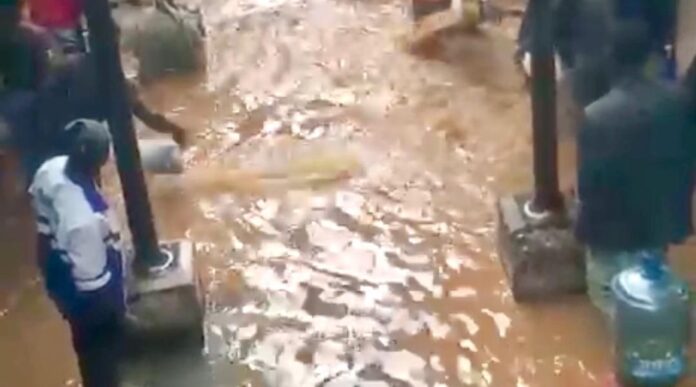
This situation fits into a broader narrative of Ghana’s ongoing struggle to balance fiscal discipline with the urgent need for infrastructure development. Historically, governments have faced pressure to control public debt and inflation. Yet, these efforts can sometimes inadvertently delay vital projects, impacting everyday citizens and the nation's economic resilience. The flooding in Accra in June 2026, which displaced thousands and caused significant damage, highlighted the direct consequences of such project delays.
The World Bank’s May 2026 update rated GARID’s progress as “moderately unsatisfactory.” The report explicitly stated, “The implementation of GARID has been significantly constrained by fiscal measures introduced by the Ministry of Finance during 2025.” This assessment was particularly notable because funding from the World Bank was available and ready for disbursement, but the Ghanaian government's internal spending caps prevented its utilization.
The immediate implication of these actions is a renewed focus on the trade-offs between macroeconomic stability and public welfare. Decision-makers and financial markets will now closely monitor how future fiscal policies balance inflation control with the timely delivery of essential services. The World Bank's intervention, which saw the government process $10.5 million in February and return GHS 13.8 million swept from the project account, indicates the pressure external partners can exert. However, these actions only partially eased liquidity constraints, leaving a significant financing gap for critical works.
The experience serves as a cautionary tale: fiscal discipline, while necessary, must be strategically applied. Halting essential projects like flood control, especially in a city prone to severe annual flooding, causes more harm than good. Unpaid Interim Payment Certificates (IPCs) for contractors not only stall projects but also negatively impact households and businesses relying on that work. The long-term costs of such delays, including contractor claims and further cost overruns, often outweigh the short-term savings from spending cuts. Ghana must now ensure that its pursuit of macroeconomic indicators does not neglect the fundamental needs of its citizens or compromise its long-term development goals. This careful balancing act will define future policy responses to similar economic pressures.