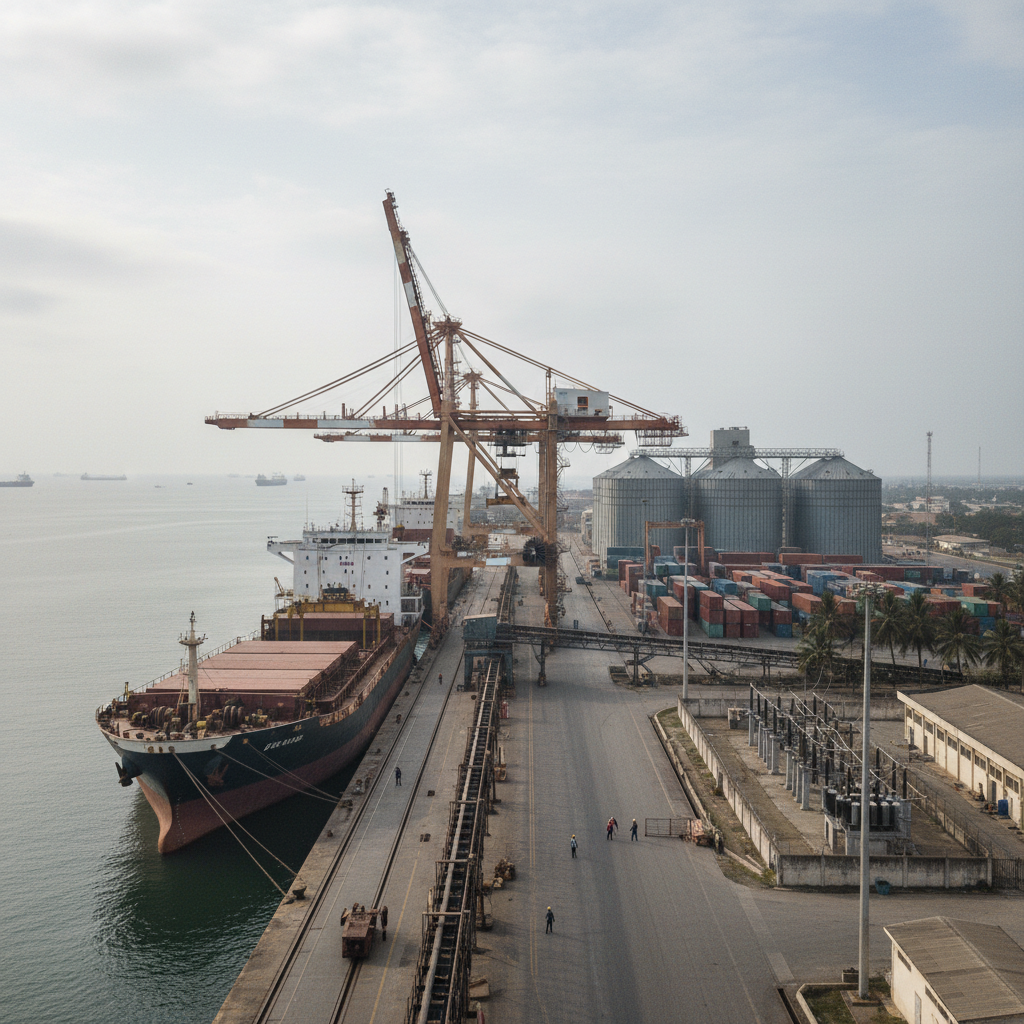
The Ghana Institution of Engineering (GhIE) has called on policymakers to prioritize maintaining existing infrastructure over constructing new projects. This urgent plea comes as poor maintenance continues to erode national assets and deplete public resources.
Dr. Charles Kwarteng Asafo-Adjei, a member of the GhIE's Public Accountability Committee, stressed this point on Monday, July 13, ahead of the Ghana Infrastructure Report Card 2026 launch. Ghana must adopt a proactive maintenance culture to improve infrastructure performance. He questioned the logical basis of constructing new facilities if the nation cannot properly maintain its existing ones.
This initiative fits into a broader national discussion about prudent financial management and sustainable development. Ghana has historically faced challenges in infrastructure development and upkeep, often leading to premature deterioration of vital structures. Reference data from previous infrastructure assessments indicates a consistent pattern of neglect once projects are completed.
Dr. Asafo-Adjei clearly stated, “If you cannot maintain, why do you have to construct? The little that we have, we must maintain it very well.” He likened the upcoming report card to a student's academic report. It measures the condition of key infrastructure sectors. It highlights areas needing immediate improvement.
The GhIE believes that objective infrastructure assessments should guide government investment decisions. This approach would identify areas requiring urgent attention, moving away from politically motivated project selections. Political incentives often favor visible new projects that attract votes, sidelining less visible but critical maintenance work.
Ghana's infrastructure challenges stem from inadequate planning and weak maintenance practices, according to Dr. Asafo-Adjei. He stated, “If you fail to plan, you plan to fail. Everything begins from planning.” Roads, drainage systems, and other public infrastructure often deteriorate because maintenance is neglected until failures become visible to the public.
The Ghana Infrastructure Report Card 2026 will assess eight critical sectors. These include roads, bridges, railways, aviation, health, education, water, and energy infrastructure. The GhIE first introduced this report card in 2016, following similar successful initiatives in countries like the United States and the United Kingdom. Its launch is scheduled for Tuesday at the Engineering Centre in Roman Ridge, Accra.
Going forward, policymakers will face increasing pressure to balance new development ambitions with the critical need for asset preservation. The insights from the Ghana Report Card 2026 could influence future budgetary allocations and project prioritization. A shift towards a maintenance-first policy would likely impact construction companies and public works departments. It could also lead to a more sustainable use of Ghana's GHS 12.5 billion annual infrastructure budget.