Ghana's government will develop a 150-acre air cargo hub at Tamale International Airport. This new facility aims to significantly boost the export of high-value agricultural produce from northern Ghana to international markets. The initiative forms a crucial part of the government's broader economic strategy.
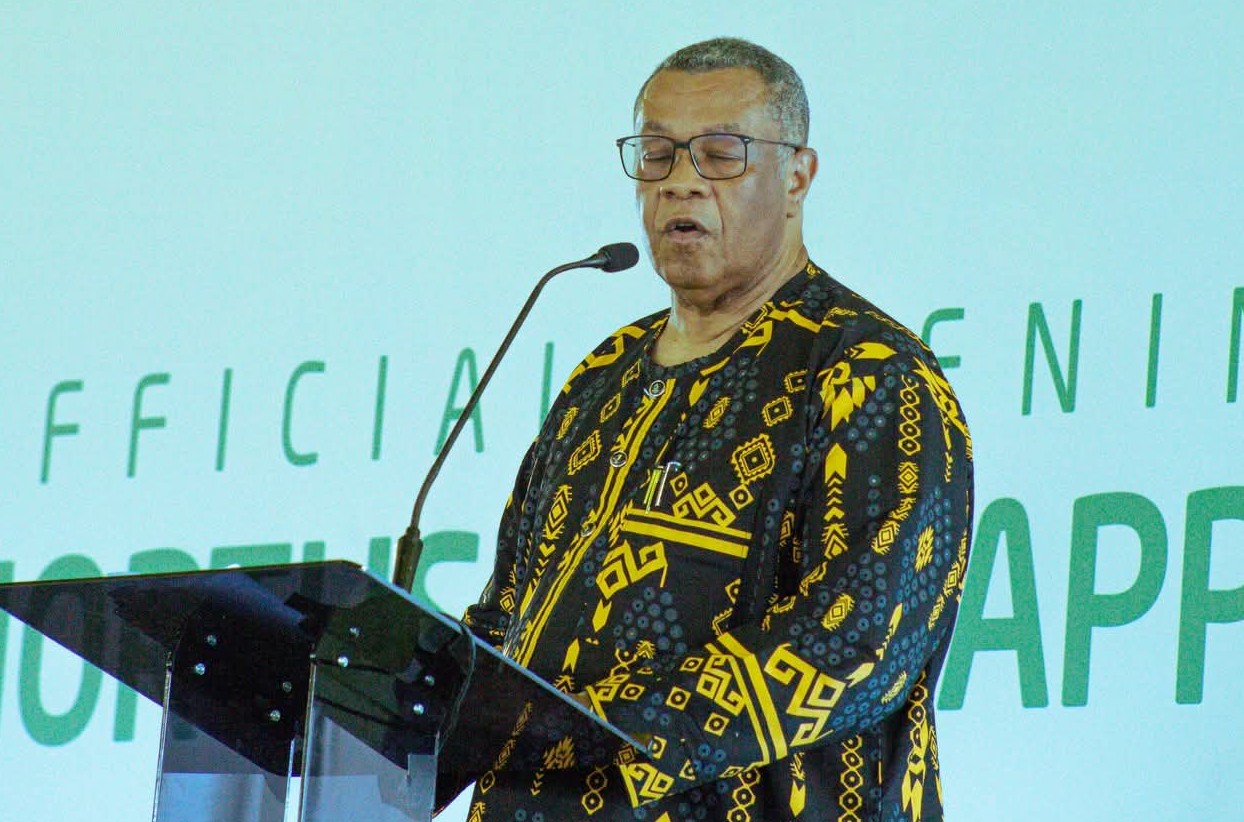
Mr. Goosie Tanoh, National Coordinator for the 24-Hour Economy Secretariat, announced this development. The hub will specifically facilitate the export of vegetables, fruits, and other agricultural goods. This move is designed to create an integrated production and export system. It connects agriculture, manufacturing, energy, and logistics across northern Ghana.
This project fits into Ghana's larger economic narrative of diversifying exports and promoting regional development. The government has consistently sought to add value to its raw agricultural materials. This strategy aims to reduce reliance on traditional commodity exports. It also seeks to create more jobs within the agricultural sector. Previous initiatives, like the 'Planting for Food and Jobs' program, have focused on boosting production. This new hub now addresses the critical logistics gap for international trade.
Mr. Tanoh confirmed that the Secretariat has already demarcated the 150 acres of land. This was done in collaboration with the Ghana Airports Company Limited. He stated, “The air cargo facility will provide a dedicated logistics platform for moving high-value agricultural commodities produced in northern Ghana directly to international markets.” This direct access is vital for perishable goods.
The development carries significant implications for Ghana's agricultural sector and overall economy. It promises to enhance market access for farmers and agribusinesses in the northern regions. This could lead to increased incomes and improved livelihoods. The hub is also expected to attract further investment in commercial agriculture and agro-processing. This will strengthen Ghana's position as an agricultural exporter. It also aligns with the government's goal of fostering a 24-hour economy, which seeks to maximize productivity and economic activity around the clock.
This air cargo hub is not an isolated project. It is part of a wider economic transformation program under the 24-hour economy initiative. This program seeks to integrate production centers with efficient transport, energy, and export infrastructure. For example, the government is also developing an agriculture corridor. This corridor covers about 120,000 hectares at Senga and Daboya. It will support commercial-scale production of vegetables, cereals, and oilseeds. This corridor also includes a proposed $270 million integrated poultry industry. These interconnected projects aim to create a robust agricultural value chain.
Furthermore, the government is working to provide affordable and reliable energy to support industries in the region. Plans include a 1.5-gigawatt solar power plant under the Volta Economic Corridor. Mr. Tanoh emphasized that these initiatives are interconnected components of a single production system. He explained, “Farms at Senga, factories at Savelugu and Daboya, export logistics in Tamale and energy at Wipei are not separate initiatives. They are part of a single production system.” This integrated approach aims to unify Ghana’s economy into one ecosystem. This will drive productivity, increase production, create jobs, and promote inclusive economic growth.
The success of the 24-hour economy program depends on connecting farmers, industries, logistics providers, and export markets. This creates an efficient value chain. The German Ambassador to Ghana, Mr. Frederik Landshof, commended Ghana's industrial revolution efforts. He pledged Germany's continued commitment to supporting Ghana's sustainable development. This international backing underscores the potential impact of these projects. The air cargo hub is a critical piece in transforming northern Ghana into a major production and export hub.