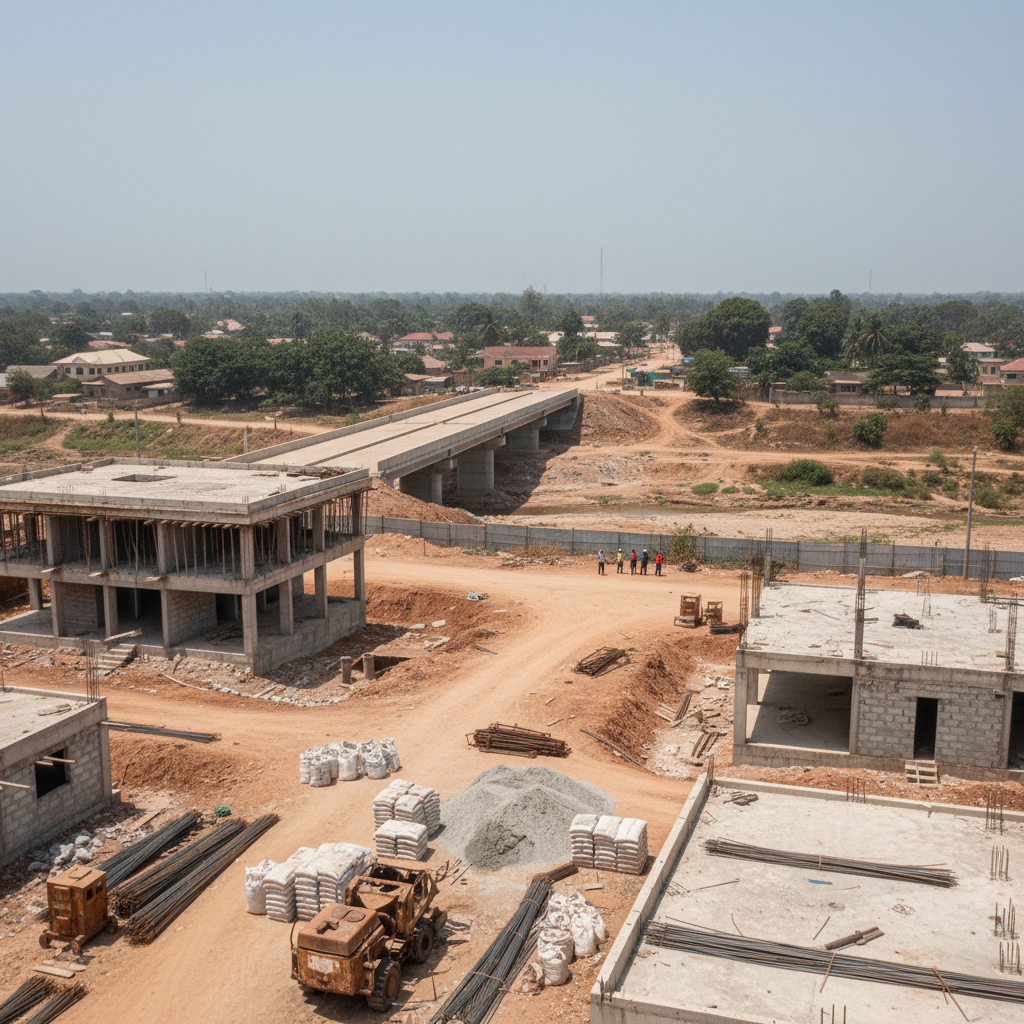
Ghana's Greater Accra Resilient and Integrated Development (GARID) Project faces delays due to fiscal restrictions from the Ministry of Finance, not alleged fund misapplication. The World Bank's latest implementation update, published in May 2026, details these findings. This report contradicts earlier claims that substantial project funds were diverted.
Nana Agyei Baffour Awuah, Member of Parliament for Manhyia South, stated that the World Bank's assessment does not support allegations of fund misapplication. He dismissed claims by Finance Minister Dr. Cassiel Ato Forson, who, while in opposition in 2024, alleged a US$65 million diversion. This amount was reportedly redirected from flood mitigation for COVID-19-related expenses. Mr. Awuah emphasized distinguishing political claims from factual reports.
This development fits into Ghana's broader economic narrative of navigating financial constraints and project funding. The GARID Project, funded by the World Bank, aims to improve flood risk management and strengthen urban resilience in Greater Accra. Its effective implementation is crucial for mitigating the region's persistent flooding challenges. Expenditure bottlenecks and fiscal restrictions directly impact crucial infrastructure projects, affecting urban development and public safety.
Mr. Awuah questioned the basis of the fund diversion allegations. He challenged whether any official investigation confirmed delays linked to redirected GARID funds. He said, "What does your investigation say? Has there been a case where the GARID programme was delayed because of delayed payment?" His statements highlight the need for concrete evidence in financial accountability.
The World Bank's report downgraded the GARID Project's implementation rating. It moved from moderately satisfactory to moderately unsatisfactory. This change signals significant issues in project execution. Fiscal restrictions imposed by Ghana's Ministry of Finance caused cash flow problems. These problems prevented timely payments for project activities. This impacts the pace of flood control and waste management efforts.
The implications are significant for Ghana's infrastructure development and financial oversight. Decision-makers must address the expenditure bottlenecks to ensure the GARID Project achieves its goals. Markets and international partners will observe how Ghana resolves these fiscal challenges. The timely release of funds for critical projects remains paramount for economic stability and growth. Future project financing may depend on demonstrating improved financial management.
The ongoing discourse highlights a recurring theme in Ghanaian public finance. Allegations of fund misapplication often arise, but official reports sometimes provide different explanations. The World Bank's assessment offers an independent perspective on the GARID Project's status. Its findings focus on systemic financial constraints rather than specific fund diversions. This distinction is critical for understanding the true causes of project delays. It also informs future strategies for public project management in Ghana.
The ability to distinguish between political rhetoric and verified financial facts is essential. This distinction ensures public confidence in government projects. It also promotes accountability in public spending. The GARID Project's experience provides a case study in navigating complex financial allegations. It underscores the importance of transparent financial reporting and robust project oversight. Future project success depends on learning from these challenges.