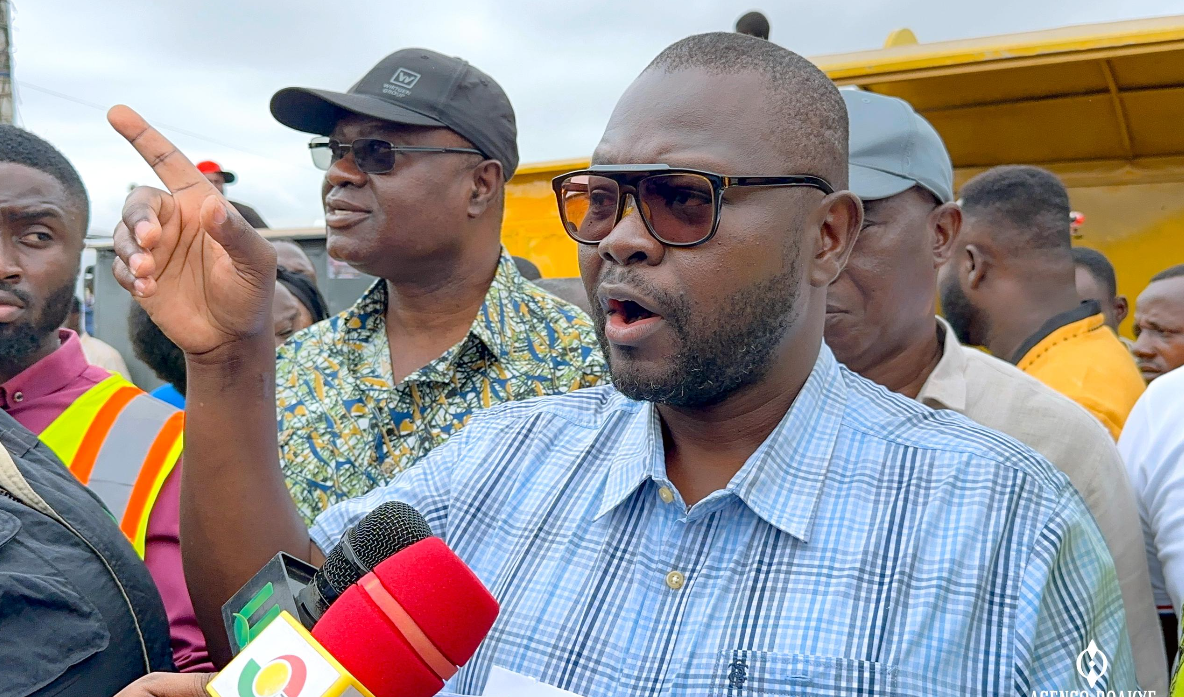
Ghana's Greater Accra Resilient and Integrated Development (GARID) project has experienced significant delays. A former Works Minister claims the government's 2025 fiscal measures are responsible for these holdups. This attribution reportedly aligns with findings from a World Bank assessment, highlighting the impact of economic policy on critical infrastructure.
The GARID project aims to improve flood resilience and solid waste management in the Greater Accra Region. Specifically, it involves upgrading drainage infrastructure and sanitation. Delays in such a vital project directly affect thousands of residents in flood-prone areas. Accra's persistent flooding issues have caused considerable damage and displacement over recent years.
These delays add to a pattern of public infrastructure projects facing funding or implementation challenges in Ghana. The country has been navigating a challenging economic environment. The government has focused on fiscal consolidation to bring down debt and stabilize the economy. Such measures often involve re-prioritizing spending and potential cuts in some areas.
Former Works Minister Franklin Cudjoe defended the government's management of GARID funds. He stated the project has been refocused on flood mitigation efforts. Cudjoe's comments suggest an acknowledgment of the funding pressures. They also indicate a strategic shift in project execution. This shift might be in response to the economic climate.
The current economic climate demands careful resource allocation from the government. The Ministry of Finance prepares its annual budget and economic policy for 2025. This process will determine the pace of future infrastructure development. Decisions made will influence major projects like GARID. These fiscal measures could further impact their progress.
The World Bank plays a crucial role in funding and assessing development projects in Ghana. Its reported assessment of GARID delays underscores the challenges. The Bank's perspective often informs international investor confidence. It also guides Ghana's financial planning. The government must balance fiscal discipline with essential development needs.
The implications of persistent GARID delays are severe for Accra's residents. Unmitigated flooding continues to disrupt livelihoods and public health. Decision-makers must find a balance between fiscal prudence and urgent infrastructure needs. The timely completion of projects like GARID is essential. It is critical for the urban resilience and economic stability of the Greater Accra region. Future government budgets will be closely watched for their impact on such vital initiatives.