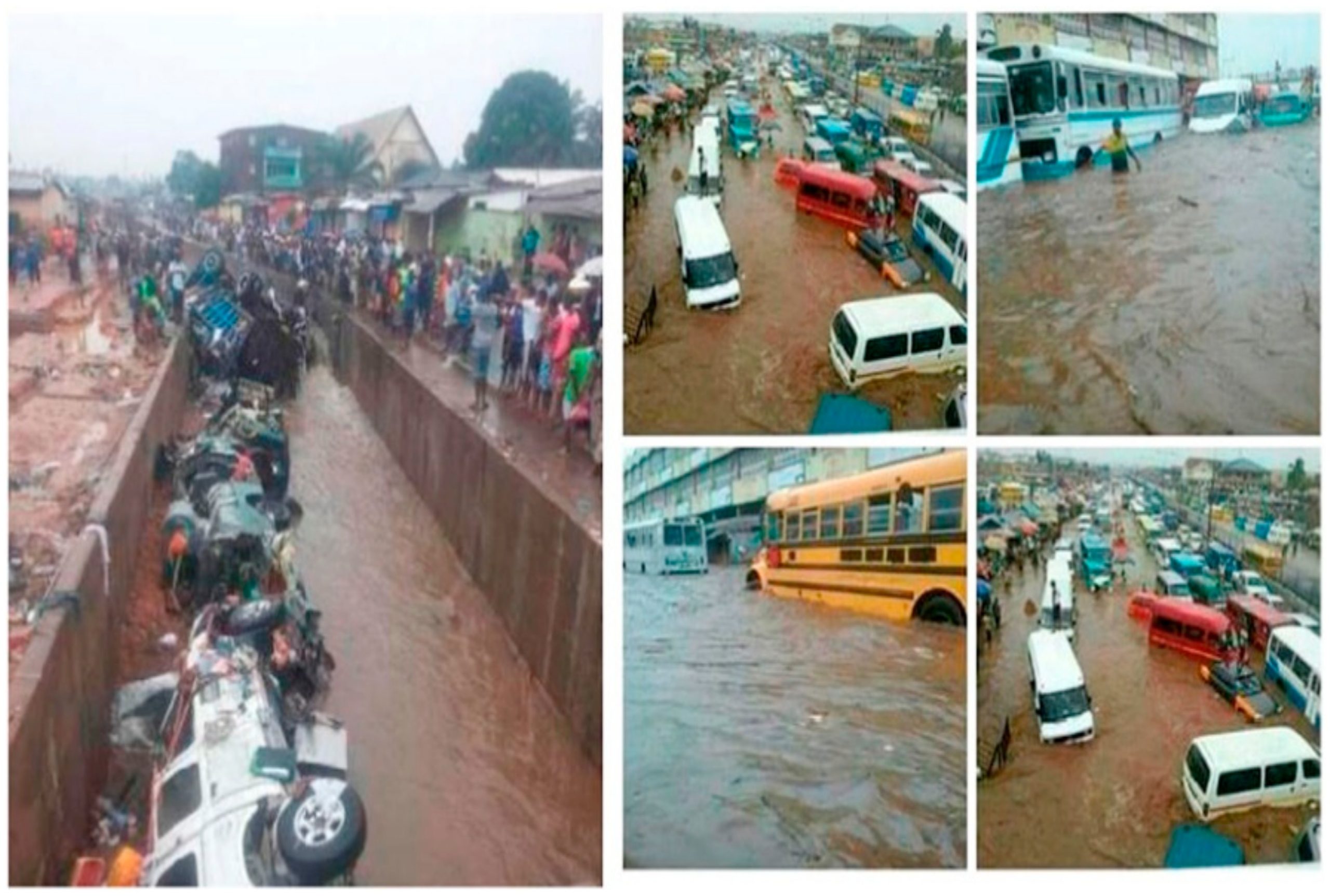
The African Youth Water Forum (AYWF) has issued a critical warning: worsening floods across West Africa are rapidly escalating into severe water crises, endangering millions of people. The youth-led organization is urging African governments and development partners to make urgent investments in climate-resilient water and sanitation infrastructure.
Recent devastating floods in Ghana, Togo, and Nigeria have starkly revealed the fragility of the region's water and sanitation systems in the face of climate change. These events have led to the destruction of vital drinking water sources, sanitation facilities, and other essential infrastructure. Consequently, access to safe water is becoming increasingly difficult for affected communities.
This situation fits into a broader narrative of climate vulnerability impacting Ghana's economic stability and public health. The destruction of infrastructure and the spread of waterborne diseases place additional strain on public health systems and divert resources from other development priorities. Ghana's economy, particularly its agricultural sector, is highly susceptible to climate-related disruptions, making resilient infrastructure a critical investment for sustained growth.
Joseph Tettey Afangbe, Convener of the AYWF, emphasized the need for a fundamental shift in approach. He stated, "Floods should never become a death sentence or a public health emergency simply because communities lack resilient water systems. Every flood that contaminates a well or borehole reminds us that climate resilience begins with safe water."
The immediate implication is a heightened risk of public health emergencies, including outbreaks of cholera and typhoid fever, in flood-affected areas. Decision-makers must prioritize long-term preventative measures over reactive responses. This includes integrating water safety into national flood early-warning systems and intensifying public education on hygiene and flood preparedness.
The AYWF praised the Government of Ghana and emergency response agencies for their efforts following recent Accra floods. These efforts included rescue operations, relief provisions, and financial support for recovery and prevention. However, the Forum stressed that sustainable solutions require continuous investment in stronger drainage systems and robust climate-resilient water infrastructure.
Beyond Ghana, the problem extends significantly. In Togo, nearly 24,000 people have been affected by severe flooding. Nigeria regularly experiences devastating floods, impacting hundreds of thousands and causing widespread infrastructure damage. These regional impacts highlight a systemic vulnerability across West Africa.
The Forum also pointed out that more than 411 million people in Sub-Saharan Africa still lack access to safely managed drinking water. Flooding further contaminates these already limited water sources, exacerbating humanitarian conditions and increasing disease risks. This underscores the urgency of the AYWF's call for action.
AYWF recommends several key actions for governments. These include identifying vulnerable water and sanitation facilities in flood-prone areas and investing in their resilience. They also advocate for developing emergency safe-water response plans and strengthening early-warning systems. Public education on hygiene and flood preparedness is also crucial.
The Forum appealed to development partners, regional organizations, and other stakeholders to increase funding for resilient water infrastructure. They also called for support for youth-led research and innovation in this critical area. The AYWF concluded that Africa cannot continue rebuilding fragile water systems after every flood. It called on governments, the African Union, regional institutions, civil society organizations, development partners, and the private sector to make safe water a central part of climate adaptation and disaster preparedness efforts.