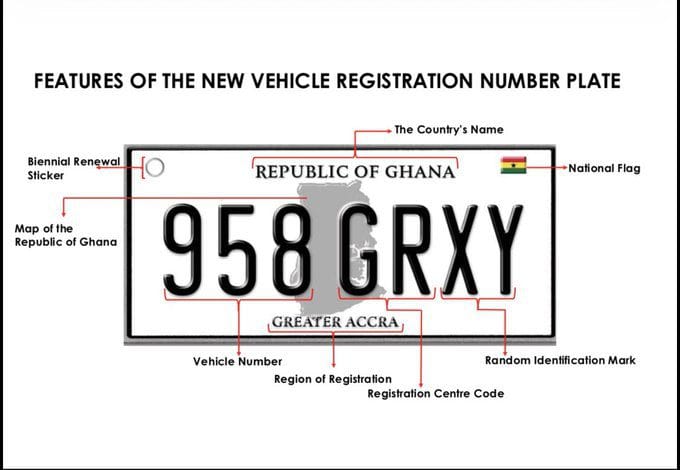
Ghana's Driver and Vehicle Licensing Authority (DVLA) will launch a new vehicle number plate system incorporating Radio Frequency Identification (RFID) technology. This reform addresses critical problems within the current vehicle registration framework.
An estimated 5% of vehicles in Ghana use fake number plates, contributing to crime and significant revenue losses. The existing system suffers from weak security, slow data access for police, and vulnerability to duplicate plates. The new RFID system aims to solve these long-standing issues, ensuring greater traceability and accountability.
This initiative aligns with Ghana's ongoing digital transformation agenda, which has prioritized integrating public services. Platforms like the Ghana Card and mobile money interoperability laid the groundwork for such advanced systems. The previous government championed these digital infrastructures to create more connected and efficient service delivery.
Julius Neequaye Kotey, the DVLA CEO, has been commended for advancing this critical initiative. Its objective is to strengthen Ghana's vehicle registration database. The system will link vehicle identification to the national Ghana Card database, enabling more accurate identity verification.
The RFID system promises multiple benefits beyond enhanced security. It will prevent the registration of stolen and uncustomed vehicles. It also aims to eliminate revenue leakages and strengthen ownership verification processes. This creates a more reliable vehicle registration database.
Furthermore, the system will improve coordination among key state institutions. For example, the Ghana Police Service, National Insurance Commission (NIC), and the Judiciary could use an integrated database. This would streamline law enforcement efforts and insurance claims significantly.
The success of the RFID vehicle plate system largely depends on its implementation. While the technology offers promising solutions, poor execution could lead to delays or increased costs for vehicle owners. The DVLA must ensure a smooth transition to avoid creating new problems for the public.
If properly implemented, this RFID-based vehicle identification system could become a landmark reform. It has the potential to deliver lasting benefits for all road users across Ghana. Efficient and transparent deployment is crucial to maximize its positive impact.