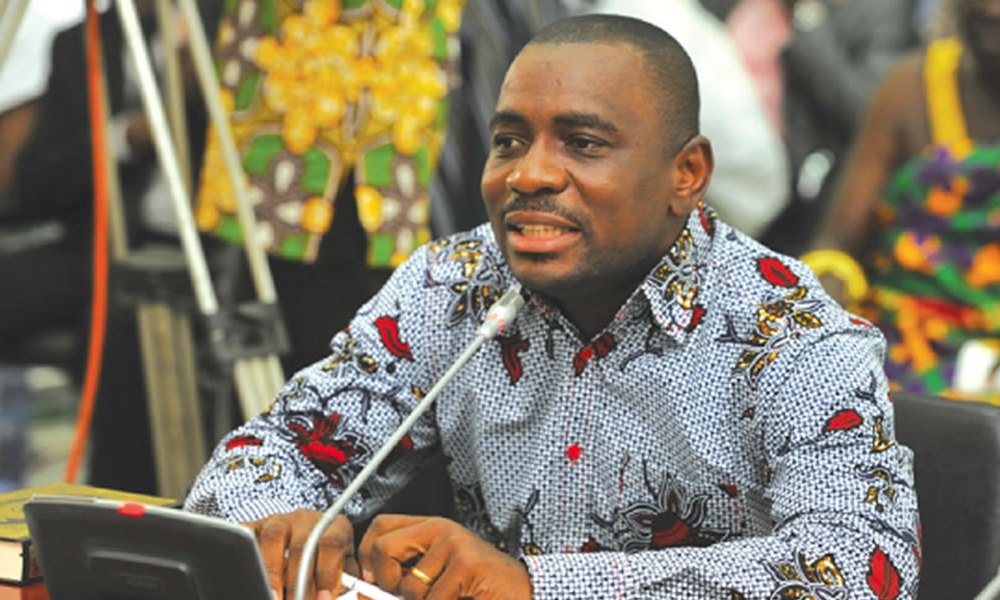
Domestic flight prices in Ghana have significantly increased, with a return ticket from Accra to Kumasi now reaching between GHS 4,000 and GHS 5,000. This substantial rise has prompted Kennedy Nyarko Osei, the Member of Parliament for Akyem Swedru, to publicly question the government's assertions of a robust national economy.
The legislator expressed his dismay over the soaring airfares, noting that such prices contradict claims of improved economic conditions. He highlighted that in 2024, the same return journey cost between GHS 1,600 and GHS 2,000. This earlier period experienced less favourable inflation and economic conditions compared to the present.
This sharp increase in domestic air travel costs directly challenges the narrative of a recovering Ghanaian economy. Official data from the Ghana Statistical Service indicates a consistent decline in year-on-year inflation since early 2023. The Bank of Ghana has also reported relative stability in the cedi's exchange rate against major international currencies. However, the rising flight prices suggest that these macroeconomic improvements may not be translating into tangible benefits for consumers.
Kennedy Nyarko Osei stated via social media, "In 2024 a return air ticket from Accra – Kumasi was between 1,600 – 2,000 depending on the peak even when inflation and other economic conditions were not all that favorable. Today with inflation and exchange rate reasonably down a return flight to the same destination will cost you between 4,000 – 5,000." He added, "This is crazy and doesn’t make sense if the economy is doing well then prices must rather go down or stabilizes and not to tick up."
The persistent high cost of domestic flights could have several implications for Ghana's economy and its citizens. It may deter domestic tourism, impacting local businesses reliant on travel. Businesses requiring frequent internal travel for their operations will face increased costs, potentially affecting their profitability and pricing strategies. This situation could also fuel public skepticism regarding the government's economic management and its stated achievements.
Policymakers will need to address these concerns, possibly by investigating the factors driving the airline price increases. These factors could include fuel costs, operational expenses, or market competition dynamics. The public and businesses will closely watch how the government reconciles its positive economic outlook with the rising cost of essential services like domestic air travel. This discrepancy highlights the complex challenge of ensuring macroeconomic stability translates into improved living standards for all Ghanaians. The government's response to these concerns will be crucial in shaping public perception of the economy's true health.