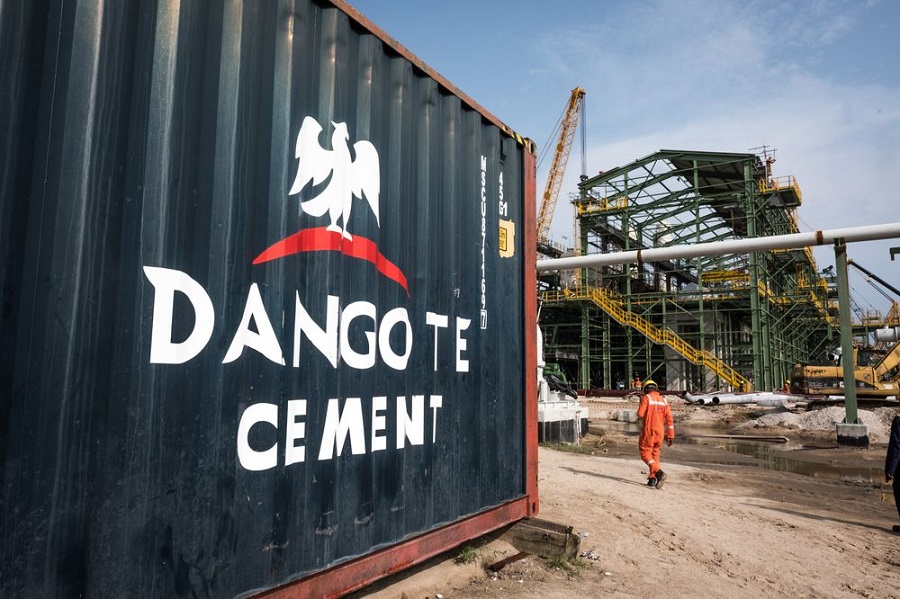
Dangote Group is acquiring new vessels from China to manage a projected sixfold increase in its annual cargo movements. This strategic shift addresses the significant maritime logistics challenges hindering trade between Nigeria, Ghana, and the broader West African market.
The industrial giant expects its vessel movements to surge from 300 to 1,800 annually. This expansion supports growth across its refining, cement, fertiliser, sugar, flour, and petrochemical operations. The move underscores a fundamental problem: even Africa's largest industrial group finds it difficult and expensive to transport goods between major regional economies.
This situation exposes a critical weakness in West African trade infrastructure. It costs more to ship goods from Lagos to Accra than from Spain to Lagos, according to Aliko Dangote. Such high costs undermine the economic benefits of regional integration and the African Continental Free Trade Area (AfCFTA). Ghana, located less than 500 kilometres by air from Lagos, faces costly road corridors and limited coastal shipping capacity for commercial shipments.
Devakumar Edwin, Dangote Group Vice-President for Oil and Gas, stated that the group previously struggled to secure shipping for a 1,000-metric-tonne cement shipment from Nigeria to Ghana. This difficulty prompted the decision to acquire vessels capable of serving West and Central African markets directly. Road transport offers no easy solution, with transit country taxes and costs increasing export prices.
Dangote's response involves increased vertical integration, acquiring its own vessels to control cargo availability and distribution costs. This strategy reduces reliance on third-party shipping and aims to improve supply chain reliability. China is a natural choice for vessel procurement, dominating global commercial shipbuilding with 54.60% of worldwide output in 2024.
The group's maritime needs will grow substantially as its Lagos refinery expands. The refinery plans to increase capacity from 700,000 barrels per day to 1.4 million barrels per day by 2029. This US$14.3 billion expansion will also boost petrochemical output and refined petroleum product volumes for African and international markets. This growth adds to shipping requirements for crude oil, refined fuels, cement, and agricultural inputs.
A dedicated fleet moving Dangote products directly between Nigeria, Ghana, and other coastal markets could lessen dependence on scarce third-party shipping. This approach could also enhance the reliability of regional supply chains. However, this strategy also highlights the limited capacity of indigenous maritime services.
Mr. Edwin noted that Nigerian shipowners often lack the vessels and financing needed to capitalize on the country's industrial expansion. He explained that financing a vessel alone does not guarantee a viable shipping business. Essential elements like guaranteed cargo, supporting infrastructure, insurance, regulatory approvals, and long-term charter arrangements are also crucial. Without these, new vessel owners struggle and fail, even with available finance, he added. This situation underscores the broader need for robust maritime infrastructure and financial support across the region to facilitate intra-African trade effectively.