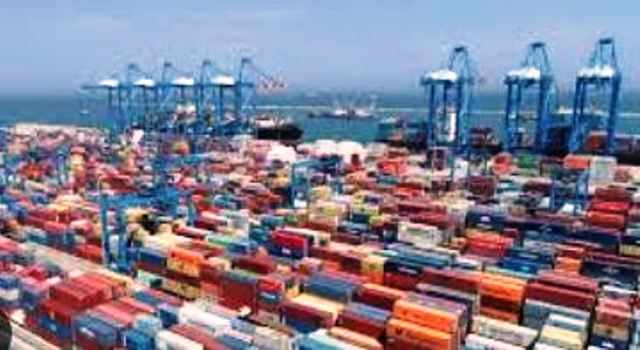
Ghanaian Customs officials and port stakeholders have convened to address significant operational bottlenecks causing container delays at Tema Port. This high-level meeting focused on improving efficiency and reducing congestion at the Meridian Port Services (MPS) Terminal 3.
The gathering brought together senior officials from the Ghana Ports and Harbours Authority (GPHA), MPS, and the Customs Division of the Ghana Revenue Authority (GRA). Discussions centered on challenges hindering container movement and the urgent need for coordinated measures. These efforts aim to streamline operations, reduce cargo turnaround times, and facilitate legitimate trade through Ghana’s primary seaport.
These delays at Tema Port have broader implications for Ghana’s economy, impacting the cost of doing business and government revenue. Efficient cargo movement is crucial for supporting local businesses and strengthening the country's role as a regional trade hub. Data from the Ghana Statistical Service consistently highlights the port's importance to national trade volumes. Prior initiatives, such as the paperless port system introduced in 2017, aimed to tackle similar efficiency issues.
Mr. Aaron Kanor, Commissioner of Customs, emphasized the critical need for stronger collaboration among port agencies. He stated that improved coordination and proactive communication are essential for reducing delays and enhancing revenue mobilization. Mr. Kanor reaffirmed Customs' commitment to a technology-driven and integrity-led clearance process.
The stakeholders collectively agreed on several measures designed to accelerate container movement and alleviate congestion within the port area. These resolutions are expected to strengthen inter-agency coordination and significantly improve overall operational efficiency at MPS Terminal 3. Such improvements are vital for maintaining Ghana's competitiveness in regional trade.
This meeting forms part of ongoing efforts by authorities to improve trade facilitation and prevent unnecessary increases in business costs. Tema Port serves as a major gateway for Ghana’s imports and exports, making efficient cargo handling paramount. The Customs Division will continue working with GPHA and other agencies to promote a faster, transparent, and technology-enabled clearance regime.
Ensuring smooth port operations directly impacts Ghana's economic stability and growth prospects. Reduced delays mean lower costs for importers and exporters, which can translate into more competitive prices for goods. This efficiency also boosts government revenue through faster processing of duties and taxes. The government's commitment to modernizing port infrastructure and processes remains a key focus for attracting foreign investment.
The successful implementation of these agreed measures will be closely watched by businesses, logistics providers, and international trade partners. Continued monitoring and adaptation of port processes will be necessary to sustain improvements. These actions underscore Ghana's dedication to optimizing its trade infrastructure and supporting economic development.