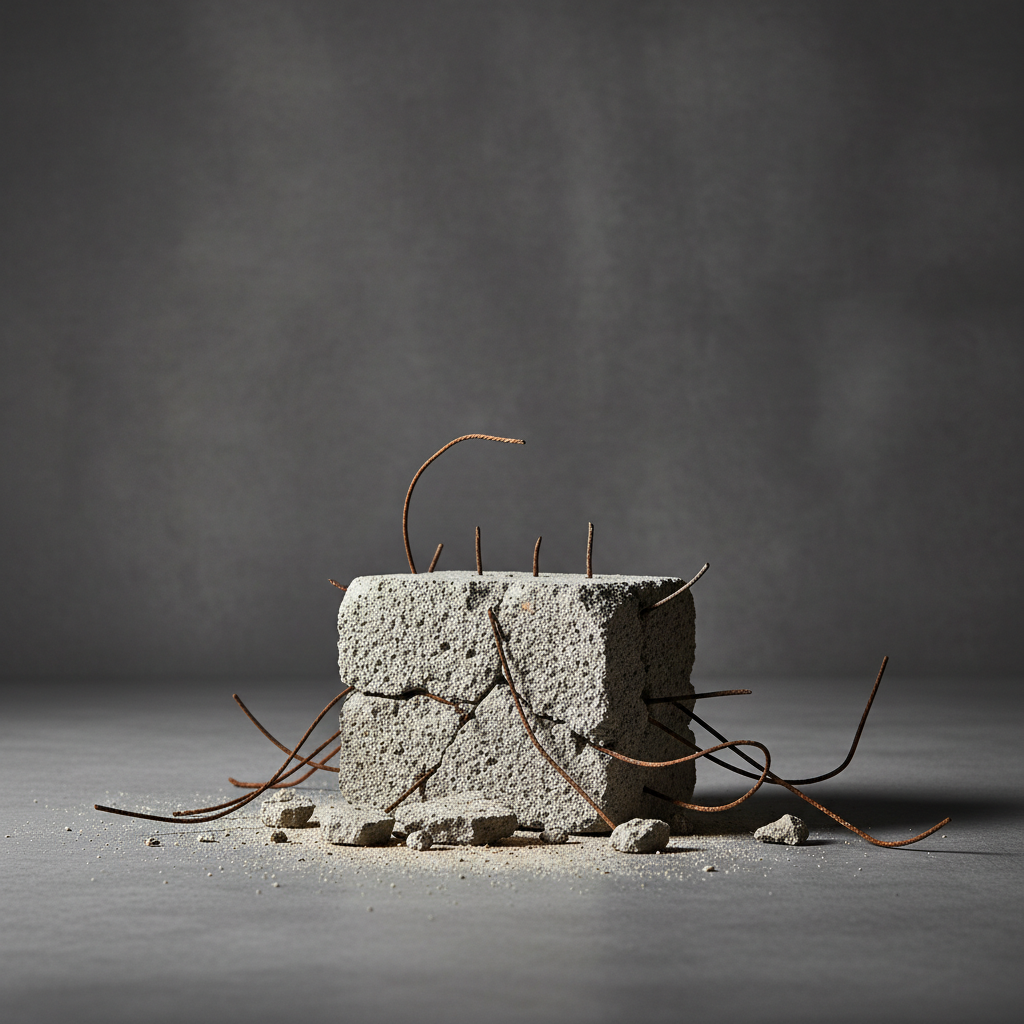
A recent inspection of the collapsed four-storey building in Avenor has found the concrete used to be significantly weak. The Ghana Institution of Engineers (GhIE) stated there was no evidence of engineering oversight on the structure. This revelation follows the building's collapse on Sunday, June 7, which tragically killed two people and left two others injured. Emmanuel Aidoo, a structural engineer with GhIE, conducted a visual assessment at the site. He reported that the concrete showed clear signs of not meeting basic safety standards even before formal testing. This indicates a serious deviation from required construction quality.
Mr. Aidoo explained that standard engineering practice demands concrete to possess a compressive strength of at least 25 Newtons per square millimetre. He expressed strong doubt that the material used in the Avenor building reached this critical benchmark. This four-storey structure, which includes a ground floor plus three upper levels, was reportedly built between 2020 and 2021. Its collapse after only about six years of existence points to fundamental construction flaws. The GhIE also noted that the building appears to have been constructed without necessary approval from the Accra Metropolitan Assembly. This suggests a critical failure in permitting and oversight processes.
This incident fits into a disturbing trend of construction safety failures in Ghana. In 2025, Accra saw another building collapse in Adenta New Site just days prior. That event claimed one life. Such events raise serious questions about the robustness of building regulations and their enforcement. The cost of such failures extends beyond immediate loss of life. It impacts public trust in infrastructure and development projects. Weak construction can lead to costly repairs or premature replacement of buildings. This diverts resources that could be used for other public services. The economic implications of inadequate construction standards are substantial.
Emmanuel Aidoo, Professional Engineer with GhIE, stated, "Visually, from the concrete, what I'm seeing is that you can clearly see that that concrete is not in the best condition." He further added, "I don't think it will get to that particular value," referring to the required compressive strength. This lack of adequate strength in building materials is a direct threat to structural integrity. The absence of engineering plans developed by licensed professionals means critical safety factors may have been ignored. This situation underscores the need for stricter adherence to building codes and professional supervision.
The findings from GhIE suggest that formal structural tests will be necessary to confirm the exact concrete strength and identify other potential structural issues. However, the initial visual evidence raises immediate concerns for public safety. Policymakers and city planners must now address the apparent gaps in construction permits and building inspections. Investors may also become wary of projects lacking clear safety certifications. The ongoing investigations will likely lead to calls for enhanced accountability for developers and supervisors. The public will expect swift action to prevent future tragedies of this nature. The economic stability of the construction sector also depends on maintaining high safety standards.