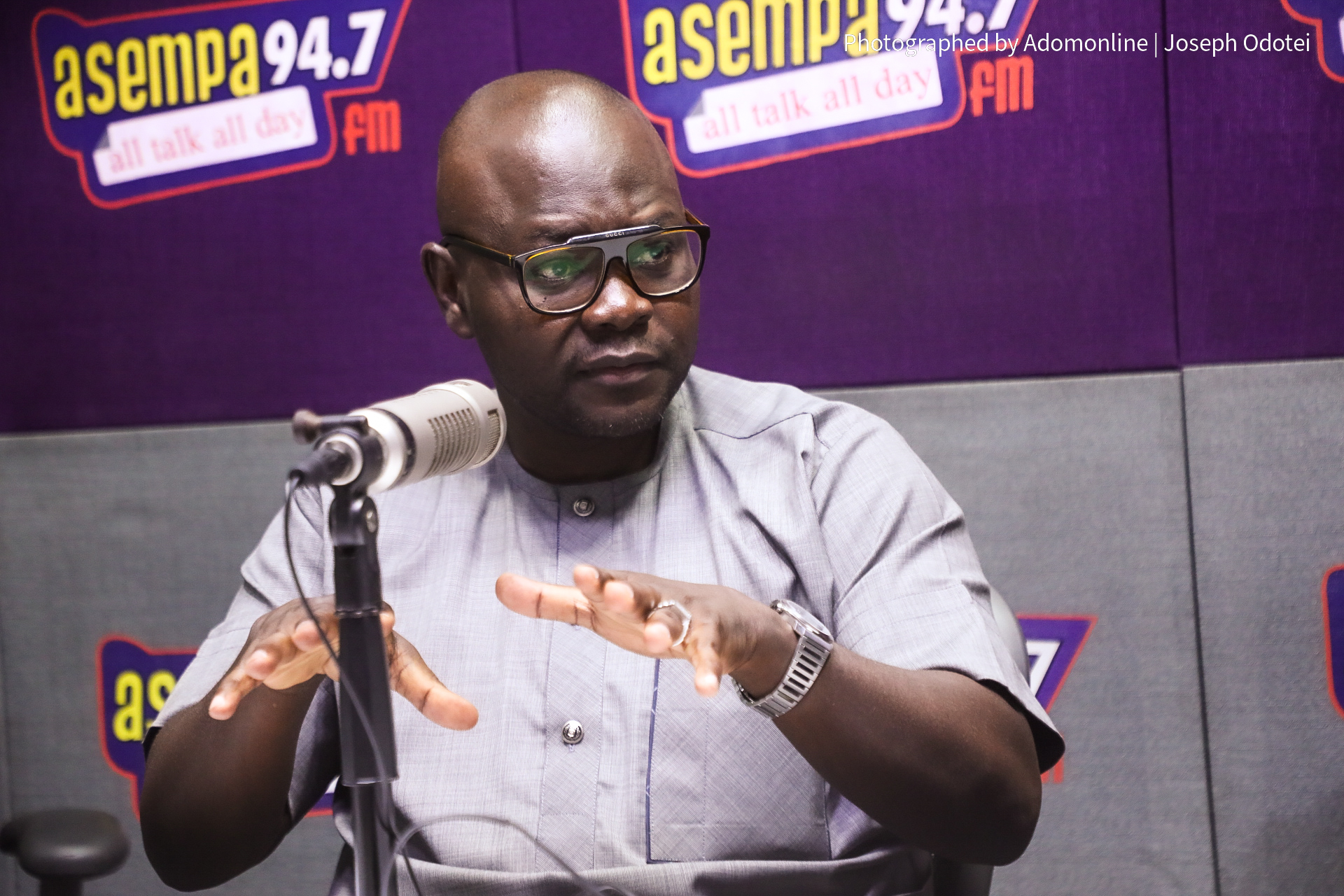
Francis Asenso-Boakye, the Ranking Member on Parliament’s Select Committee on Local Government and Decentralisation, has raised serious concerns about delays in major flood control projects. These delays could expose thousands of Ghanaians to recurring floods. The Bantama MP stressed the importance of these initiatives for national safety.
Mr. Asenso-Boakye called on the government to provide clear updates on flood mitigation interventions. He highlighted two key initiatives. Between 2018 and 2024, the previous administration invested about GHS 540 million under the National Flood Control Programme. This program funded drainage construction, rehabilitation, and desilting works nationwide. Additionally, US$350 million was secured from the World Bank for the Greater Accra Resilient and Integrated Development (GARID) Project. This project aimed to improve drainage infrastructure and strengthen flood resilience in Accra.
Ghana’s vulnerability to flooding is a persistent economic and social challenge. Floods disrupt livelihoods, damage property, and strain public finances. The National Flood Control Programme and the GARID Project represent significant investments to combat this issue. Their successful implementation is crucial for economic stability and public safety. These projects align with the broader national agenda to enhance climate resilience.
Speaking on the floor of Parliament on Tuesday, June 30, 2026, Mr. Asenso-Boakye recalled the substantial investments. He stated, “These are strategic flood protection projects, not ordinary infrastructure.” He noted that major works under the GARID project, such as the Odaw dredging and the South Kaneshie Drain, had already started. Procurement processes for critical infrastructure like the Atomic East and West Detention Ponds were also advanced.
The delays in these projects could lead to significant negative consequences. Continued heavy rains will exacerbate flood risks for vulnerable communities without these protective measures. The government faces pressure to accelerate project completion. This will ensure the protection of lives, property, and economic activities. Decision-makers and markets will closely watch the government’s response. Timely completion is essential for demonstrating commitment to national resilience.
Sustained investment in drainage infrastructure remains vital. Proper maintenance and strict enforcement of planning regulations are also crucial. These measures are necessary to address Ghana’s ongoing flooding challenges. The economic impact of stalled projects could be substantial. This includes potential losses from flood damage and increased humanitarian aid costs. Restoring momentum to these critical projects is paramount.