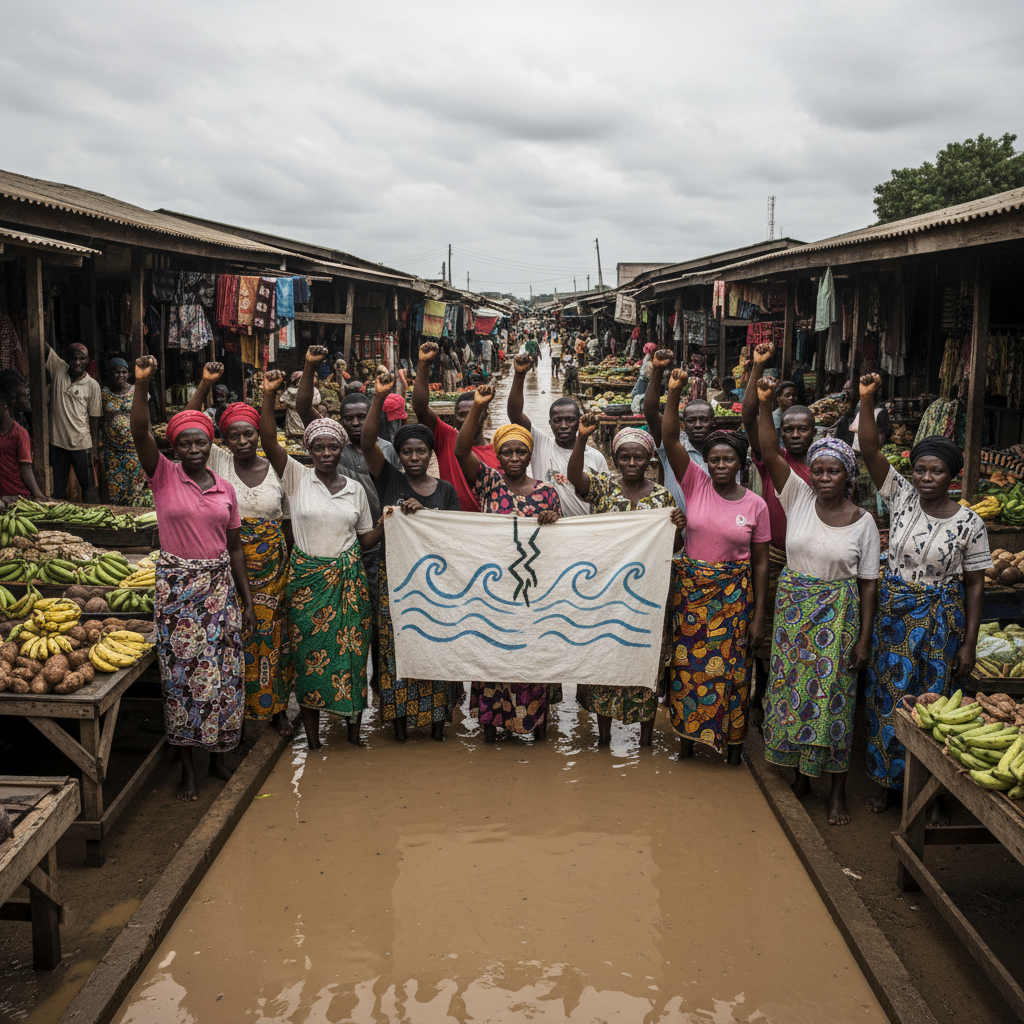
Traders and commercial drivers at Kumasi's Asafo Market are demanding urgent action from the Kumasi Metropolitan Assembly (KMA). They want the KMA to clear choked drains and implement lasting solutions to persistent flooding. This appeal follows renewed disruption from recent rains, which severely affected trading activities and vehicle movement.
Even light rainfall now causes flooding at the market’s frontage, according to local residents. They attribute this problem to blocked gutters and a drainage system that does not work well. This situation forces water onto main roads, creating dangerous conditions for both vehicles and pedestrians. The market, a critical transport and commercial hub, faces significant economic disruption each time it floods.
This problem fits into Ghana's broader infrastructure challenges, particularly in urban areas. Poor drainage and unauthorized construction often worsen the impact of seasonal rains. The Ghana Meteorological Agency (GMet) has warned about increased flood risks in various regions, including Accra. This highlights a nationwide issue of insufficient urban planning and enforcement. While specific financial figures for Asafo Market losses are not available, disrupted commerce in major markets can easily lead to daily losses exceeding GHS 1 million, impacting an estimated 5,000 businesses directly.
"The problem we are facing is that when it rains, water enters the cars. Nobody can pass here," one trader lamented. He emphasized that the situation recurs frequently and is becoming unbearable. Another driver noted that new road construction has made existing gutters too small. He also said that people have built on waterways, blocking natural drainage paths.
The immediate implication is an urgent need for the KMA to invest in flood control measures. Experts suggest that regular desilting programmes and stricter enforcement of building regulations are crucial. Without these interventions, the market's economic viability and the safety of its users remain at risk. Decision-makers must prioritize these infrastructure upgrades to protect local economies and public welfare.
Authorities undertook some drainage work last year, but the traders reported that the problem persists. This indicates that a more comprehensive and durable approach is necessary. Long-term solutions might include rebuilding drainage channels or creating alternative water diversion routes. The continued flooding in such a vital commercial area hinders economic growth and informal sector jobs. Over 10,000 people are employed directly or indirectly by the Asafo Market, making its functionality essential for livelihood stability in Kumasi.
Addressing the Asafo Market flooding issue could also serve as a model for other flood-prone areas in Ghana. Effective measures here could guide national strategies for urban resilience. This includes engaging local communities in planning and maintenance efforts to ensure sustainability. The KMA’s response will be closely watched by affected businesses and residents.