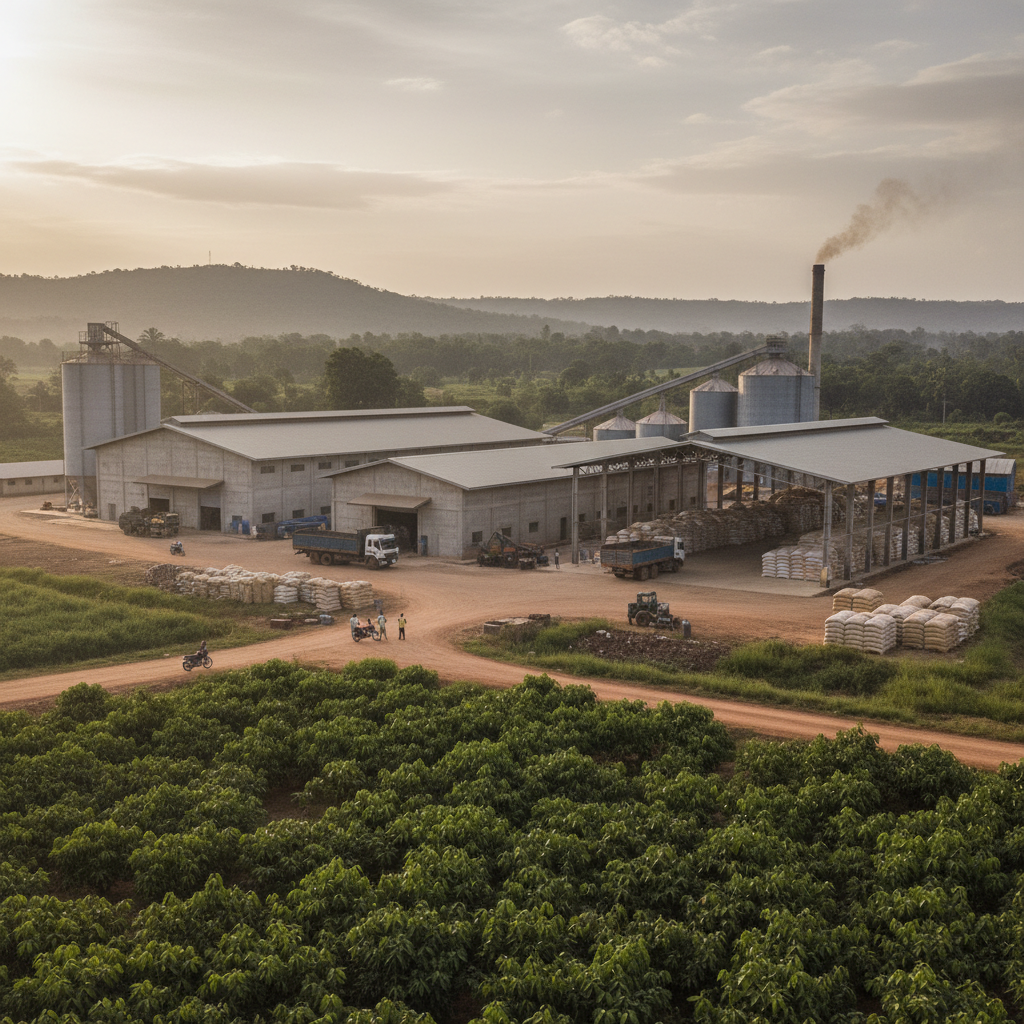
Former President John Mahama urged Ghanaian investors to seize economic opportunities in the Afram Plains. This call comes as the Ekye Amanfrom bridge project progresses over the Afram River. The bridge is a significant infrastructure development for the region.
The bridge construction aims to transform the Afram Plains by improving accessibility. Historically, poor access has hindered the region's vast agricultural potential. Increased access will attract new investments, particularly in large-scale agribusinesses. These businesses can serve both local and export markets.
This initiative aligns with Ghana's broader strategy to boost agricultural output and diversify its economy. The Afram Plains offers extensive fertile land suitable for various crops. Developing this area can reduce Ghana's reliance on food imports and create new export revenues. Prior governments have also highlighted the need to develop neglected rural areas for economic growth.
President Mahama emphasized the importance of local investment during a meeting with the Kwahu Business Advocacy Group. He stated, “I'll be happy that the Kwahu Business Advocacy Group takes advantage of it quickly instead of us waiting and then some foreigners will come and start establishing plantations there.” He highlighted that early investment ensures Ghanaian businesses capture the benefits. This project could significantly re-shape the regional economy, attracting interest from various development stakeholders.
The bridge's completion is expected to de-risk investments in the Afram Plains. Key sectors include cashew cultivation and processing, rice production, palm oil, and rubber. Investment in these value chains could create thousands of jobs. The region also holds significant tourism potential around the Volta Lake. Development of marinas and lakeside resorts could further stimulate local economic activity.
Decision-makers will closely monitor the rate of local investor uptake in the Afram Plains. The success of the Ekye Amanfrom bridge project will depend on private sector engagement. Policymakers will likely explore additional incentives to encourage Ghanaian businesses. This includes potential tax breaks or subsidies for agricultural and tourism ventures. The project’s impact on job creation and rural poverty reduction will be a key performance indicator.