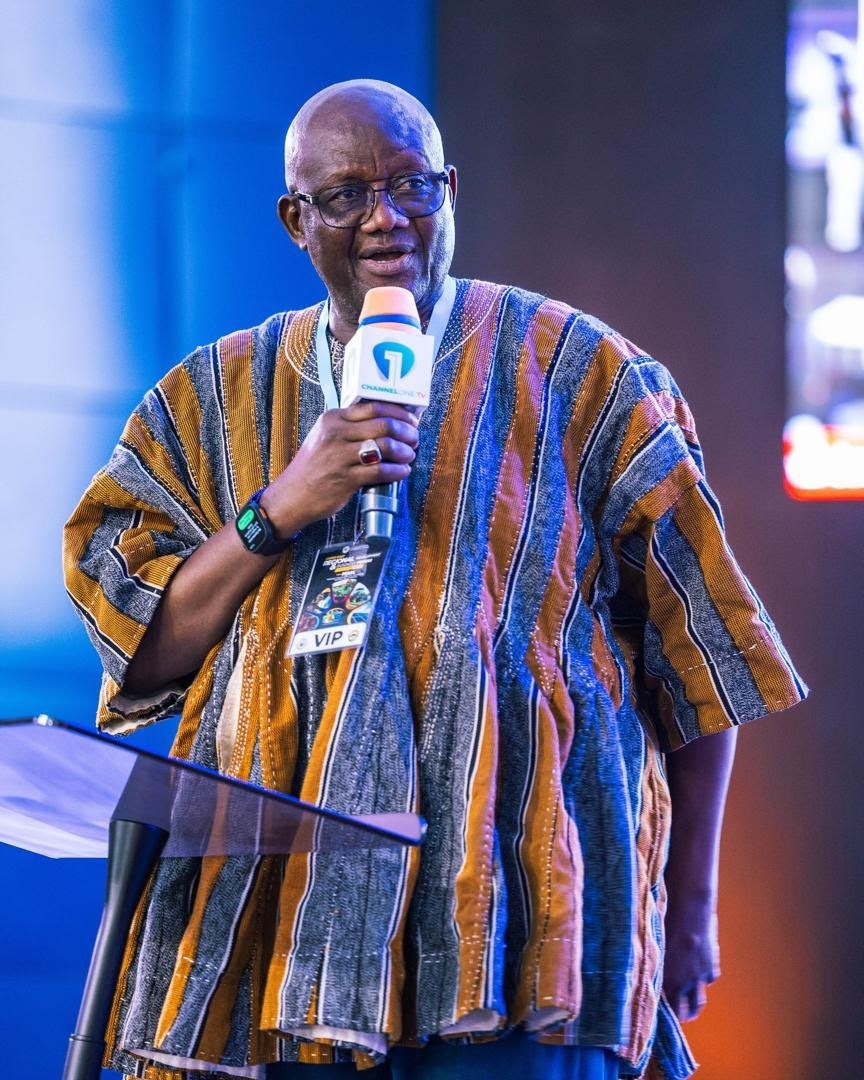
Renowned Ghanaian businessman, Awentami Paul Afoko, has called for the immediate construction of an international airport in the Upper East Region. He stated that the airport is crucial for unlocking the region's significant agricultural and export potential. Mr. Afoko made these remarks at the Regional Development Framework validation forum in Bolgatanga on July 1, 2026.
Mr. Afoko emphasized that the Upper East Region holds vast economic opportunities. These can be harnessed through strategic investments in agriculture, infrastructure, and international trade. He stressed the need for year-round production of high-value crops like vegetables, fruits, and flowers for export. An international airport would allow these perishable goods to reach European markets quicker than competitors, such as Kenyan flowers.
This proposal aligns with broader national efforts to diversify Ghana’s economy beyond traditional exports. The government has identified agriculture as a key sector for job creation and poverty reduction. Data from the Ghana Statistical Service shows that the agricultural sector contributes significantly to the national Gross Domestic Product (GDP). However, challenges in logistics and market access often hinder its full potential. Improving infrastructure like an airport could significantly enhance the value chain for agricultural produce.
Mr. Afoko provided a direct quote outlining his vision. He said, “We need an airport urgently so that flowers from the Upper East can reach Europe before Kenyan flowers do.” He further clarified that while entrepreneurs drive businesses, the government’s role is to create an enabling environment for them. This environment includes essential infrastructure for trade and commerce to flourish.
The push for an international airport in the Upper East Region carries significant implications for regional development and national trade. It could attract foreign investment into agribusiness, leading to job creation and improved livelihoods. Decision-makers will need to evaluate the economic viability and logistical challenges of such a large-scale infrastructure project. A successful implementation would strengthen trade ties with neighboring countries and position the Upper East as a major export hub in West Africa.
Furthermore, Mr. Afoko highlighted the importance of supporting infrastructure. He called for investments in irrigation projects, warehouses, cold-chain facilities, and packaging centres. These facilities are vital for improving the competitiveness of local products like shea butter, basket weaving, and textiles. Standardized production systems are also necessary to ensure product quality for international buyers. This holistic approach aims to create a robust export ecosystem in the region.
The region’s strategic location further strengthens the case for an international airport. Its proximity to neighboring countries offers opportunities to expand cross-border trade through stronger economic diplomacy. Mr. Afoko urged government officials, diplomats, and development partners to collaborate. Their collective efforts would strategically position the Upper East Region as a leading agricultural and export hub in the West African sub-region.