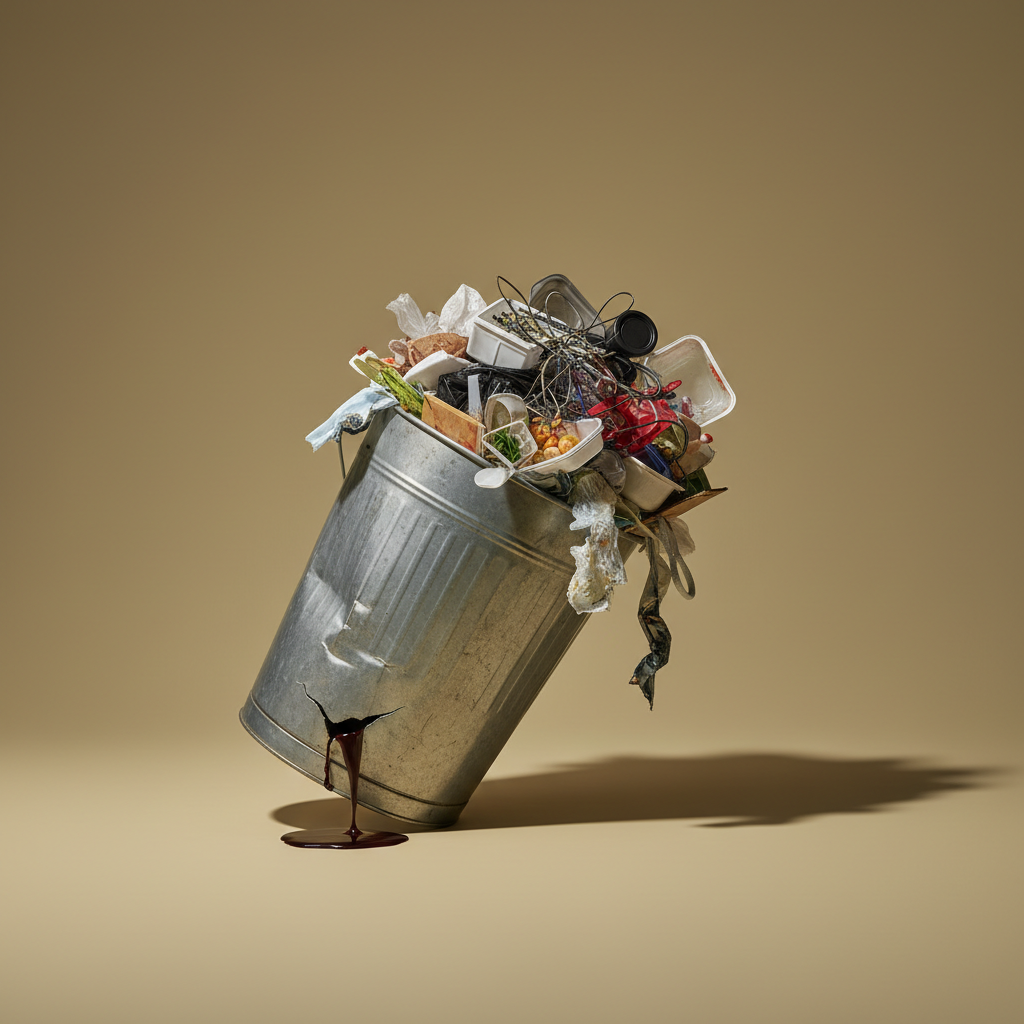
Stakeholders in Ghana’s sanitation sector are pressing for an urgent move away from relying solely on landfills for waste disposal. They want to see more sustainable and engineered systems for treating waste in the Greater Accra Metropolitan Area. Persistent funding gaps threaten the efforts to keep this vital region clean and safe for everyone.
This call came during a significant meeting on waste management at the Kempinski Hotel Gold Coast City in Accra on Monday, June 8, 2026. The event focused on finding solutions to the waste disposal crisis facing Greater Accra. Government officials, local leaders called Metropolitan, Municipal and District Chief Executives (MMDCEs), sanitation experts, and private companies attended. The Minister for Local Government, Chieftaincy and Religious Affairs, Ahmed Ibrahim, highlighted the challenges.
Minister Ibrahim explained that Ghana’s cities are growing very fast. More people are living in urban areas. This puts a lot of strain on the current systems that handle waste. He stated that Ghana produces about 4,400 tonnes of solid waste every single day. This amounts to approximately 1.6 million tonnes each year. Currently, about 80 per cent of this waste is collected. The Minister warned that this daily waste generation is expected to increase greatly in the next ten years. He stressed that investing in modern waste treatment facilities is now a top national priority. However, he noted that finding consistent money, or funding, to pay for these systems is the biggest challenge the sector faces.
The Minister acknowledged that waste management cannot be left entirely to private businesses to solve. He mentioned countries like South Korea as examples. He also shared that the government is talking with the Ministry of Finance. They aim to get special funding to pay what is owed to the private companies that manage waste. Minister Ibrahim also encouraged the MMDCEs to take more responsibility for how clean their areas are. He warned that even the best equipment cannot work well without enough money to run it. He cautioned that late payments could lead to serious problems for the environment and people’s health.
Dr Joseph Siaw Agyepong, who leads the Environmental Service Providers Association (ESPA) and the Jospong Group of Companies, also spoke. He called the current use of landfills an old method that has repeatedly failed. He mentioned that all 17 landfills built around Ghana, with help from other countries, were full within ten years. Dr Agyepong emphasized that modern systems should focus first on collecting waste. Then, they should manage transfer stations, recycling, and composting. Landfills should only be used as a last choice. Stakeholders also expressed worry about not collecting enough money and having weak pricing for waste services. Dr Agyepong pointed out that while other countries similar to Ghana’s income level charge between $15 and $20 for household waste collection, companies in Ghana often do not get paid fully.
Despite these difficulties, participants noted Ghana's growing success. The country is becoming a leader in environmental sanitation technology across Africa. Ghana now has more than 50 facilities for treating waste and composting. Ghanaian companies are even sharing their knowledge in countries like Kenya and Ethiopia. Dr Agyepong said this progress comes from continued investment in local skills. He shared that sanitation companies have trained hundreds of highly skilled professionals. Dr Michael Mensah, who is the Vice Dean of the MMDCEs, assured everyone that local governments are committed to better sanitation standards. Research presented showed that bad waste management costs Ghana over GHS 6.2 billion annually. This cost comes from damage caused by floods, money spent on health care, and harm to the environment.
The meeting ended with a shared agreement to improve teamwork. Collaboration between the government, local authorities, and private companies is key. They stressed that discussions about new rules must lead to real funding plans. These plans are needed to keep Accra and the wider Greater Accra area clean.