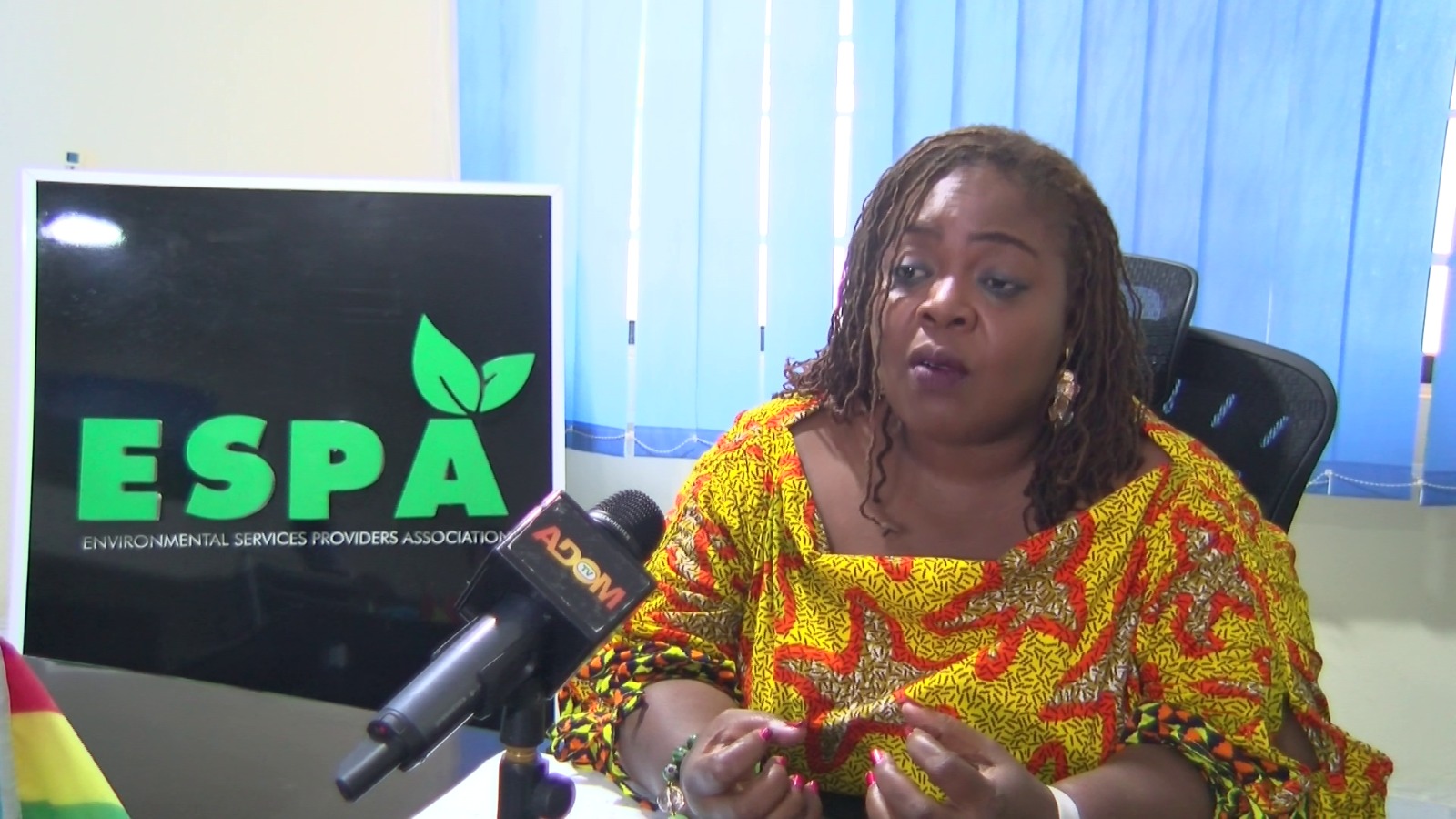
Accra currently has no permanent waste disposal sites, handling 4,400 tonnes of waste every day. The Environmental Service Providers Association (ESPA) reports this critical infrastructure deficit contributes to recurring floods.
This severe lack of disposal facilities forces waste trucks to journey to Nsawam, greatly reducing their efficiency. Trucks now complete only one trip daily instead of three, leading to significant waste accumulation across the city. ESPA blames this situation, alongside suspended public cleansing activities and stalled desilting, for worsening recent floods in Accra.
Ghana's rapid urbanisation and population growth place immense pressure on municipal services, especially waste management. An estimated 0.5 to 1 kilogram of waste per person is generated daily in Accra. The absence of proper disposal sites aligns with broader challenges in urban planning and infrastructure development seen across the country. This issue highlights the struggle to balance economic expansion with environmental sustainability.
Ama Ofori Antwi, Executive Secretary of ESPA, stated that emergency clean-up exercises are insufficient. She emphasised that "Waste management is a daily affair. It cannot be treated as an emergency only after floods occur." She highlighted that private sector involvement and sustained programmes are essential for effective waste management.
Addressing these structural deficiencies is crucial to prevent future flooding and public health crises. Decision-makers must focus on establishing engineered disposal sites within the Greater Accra Metropolitan Area. Improved road infrastructure to disposal facilities and regular drain desilting are also necessary. Markets will closely watch for government policy shifts and investment commitments in urban sanitation. There is a clear need for stronger public-private partnerships to build a resilient waste management system.
The current situation, where communities like Railway Quarters and Alajo are inundated with floodwaters carrying plastic bottles and household waste, poses serious health risks. Without a proactive approach, Accra will continue to face sanitation emergencies. The economic cost of repetitive flood damage and disease outbreaks will likely increase. Long-term investment in sustainable waste infrastructure is crucial for Accra's economic stability and public welfare. The government should prioritise dedicated funding for these initiatives. This would ensure both improved public health and sustained environmental quality.
The lack of disposal sites impacts waste collection frequency and operational costs for private companies. These increased costs can translate into higher service fees for residents and businesses. This situation also creates an informal waste economy, often leading to illegal dumping and further environmental degradation. Such practices undermine efforts to create a clean and healthy urban environment. The economic consequences of neglecting this sector are far-reaching. They affect productivity, tourism, and overall investor confidence in the city's future.