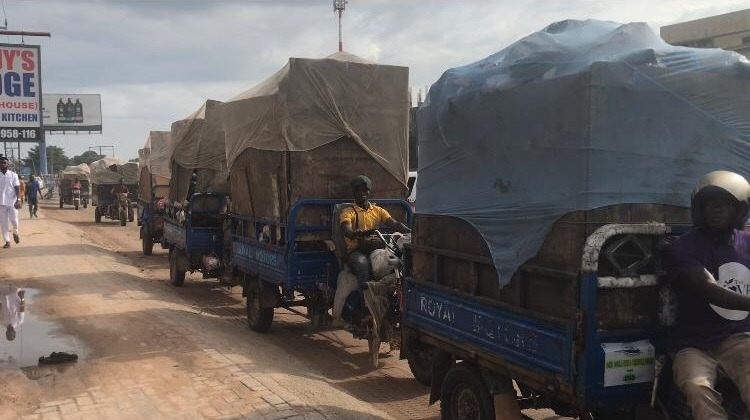
Accra generates solid waste equivalent to 4,400 fully loaded “Aboboyaa” tricycles every day. This significant volume is placing immense pressure on the capital city's waste management system. Waste management experts warn the city is increasingly struggling to handle this daily output.
This high volume of waste, estimated at 0.5 to 1 kilogram per resident inside the capital, is worsening current sanitation challenges. Inadequate infrastructure combined with the growing waste burden is increasing the risk of urban flooding. Recent floods in parts of Accra highlight the severity of these ongoing issues.
This situation fits into Ghana's broader economic and environmental challenges. Rapid urbanization and insufficient infrastructure development often strain public services. The lack of proper waste disposal directly impacts public health and economic productivity. Recurring floods also cause significant economic losses and displace residents.
Ama Ofori Antwi, the Executive Secretary of the Environmental Service Providers Association (ESPA), emphasized the problem. She stated, “Waste management is a daily responsibility. If we continue to wait until floods occur before taking action, we will keep facing the same problems every rainy season.” ESPA is a key association for companies providing environmental services.
The Greater Accra Metropolitan Area has no final waste disposal site. This forces waste collection companies to transport all refuse to Nsawam, a considerable distance away. Poor road conditions along this route reduce the trips refuse trucks can make. They now manage only one trip per day, down from three. This slowdown allows rubbish to accumulate in communities.
Furthermore, Ms. Antwi highlighted the suspension of public cleansing activities and the lack of regular drain desilting over the past two years. Desilting involves removing silt and debris from drains. These suspended activities have significantly contributed to Accra’s sanitation woes. Treating waste management as an emergency, rather than a continuous effort, is ineffective.
Moving forward, sustained public cleansing programs are crucial. Regular drain maintenance must resume to prevent blockages. There is also an urgent need for improved waste disposal infrastructure. Stronger collaboration between metropolitan assemblies and private waste management companies is essential. Only a coordinated public-private partnership, backed by long-term investment, can effectively manage Accra's waste. This will also reduce the city’s recurring flood risks.