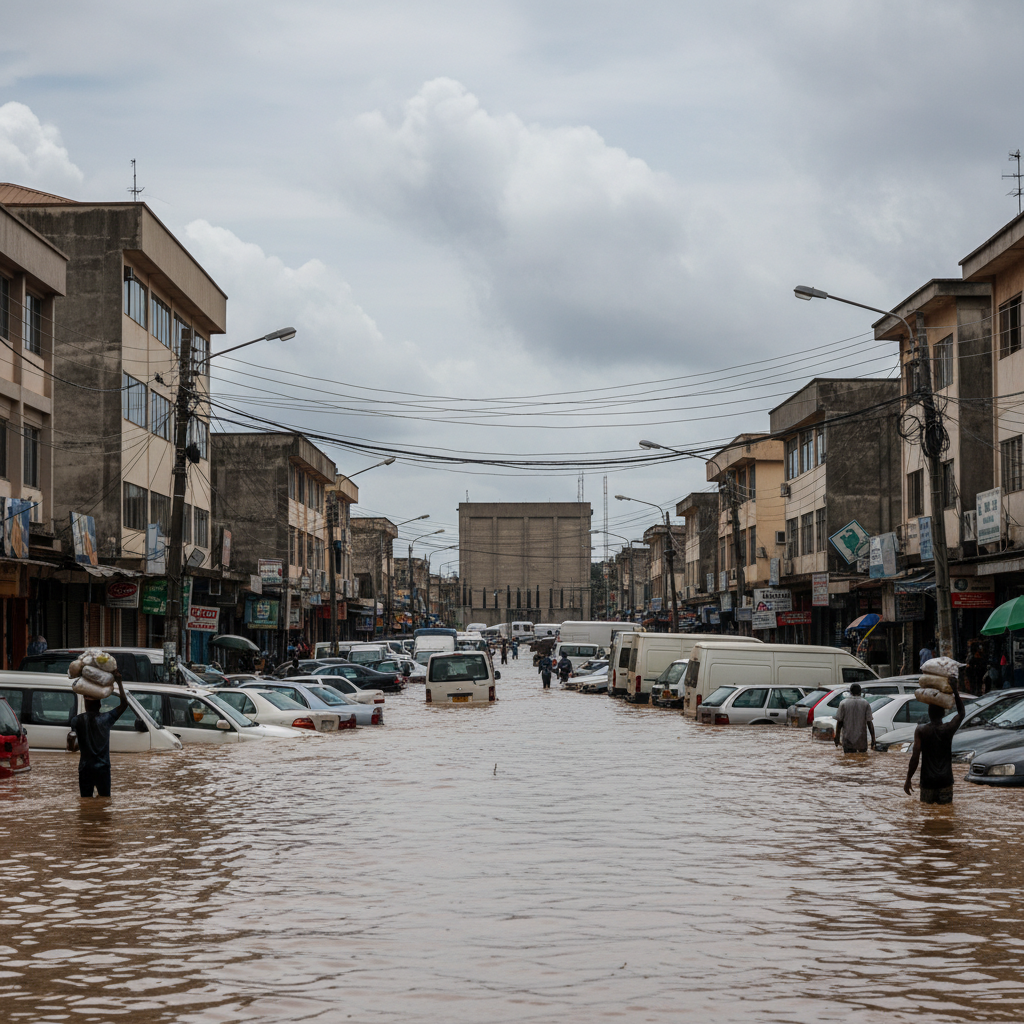
Torrential rainfall on Monday, June 30, 2026, paralysed business activity across extensive areas of Accra. The floods submerged major roads and severely disrupted electricity supply for many residents and businesses.
This widespread disruption followed hours of heavy rainfall, forcing some schools to close and trapping commuters. Worst-hit areas included Dzorwulu, Mallam, Weija, Shiashie, Teshie, Nungua, and Kasoa. The flooding also reached the road in front of Jubilee House, Ghana's seat of government, underlining the exceptional scale of the deluge.
Accra's persistent vulnerability to flooding during rainy seasons continues to pose significant economic challenges. These recurring events impact productivity, damage infrastructure, and necessitate substantial recovery efforts. The situation reflects broader issues of inadequate urban planning, insufficient drainage systems, and improper waste disposal in Ghana's rapidly growing capital.
Interior Minister Mohammed Muntaka Mubarak stated on Joy FM that the Ghana Meteorological Agency (GMet) forecast continuing heavy rains. "If you have not left home, please stay home," Minister Mubarak urged, emphasizing the dangerous conditions. He confirmed the deployment of Ghana Navy personnel for rescue efforts and advised residents in distress to contact the National Disaster Management Organisation (NADMO).
The floods compelled the Ghana Grid Company (GRIDCo) and Electricity Company of Ghana (ECG) to shut down the Mallam and Achimota primary substations. This precautionary measure aimed to protect lives, equipment, and operational personnel due to severe flooding around critical installations. The temporary power cuts underscore the direct impact of environmental hazards on essential national infrastructure.
Further outages could occur in other flood-affected areas if risks persist, according to GRIDCo and ECG. Engineers are continuously assessing the transmission and distribution network for potential damage. The call for residents to avoid flooded electrical installations highlights immediate safety concerns and the fragility of urban utilities under extreme weather conditions.
Sandra Ayebi, a Mallam resident, described the situation as unprecedented, with floodwaters entering homes in areas previously considered safe. She attributed the problem partly to poor drainage systems and improper waste disposal, which often clog gutters. Ms. Ayebi also pointed out the area's natural slope, which channels runoff into low-lying communities, exacerbating the impact.
The economic cost of such frequent flooding events in Accra is substantial, affecting commerce, transportation, and daily livelihoods. Businesses suffer lost trading hours, and infrastructure repair demands significant public funds. Addressing these perennial challenges requires long-term investment in robust infrastructure, stricter enforcement of building codes, and effective waste management strategies. Policymakers will face ongoing pressure to develop sustainable solutions to mitigate the economic and social impact of these increasingly frequent climate-related events.