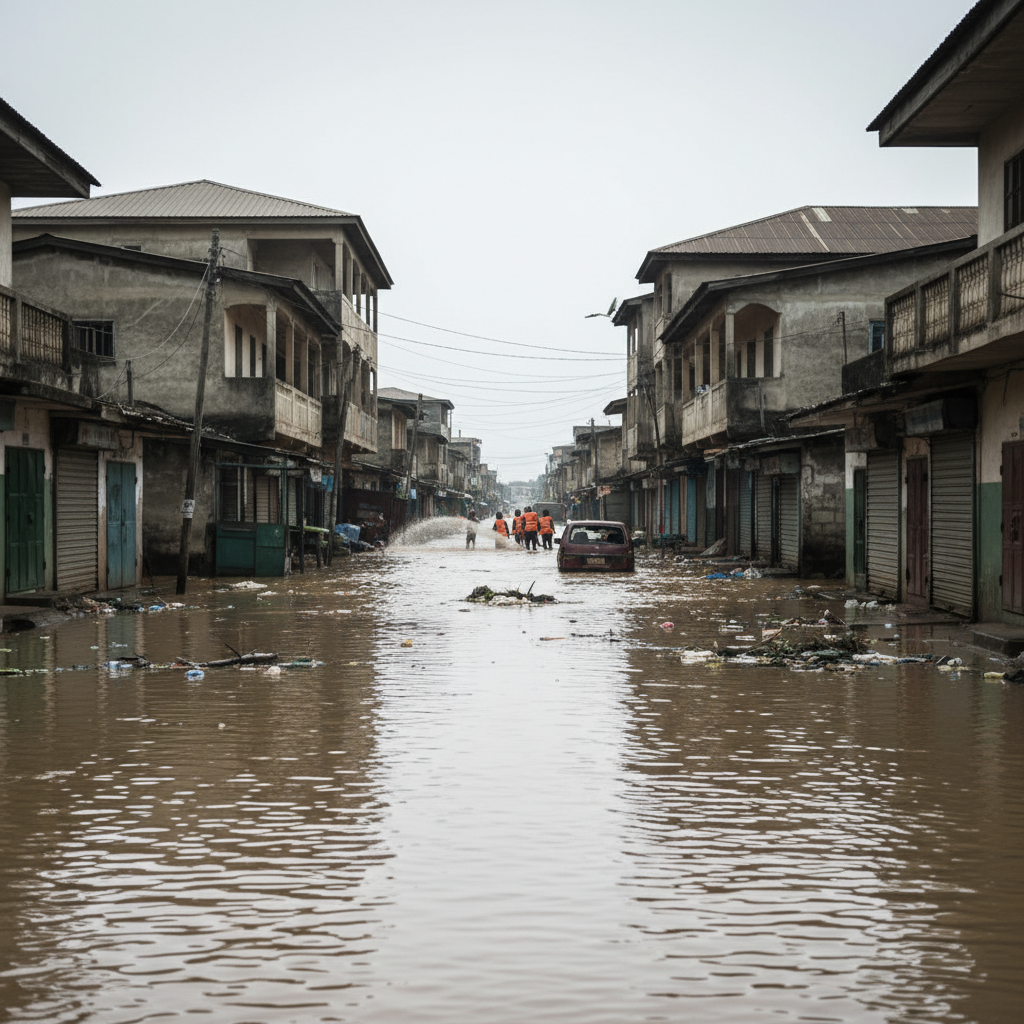
The death toll from devastating floods in the Greater Accra Region has increased to nine. The Ghana National Fire Service (GNFS) confirmed the figure as rescue and recovery operations continue across affected areas. This rise in casualties follows hours of torrential rainfall that submerged roads, homes, and businesses.
These floods, which began on Monday, have severely impacted key economic hubs. They paralyzed transport services and commercial activities in areas like Circle, Kaneshie, and Alajo. Thousands of commuters became stranded, and many motorists abandoned their vehicles in the floodwaters. The widespread disruption highlights the vulnerability of Accra's infrastructure to heavy rains.
Accra's persistent flooding challenges have significant economic implications. Repeated disruptions to transport and commerce lead to substantial financial losses for businesses and individuals. Food security and local supply chains can also be negatively affected. Data from previous flood events show that property damage and infrastructure repair costs often run into millions of Ghana cedis. These events divert public funds from other development projects. The latest floods underscore the urgency of addressing urban planning deficiencies and drainage challenges in a city critical to Ghana's GHS 1.1 trillion economy.
Alex King Nartey, from the Public Relations Department of the Ghana National Fire Service, confirmed the nine flood-related deaths. He stated, "The confirmable or confirmed figures that I have, the only case is in the case of about nine people." He added that the Service only verifies official reports from officers on the ground, despite hearing about other potential casualties. Other emergency agencies, including the National Disaster Management Organisation (NADMO) and the Ghana Police Service, are also involved in rescue efforts.
The immediate implications involve continued search and rescue efforts, focusing on assisting stranded residents and assessing the full extent of damage. In the longer term, the government will likely face renewed pressure to implement sustainable flood mitigation solutions. These solutions include upgrading drainage infrastructure, enforcing building regulations, and improving waste management practices. Businesses and market participants will closely watch the city's recovery and the government's response to prevent future economic disruptions from similar weather events.
The University of Ghana suspended lectures, and the Ghana School of Law postponed examinations due to safety concerns. This suspension further highlights the broad impact these floods have on daily life and economic activity. Such interruptions affect productivity and human capital development. The repeated nature of these disasters calls for a coordinated and long-term national strategy for urban resilience.