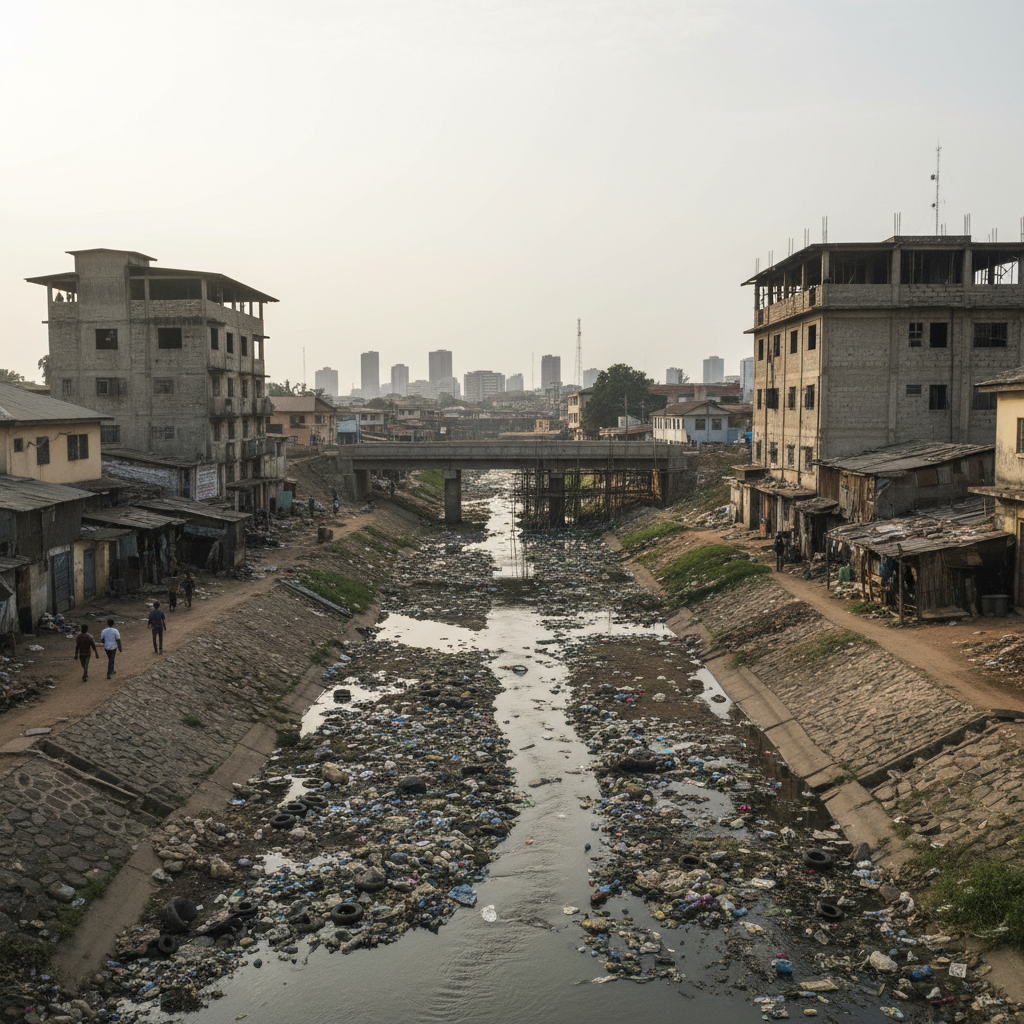
Edward Debrah, a health and safety professional, states that preventing floods in Accra requires more than addressing heavy rainfall. He emphasizes the critical roles of good planning, effective waste management, and strict law enforcement as immediate necessities.
Debrah's assessment follows recent flooding incidents in the capital, highlighting systemic issues contributing to the recurring disaster. He stresses that these factors, rather than just weather patterns, are primary drivers of flood severity. Decision-makers allowing developments in flood-prone areas contribute significantly to public risk.
This renewed focus on flood mitigation aligns with broader concerns about urban development and climate change impacts across Ghana. Accra, a rapidly growing city, faces increased pressure on its infrastructure and natural drainage systems. Previous reports, like the one from MyJoyOnline on June 29, highlighted how prime real estate can become a prime flood risk. The lack of accountability for stalled GHS 350 million flood control projects, as urged by Asenso-Boakye, demonstrates historical challenges in implementation.
“Hold decision-makers accountable for approving developments in flood-prone or unauthorised areas,” Debrah advises. He further suggests that improving waste management by placing accessible bins and ensuring regular emptying will prevent drain blockages. Routine desilting of drains and consistent enforcement of planning and environmental laws are also crucial steps. This comprehensive approach contrasts with reactive measures often taken after flood events.
The implications of persistent flooding extend beyond immediate damage, impacting economic activity and public health. Damaged infrastructure disrupts trade and transport, while stagnant water poses health risks from waterborne diseases. The National Disaster Management Organisation (NADMO) recently registered 1,401 victims after the Odawna Rubber Market fire, but flood victims also face ongoing challenges. Ensuring proper urban planning and waste infrastructure is vital for Ghana’s sustained economic growth and the protection of its citizens.
Furthermore, Debrah calls for nationwide flood and waste management campaigns in Ghana’s major languages. Educating the public on responsible waste disposal and flood preparedness constitutes a shared responsibility. This public engagement component aims to foster a culture of collective action against environmental degradation. Such efforts complement governmental initiatives and reduce the burden on relief agencies.
The Accra City Authority and related agencies will need to review their current strategies for urban planning and waste management. Investor confidence and local business operations depend heavily on the city's resilience to environmental hazards. Addressing these structural issues will create a more stable and predictable environment for economic development and civic life. The ongoing delays in projects like GARID, attributed to fiscal constraints, illustrate the financial challenges involved.