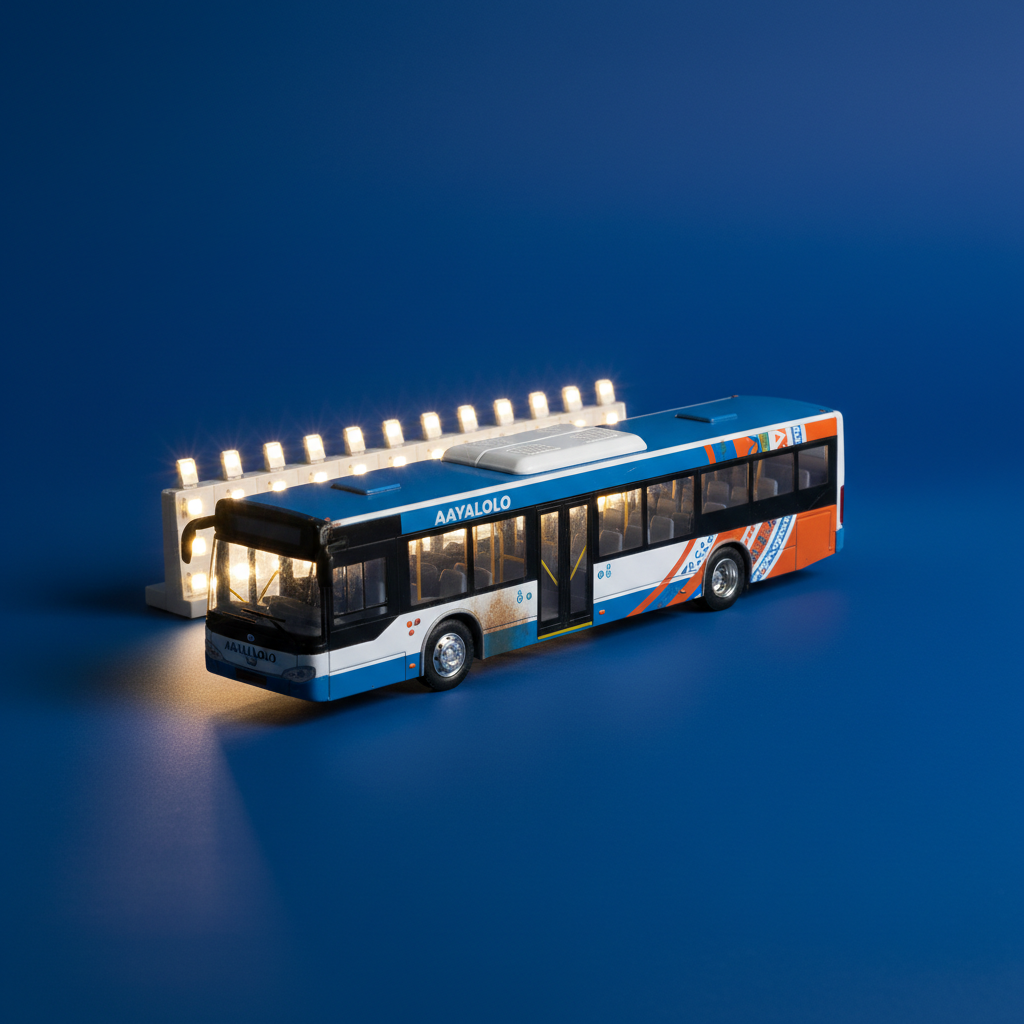
The Greater Accra Passenger Transport Executive (GAPTE) has deployed 48 previously grounded Aayalolo buses. This action brings the total number of operational Aayalolo buses in Accra to 128. The move directly addresses the persistent traffic congestion plaguing the capital city.
GAPTE repaired these 48 buses, adding them to the 80 operational buses already in service. This significant fleet expansion aims to improve public transport services across major routes in Accra. The initiative seeks to enhance commuter mobility and reduce travel times for residents.
This development fits into Ghana's broader economic narrative of improving urban infrastructure. Efficient public transport systems are crucial for economic productivity and growth. Accra's traffic congestion costs the economy millions of GHS annually in lost productivity and fuel consumption. Prior efforts, like the proposed peak-hour dedicated lanes, also highlight the urgency of this issue.
Awudu Dawuda, the GAPTE Managing Director, confirmed the deployment during a visit by the Minister for Local Government, Chieftaincy and Religious Affairs, Mahama Ayariga. Mr. Dawuda stated that increasing operational buses was a key priority for GAPTE. He emphasized the organization's commitment to enhancing mobility and easing congestion in the Greater Accra Region.
The increased bus fleet is expected to reduce reliance on private vehicles, potentially lowering fuel imports over time. It also offers a more affordable transport option for many citizens, impacting household budgets positively. Decision-makers will closely monitor the impact on traffic flow and commuter satisfaction. Further investments in public transport infrastructure remain critical for sustainable urban development.
This expansion could also influence urban planning and development strategies in Accra. Improved public transport links can encourage residential and commercial growth along bus routes. The government's continued focus on such initiatives signals a commitment to long-term economic stability. This includes reducing the environmental impact of urban transport through more efficient systems. The success of this deployment will likely inform future public transport investments across Ghana's growing cities.
The initiative also underscores the importance of maintaining existing public assets. Repairing grounded buses is often more cost-effective than purchasing new ones. This approach demonstrates fiscal prudence in managing public resources. It also ensures that public funds are utilized efficiently to deliver essential services. The increased capacity should provide immediate relief to commuters on busy routes.
Ghana's economic resilience depends partly on the efficiency of its urban centers. Reducing traffic bottlenecks directly supports business operations and labor mobility. This Aayalolo expansion is a tangible step towards achieving that efficiency. It also sets a precedent for how public transport challenges can be addressed through strategic asset management.