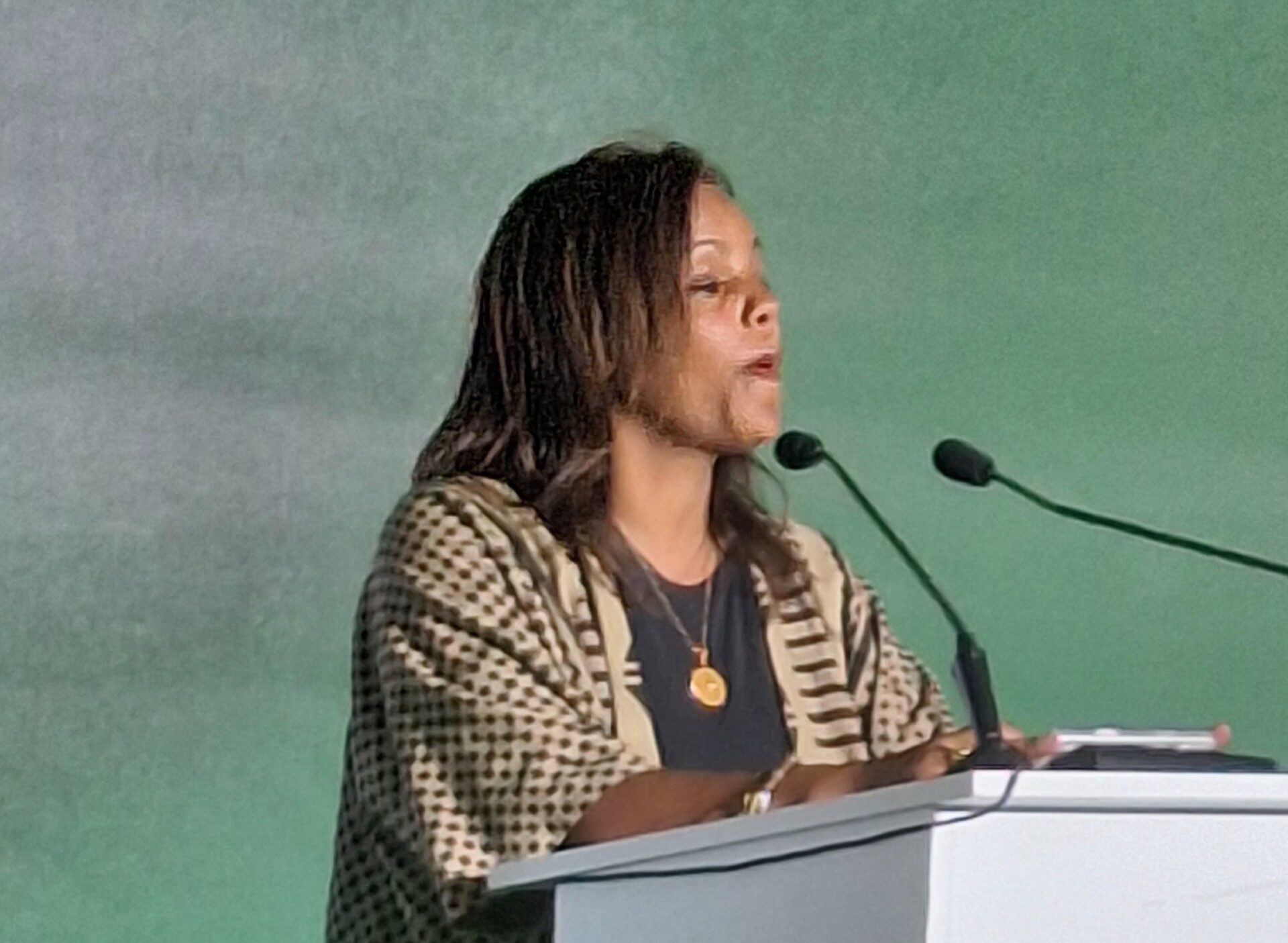
The UN Economic Commission for Africa (UNECA) has called on African governments to fundamentally change their energy planning strategies. Dr. Marit Kitaw, UNECA's Director of Economic Affairs, stated that Africa must plan energy for production, not just consumption, to achieve industrialisation. This critical message was delivered at the 2026 Future of Energy Conference (FEC) in Accra.
Dr. Kitaw highlighted Africa's significant role in the global energy transition, possessing 77% of the world's cobalt and 65% of manganese. Despite these vast resources and abundant solar, wind, and hydro potential, 600 million people in Africa lack electricity. This paradox means power is unavailable at the required scale for industrial development, hindering economic growth across the continent.
This challenge fits into Ghana's broader economic narrative of leveraging natural resources for sustainable development. Ghana, like many African nations, seeks to add value to its raw materials and create jobs. The call for integrated energy and industrial planning directly supports Ghana's ambitions for economic diversification and increased local content in its mining sector. Previous efforts, like the 2009 Africa Mining Vision, also advocated for similar principles of resource-led structural transformation.
Dr. Marit Kitaw stated, "Africa must stop planning energy only for consumption and begin planning energy for production." She stressed that while universal energy access is a moral imperative, access alone will not drive industrial transformation. What Africa needs is power that is affordable, reliable, scalable, and available for productive use, she added.
The implications are profound for policymakers and investors. Governments must now align energy plans directly with mineral strategies, industrial policies, trade frameworks, and skills development. This integrated approach will foster regional integration through initiatives like the Africa Continental Free Trade Area (AfCFTA), creating a single market of 1.4 billion people. Regional power pools and mineral corridors can attract investments and support competitive African industries, driving economic growth and job creation.
Dr. Kitaw explained that energy planning and industrial policy developed in separate rooms remain mere aspirations. She praised Ghana for beginning these integrated conversations. The continent's abundant critical minerals, including 25% of bauxite and 17% of copper, offer a unique opportunity. However, these resources must be strategically linked to energy provision for processing and manufacturing.
The Africa Green Minerals Strategy, according to Dr. Kitaw, is more than just a mining policy. It serves as an industrial strategy, an energy security strategy, and an instrument for African bargaining power. This strategy aims to advance value addition, regional value chains, and technological capabilities within Africa. It moves beyond simply exporting raw materials to building robust, integrated industries.
Regional integration is another key imperative. Dr. Kitaw argued that not every African country must build every segment of every value chain. Instead, every country should participate, ensuring fairness and equity. The AfCFTA provides the framework to transform fragmented national markets into a powerful economic bloc. This scale attracts investments, which are crucial for competitive African industries.
Policy coherence and capable institutions are essential for successful implementation. Dr. Kitaw observed that energy, mining, industrial, and trade policies are often developed in isolation across different ministries. This fragmentation leads to conflicting signals and inefficient investments. The challenge now lies in the discipline of implementing these integrated strategies effectively.
At the global level, Dr. Kitaw referenced the United Nations Secretary-General's Panel on Critical Energy Transition Minerals. She highlighted its actionable recommendations, including a high-level expert advisory mechanism for value addition and benefit sharing. This ensures that the global energy transition does not reproduce inequality or dependency, promoting just and equitable supply chains. The 2026 Future of Energy Conference continues to explore how Africa can transform its critical minerals from raw exports into drivers of industrialisation and jobs.