Ghana's Tema Oil Refinery (TOR) is undergoing a significant revival, targeting a monthly production of one million barrels of refined petroleum products. This ambitious goal aims to reduce the nation's dependence on imported fuel and potentially lower domestic prices.
The refinery, which previously operated largely as a tank farm due to severe operational difficulties, has resumed active refining. This turnaround follows a direct challenge from President John Dramani Mahama to increase production. The President's directive underscores the strategic importance of local refining capacity for Ghana's energy security.
This development fits into Ghana's broader economic strategy to conserve foreign exchange and stabilize the local currency. Reducing petroleum imports, which constitute a significant portion of the country's import bill, can ease pressure on the GHS. Data consistently shows that high import volumes for essential commodities like fuel strain national reserves.
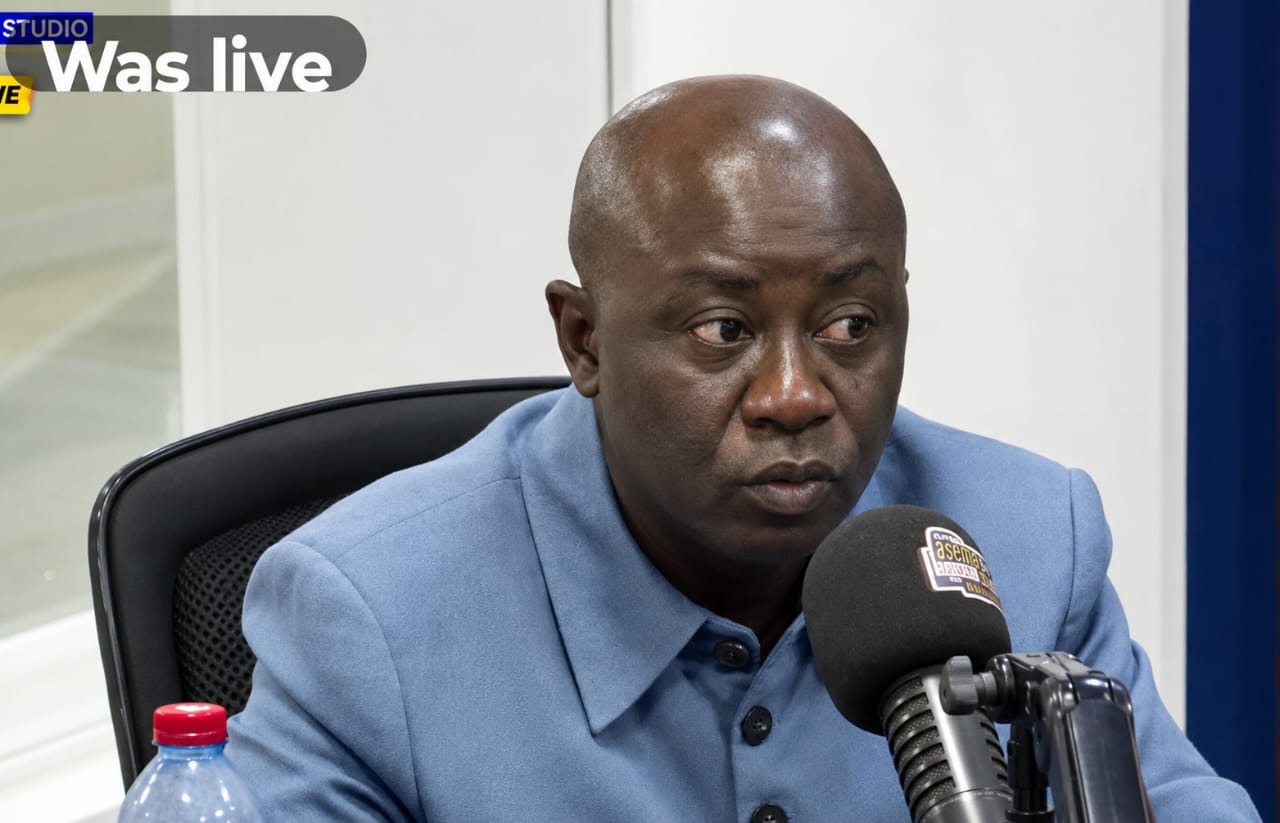
Emmanuel Duah, commenting on the refinery's progress, stated, "If we are able to produce one million barrels every month, fuel prices would go down locally and reduce imports." He highlighted the positive impact on both consumers and the national economy. Duah also praised TOR's Managing Director, Edmond Kombat, for his leadership during challenging times.
The revival's implications are far-reaching, promising enhanced energy security and potential cost savings for consumers. Decision-makers and financial markets will closely monitor TOR's sustained operational capacity and its impact on Ghana's import bill. Continued government financial and technical support will be crucial for the refinery's long-term success.
Achieving the one million barrels per month target would significantly bolster Ghana's domestic fuel supply chain. This local production reduces the country's exposure to volatile international oil prices and currency fluctuations. It also creates a more stable environment for businesses and transport operators.
The renewed activity at TOR is also boosting confidence among its workforce and stakeholders. Years of uncertainty about the refinery's future had impacted morale. A stable and productive TOR can provide secure employment and contribute to local economic development in Tema.
Sustained investment and strategic support are vital to prevent a return to past operational challenges. The government's commitment to providing necessary resources will determine TOR's ability to maintain its production targets. This support ensures the refinery evolves into a robust and sustainable facility.
The move aligns with national aspirations for greater self-sufficiency in critical sectors. Reducing reliance on imported refined products strengthens Ghana's economic sovereignty. It also frees up foreign exchange for other developmental projects and essential imports.
Experts suggest that a fully operational TOR could save Ghana hundreds of millions of US dollars annually in import costs. These savings could then be channeled into infrastructure, healthcare, or education. The long-term economic benefits extend beyond just fuel prices.
The success of TOR's revival will be a key indicator of Ghana's industrial policy effectiveness. It demonstrates the potential for state-owned enterprises to contribute significantly to national development. This requires strong leadership, consistent investment, and clear strategic direction.
The government's focus on local production aligns with global trends towards strengthening domestic supply chains. This strategy aims to build resilience against external shocks and ensure national stability. TOR's success could serve as a model for other strategic industries in Ghana.