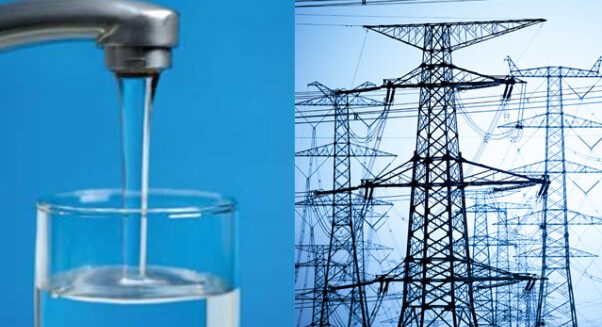
Ghana's Public Utilities Regulatory Commission (PURC) has indicated that reversing the recently implemented utility tariff adjustments for the third quarter of 2026 will be extremely difficult. These tariff hikes, which took effect on July 1, 2026, increased electricity tariffs by 3.49% and water tariffs by 0.85%.
The utility regulator stated these adjustments are essential for maintaining a stable power supply and addressing the escalating costs of financing fuel for electricity generation. The tariff review also aims to ensure the financial health of power producers and distribution companies. Without these adjustments, the power sector faces significant financial shocks.
This development comes as Ghana continues to navigate complex economic challenges, including inflation and the depreciation of the Ghana cedi against major foreign currencies. The PURC’s decision highlights the ongoing struggle to balance consumer affordability with the operational sustainability of critical public services. Previous data from the Bank of Ghana has shown persistent economic pressures, even as non-performing loans decline in the banking sector.
Dr. Shafic Suleman, the Executive Secretary of the PURC, confirmed the difficulty in reversing the tariffs in an interview. He stated the power sector carries substantial debt, necessitating innovative solutions like the proposed tariff review. Dr. Suleman also noted the tariff review incorporated forward-looking indicators such as inflation and the cedi's performance.
The PURC's stance implies that consumers and businesses should brace for these higher utility costs to persist for the foreseeable future. Decision-makers in industries and households will need to adjust budgeting to accommodate the increased expenditure. The move also signals the government's commitment to ensuring the long-term viability of the utility sector, potentially at the cost of immediate consumer relief. Future energy policy and market responses will likely be shaped by these sustained tariff levels.
The Commission detailed that the adjustments are part of its quarterly tariff review mechanism. This mechanism accounts for changes in key operational factors affecting utility providers. These factors include the exchange rate between the Ghana cedi and the US dollar, overall inflation, the electricity generation mix, and the cost of fuel, especially natural gas used in thermal power production.
The PURC aims to preserve the real value of tariffs and support the delivery of reliable services through these reviews. Dr. Suleman stressed that utility companies often do not break even even with current tariff levels, requiring government intervention monthly. He also explained that the tariff-setting model now includes forward-looking indicators to anticipate and mitigate the impact of external events, such as exchange rate fluctuations.