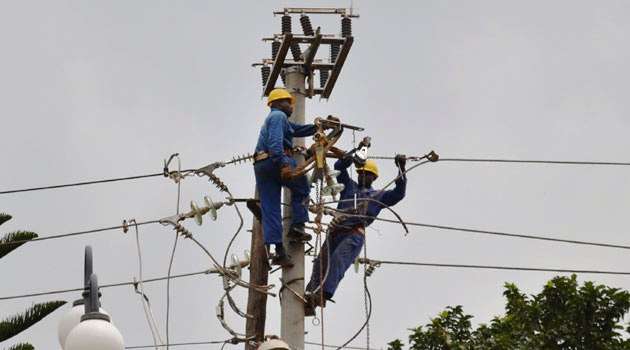
The Public Utilities Regulatory Commission (PURC) has convened emergency talks to address severe low voltage issues in Ghana's Ashanti Region. These power fluctuations directly disrupt water supply, affecting thousands of residents and businesses.
This critical intervention follows widespread complaints about inconsistent water pressure and outages. The low voltage prevents water pumps from operating effectively, leading to significant service interruptions across the region. The Ashanti Region's economy relies heavily on reliable utility services, making this disruption particularly damaging.
This situation highlights Ghana's ongoing challenges with utility infrastructure and its impact on economic stability. Reliable power and water supply are fundamental for industrial operations, commercial activities, and public health. Previous data indicates that power instability, often referred to as 'dumsor,' has historically cost the Ghanaian economy billions of cedis in lost productivity. For example, a 2015 report estimated economic losses from power outages at GHS 2.2 billion annually. The current issue in Ashanti mirrors these broader infrastructure vulnerabilities.
The Kumasi Mail reported that the PURC is actively mediating between power and water utility providers. This aims to find an immediate solution to the voltage problem. The commission's role is to ensure consumers receive quality utility services. It also protects their interests while ensuring utility providers operate efficiently.
The outcome of these emergency talks will significantly influence the daily lives of Ashanti Region residents. Businesses, particularly those in manufacturing and hospitality, will closely monitor developments. Continued disruptions could lead to further economic losses and reduced investor confidence in the region. Decision-makers must prioritize long-term infrastructure investments to prevent similar crises. The government's commitment to improving utility reliability will be under scrutiny. This incident underscores the urgent need for coordinated efforts between utility companies and regulators. Addressing these systemic issues is crucial for Ghana's economic growth and social well-being. The Ashanti Region alone contributes a substantial portion to Ghana's Gross Domestic Product, making its stability vital. The impact on small and medium-sized enterprises (SMEs) is particularly concerning. Many SMEs cannot afford alternative power or water solutions. This directly affects their operational costs and profitability. The PURC's swift action is a positive step, but sustained solutions require broader policy interventions. These interventions must focus on upgrading aging infrastructure and ensuring consistent power distribution. The long-term economic health of the Ashanti Region depends on these critical improvements. The commission's mandate includes setting tariffs and monitoring service quality. This gives it significant leverage in resolving such disputes. The discussions will likely involve technical assessments of the power grid. They will also explore ways to stabilize voltage levels for water pumping stations. This incident serves as a stark reminder of the interconnectedness of essential services. A failure in one sector, like power, quickly cascades into another, like water supply. This ripple effect can have profound economic and social consequences. The PURC's engagement is a necessary step towards mitigating these impacts. However, a comprehensive national strategy for infrastructure resilience remains paramount. The government has previously invested in power sector reforms. Yet, localized issues like this demonstrate persistent challenges. The Ashanti Region's population, estimated at over 5 million people, makes this a high-priority issue. Ensuring consistent water supply is not just an economic concern; it is a public health imperative. The talks must yield concrete, actionable plans to restore reliable service. This will safeguard the region's economic output and public welfare. The resolution will set a precedent for how similar utility crises are managed nationwide. It emphasizes the need for proactive maintenance and investment in critical national infrastructure.