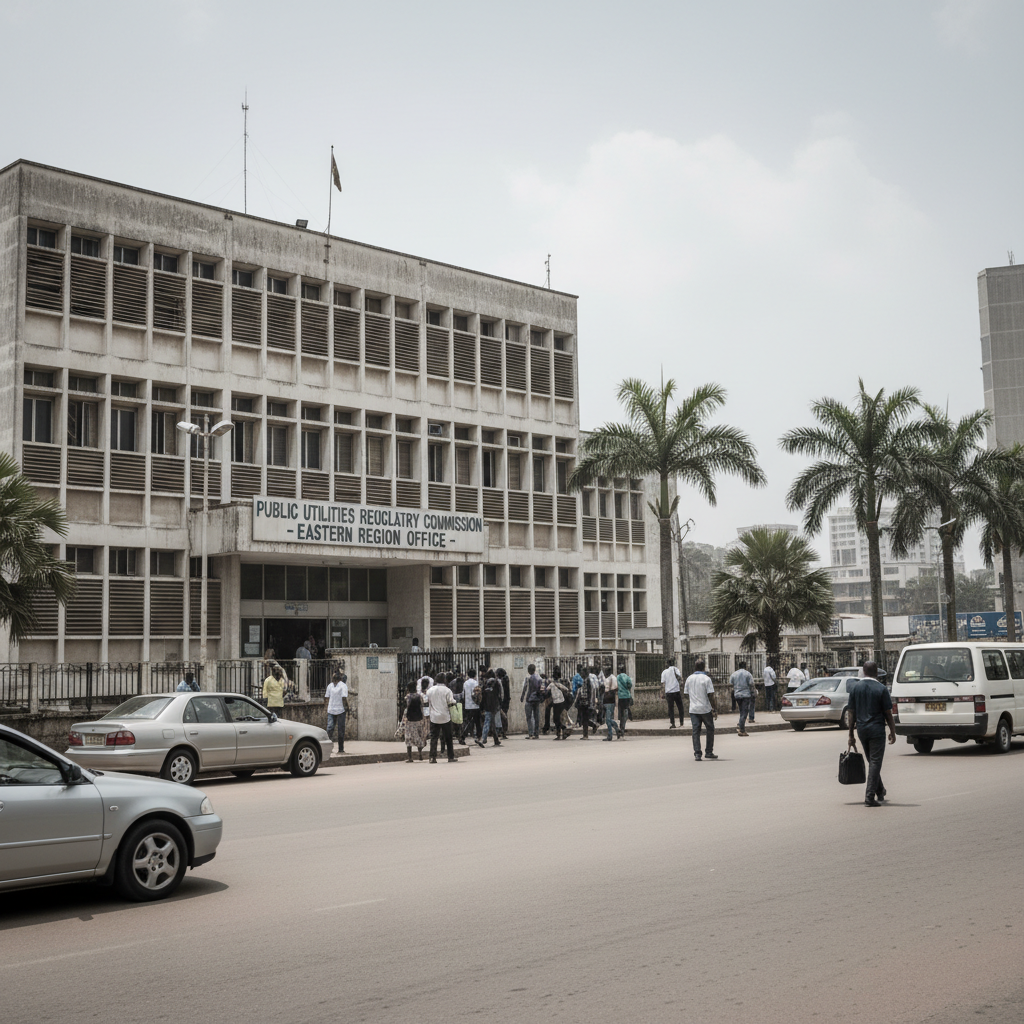
The Public Utilities Regulatory Commission (PURC) in Ghana's Eastern Region resolved 803 out of 818 complaints in the first half of the year. This achievement marks a 98.2% resolution rate for utility-related issues in the region.
These complaints primarily targeted the Electricity Company of Ghana (ECG) and Ghana Water Limited (GWL). Issues included poor service quality, billing discrepancies, and metering problems. PURC's intervention led to the recovery of GHS 21,294.64 in outstanding utility bills from five customers. The Commission also facilitated infrastructure enhancements.
This high resolution rate showcases the PURC's active role in consumer protection and utility service oversight. Effective complaint resolution is crucial for maintaining public trust in essential service providers. It also contributes to economic stability by ensuring fair practices in the utility sector. The PURC's work aligns with broader government efforts to improve infrastructure and consumer welfare across Ghana.
Miss Kesewaa Appenteng-Addo, the Eastern Regional Manager of PURC, provided these details. She noted that ECG accounted for 716 complaints, representing 87.5% of the total. Ghana Water Limited received 89 complaints, making up 10.9% of the cases. Utility providers filed the remaining 13 complaints against consumers.
The bulk of the complaints, 84.8%, related to the quality of service. These included frequent power outages, voltage fluctuations, and water supply interruptions. The PURC's efforts addressed significant disruptions such as replacing seven electricity poles and two transformers. This infrastructural upgrade cost GHS 229,139.45. Additionally, PURC helped restore water supply to residents of Agavenya after road construction disrupted it. This direct intervention highlights the tangible benefits of the Commission's work for local communities.
Looking ahead, the PURC's sustained efforts will be vital for Ghana's economic development. Reliable utility services are fundamental for businesses and households. Continuous monitoring and swift complaint resolution will help prevent larger economic disruptions from poor service. Decision-makers will likely observe these resolution rates for indicators of utility sector performance. This performance affects foreign investment and overall economic productivity.
The Commission also undertook monitoring exercises in 45 communities and 40 small and medium-sized enterprises. These activities covered districts like Akim Oda, Kade, and Nkawkaw. To enhance accessibility, PURC organized nine complaint clinics in communities such as Suhum New Town, engaging 399 participants. These clinics received 60 complaints, with estimated billing and non-delivery of bills being common concerns. The Consumer Service Committees in Donkorkrom and Maame Krobo further engaged 382 participants in 12 communities, gathering 28 complaints. These outreach efforts directly improve citizen engagement and understanding of their rights.