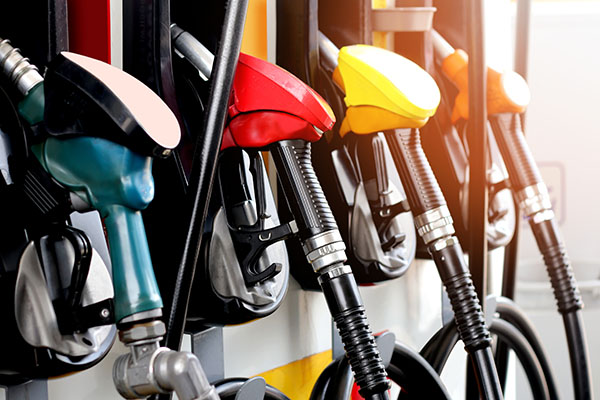
Petrol and diesel prices are increasing at Ghanaian filling stations from today, Tuesday, September 1, 2026. This rise follows a significant surge in international prices for crude oil and refined petroleum products. The Chamber of Oil Marketing Companies (COMAC) confirmed these projections for the current pricing window.
COMAC's outlook for September 1 to 16 indicates that petrol prices could rise by 4.80% to approximately GHS 16.39 per litre. Diesel is also expected to increase by 2.10%, reaching about GHS 17.60 per litre. Conversely, Liquefied Petroleum Gas (LPG) prices are projected to decline by 0.93%, with a kilogramme selling at around GHS 13.73.
This upward trend in fuel costs comes despite a recent appreciation of the Ghana cedi against the US dollar. The cedi gained 3.64%, trading at an average of GHS 11.3697 to the US dollar between August 12 and 27. This marked the cedi's strongest level since June 2026, reversing three consecutive pricing windows of depreciation. However, these local currency gains were insufficient to offset the global price increases.
COMAC attributed the expected price hikes primarily to higher crude oil prices on the international market. Average crude oil prices increased by 1.75%, moving from US$90.53 per barrel to US$92.11 per barrel. Prices of all major refined petroleum products also saw increases, with petrol recording the highest rise at 8.86%, followed by diesel at 5.51%, and LPG at 3.31%.
The National Petroleum Authority (NPA) has also adjusted its price floors for the September 1 to 16 pricing window. The price floor is the minimum price at which fuel can be sold. For petrol, the floor increased by 4.38% from GHS 13.92 to GHS 14.53 per litre. Diesel's price floor rose by 2.69% from GHS 15.19 to GHS 15.60 per litre. The LPG price floor, however, decreased from GHS 10.98 to GHS 10.85 per kilogramme.
The NPA mandates Oil Marketing Companies (OMCs) and LPG Marketing Companies to adhere to these price floors. These floors do not represent the final pump prices. Marketers and dealers add their margins and other components based on petroleum pricing guidelines. With over 200 OMCs operating in Ghana, actual pump prices can vary between stations due to market conditions and competition.
This latest increase in fuel prices will likely place additional financial pressure on Ghanaian motorists and businesses. Consumers are beginning the new pricing window with higher costs for essential transportation and operational needs. Businesses relying on fuel for logistics and production will face increased expenses, potentially leading to higher prices for goods and services. This could impact inflation and consumer spending across the economy. Policymakers will monitor these developments closely, as fuel prices are a key determinant of economic stability and public sentiment. The government's fiscal strategy and any potential interventions to cushion the impact will be critical in the coming weeks.