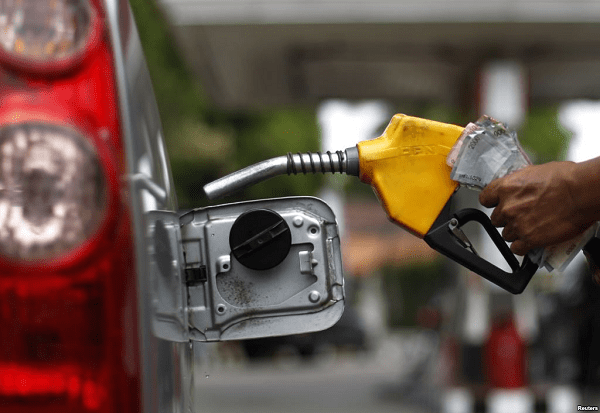
Ghanaian motorists will experience contrasting fuel price movements in the second pricing window of August. Petrol prices are projected to decline by 2.90%, offering some relief at the pump. Conversely, diesel prices are expected to increase by 1.39%, adding pressure on consumers and businesses.
This mixed outlook stems from varying international refined product prices, despite a recent strengthening of the Ghana cedi. Data from the Chamber of Oil Marketing Companies (COMAC) indicates petrol could sell at approximately GHS 15.82 per litre from August 16. Diesel, however, is forecast to reach about GHS 17.73 per litre. Liquefied Petroleum Gas (LPG) is also set to become cheaper, with a prospective retail price of GHS 16.21 per kilogramme after a GHS 0.93 reduction.
These price shifts highlight the complex interplay between global crude oil prices, refined product markets, and Ghana's exchange rate. Average crude oil prices rose 2.02% to US$90.41 per barrel by mid-August, influenced by geopolitical risks. Yet, individual refined products moved differently. International diesel prices saw the strongest increase at 2.86%, while petrol and LPG declined by 5.46% and 2.54% respectively. This explains why higher crude prices do not uniformly translate into higher retail prices for all products in Ghana.
The National Petroleum Authority (NPA) has taken steps to influence the market. The NPA reduced its statutory price floors across all three major petroleum products for this pricing window. The petrol price floor dropped from GHS 14.53 to GHS 13.92 per litre, a 4.20% reduction. The diesel floor saw a significant cut from GHS 16.97 to GHS 15.19, a 10.49% decrease. The LPG price floor also fell from GHS 11.06 to GHS 10.98. These reductions aim to create more room for competition among retailers, potentially mitigating price increases.
The cedi's performance also plays a critical role in domestic fuel prices. The currency depreciated 1.20% to GHS 11.7995 per US dollar on bank averages between July 27 and August 11. However, it subsequently strengthened, with the Bank of Ghana rate quoted at GHS 10.9855 on August 14. A sustained appreciation would lower the local-currency cost of importing petroleum products. This could provide further relief in future pricing windows, especially if international refined product prices stabilize.
The outlook for diesel is further complicated by government and industry interventions. These measures intend to moderate the full transmission of international price increases to consumers. COMAC noted that these interventions would continue to cushion the effect of higher diesel prices. However, uncertainty surrounding the US-Iran dispute and higher international crude prices remain significant risks to the domestic market. These factors could lead to further volatility in fuel costs.
The distinction between regulatory price floors and expected retail prices is important. The floor sets the minimum price below which companies cannot sell. Actual pump prices are influenced by individual companies’ import costs, margins, inventories, and commercial pricing strategies. Some retailers may keep current prices unchanged depending on their pricing models. This means the projected changes may not appear uniformly across every filling station.
The divergence in fuel prices has broad implications beyond individual motorists. Diesel is essential across Ghana’s production and distribution economy. It powers commercial transport, haulage, construction, agriculture, and backup electricity generation. Even modest increases in diesel costs can eventually feed into business operating expenses. This could potentially impact inflation and the cost of goods and services across the country. Policymakers and businesses will closely monitor these developments.