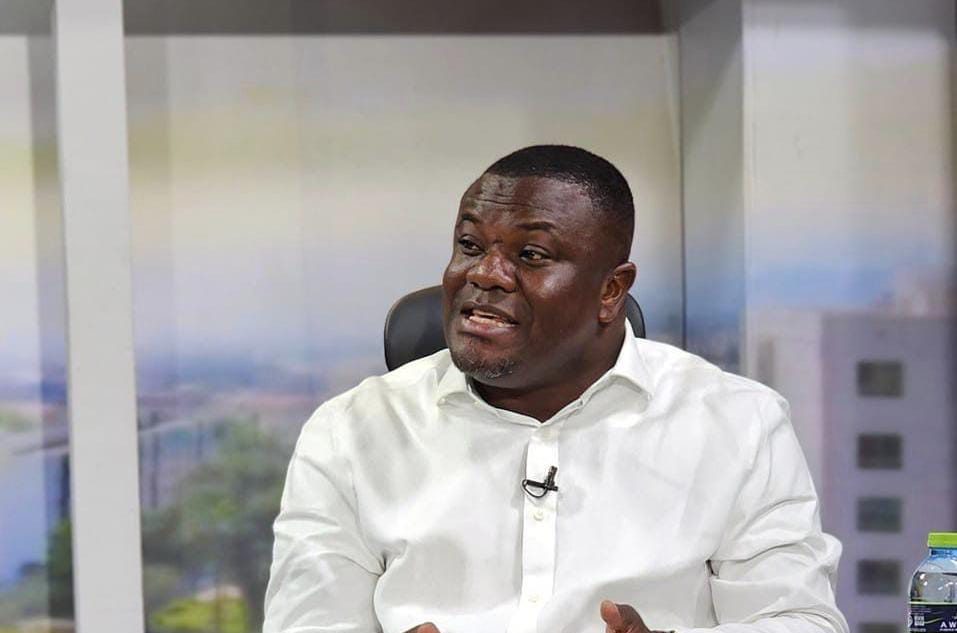
Ghana’s Deputy Ranking Member of Parliament’s Energy Committee, Collins Adomako-Mensah, has called for the Ghana Grid Company Limited (GRIDCo) and the Energy Minister to appear before Parliament. This demand follows recurring nationwide power outages, including two major disruptions within a month. The frequency of these blackouts raises serious concerns about Ghana’s energy security and economic stability.
Mr. Adomako-Mensah’s call comes after a widespread blackout on Thursday morning. This incident marked the second major disruption to Ghana’s national power system within a single month. These repeated outages highlight an urgent need for clear explanations from the entities responsible for the country’s power transmission system. Businesses and households across Ghana are directly affected by these interruptions.
These recurring power disruptions fit into a broader narrative of challenges within Ghana’s energy sector. Reliable electricity supply is fundamental for economic growth and investor confidence. Previous power crises, often termed 'dumsor,' have significantly impacted national productivity and job creation. The current situation risks undermining efforts to stabilize the economy and attract foreign direct investment. Data consistently shows a direct correlation between stable power and economic output.
“I’m just hoping that as Parliament reconvenes on an emergency for Monday, I just spoke to my chairman. I think we have to call GRIDCo and the Minister to appear before the Energy Committee to give us exactly where the problems are,” Mr. Adomako-Mensah stated. He stressed the importance of parliamentary oversight in addressing these critical issues. This direct statement underscores the urgency of the situation from a legislative perspective.
The implications of these blackouts are far-reaching. Businesses face increased operational costs due to reliance on generators, which also raise carbon emissions. Households experience inconvenience and potential damage to appliances. Investors watch closely for stability in essential services before committing capital. Parliament’s Energy Committee will need to scrutinize the root causes and proposed solutions. A transparent and timely resolution is essential to prevent further economic setbacks and maintain public trust.
Mr. Adomako-Mensah also revealed that the Energy Committee has not received the official report on the earlier power system incident. GRIDCo had indicated that this report was submitted to the Energy Minister. The committee has only seen commentaries about the report on social media and news platforms. This lack of official documentation prevents Parliament from independently assessing the findings and proposed corrective actions.
During a previous appearance before the Energy Committee concerning an audit report, GRIDCo confirmed submitting the incident report to the Minister. The company also ruled out sabotage as a cause for the earlier disruption. However, without direct access to the full report, Parliament cannot properly evaluate the causes or determine if recommended measures were implemented. This information gap hinders effective legislative oversight.
The latest blackout makes the matter even more urgent. Recurring power outages concern every Ghanaian because reliable electricity is essential for daily life. It supports businesses, ensures household comfort, and powers critical services like hospitals. The economic cost of these disruptions, though not yet quantified for these specific incidents, can run into millions of GHS through lost productivity and damaged goods. This situation demands immediate and decisive action from all stakeholders.
Ghana’s economic resilience depends on a robust and consistent power supply. The Energy Committee’s demand for accountability reflects a broader public desire for transparency and solutions. Moving forward, the focus will be on the explanations provided by GRIDCo and the Energy Minister. Parliament’s ability to enforce accountability and ensure the implementation of lasting solutions will be crucial. This will help safeguard Ghana’s economic future and prevent further disruptions.