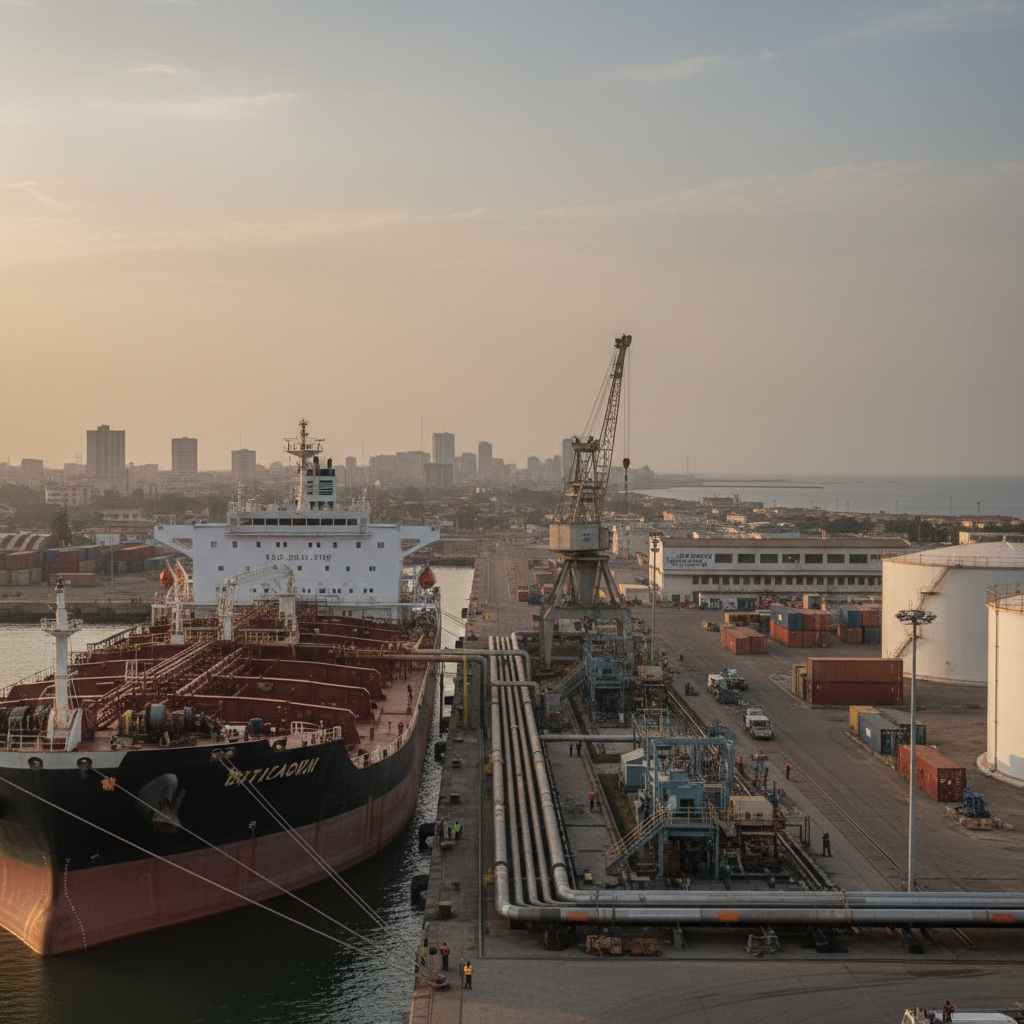
Oil prices edged higher on Tuesday, with Brent crude futures gaining 28 cents to reach $72.29. U.S. West Texas Intermediate (WTI) crude also rose by 29 cents to settle at $68.84 a barrel. These modest increases occurred as traders redirected their attention from easing geopolitical tensions in the Middle East to prospects of increased supply and demand.
The slight rise in oil prices was limited despite various market factors. Producers are increasing output, and major players like Saudi Arabia have significantly cut official selling prices. These movements signal a shift towards balancing the market through supply and demand dynamics, rather than immediate geopolitical risks.
This development is crucial for Ghana's economy, heavily reliant on oil imports and susceptible to global price fluctuations. Higher oil prices can impact fuel costs, transportation, and overall inflation, directly affecting consumers and businesses. The Bank of Ghana closely monitors global oil trends due to their significant influence on the national budget and economic stability. Previous periods of high oil prices have strained the national budget, leading to increased import bills and pressure on the Ghana cedi (GHS).
Tim Waterer, chief market analyst at KCM Trade, noted the reduced immediate risk premium. He stated, “The steps towards recovery in supply have eased the immediate risk premium, but the market remains wary of putting too much faith in the stability of the current truce given the on-again-off-again nature of U.S.-Iran relations.” This sentiment highlights the cautious optimism in the market despite increased supply.
Moving forward, market participants will closely watch demand responses, especially from China. The Organisation of the Petroleum Exporting Countries (OPEC) and its allies agreed to increase output by 188,000 barrels per day (bpd) from August, following similar increases in June and July. Saudi Arabia also reduced its August official selling price for Arab Light crude to Asia by $11, the largest drop in over two decades. Observers will monitor whether the actual physical demand matches the optimistic headlines surrounding supply increases. These factors will determine the next significant movement in global oil prices and their subsequent impact on Ghana's economy.