Oil prices settled over 1% higher on Monday, with Brent crude reaching $89.22 a barrel and U.S. West Texas Intermediate (WTI) closing at $83.23. This increase was driven by hopes of renewed negotiations between the United States and Iran, which helped to offset concerns about a naval blockade against Saudi Arabia threatened by Yemen's Houthis.
The Middle East conflict has escalated, but the prospect of de-escalation talks has temporarily calmed fears of further disruptions to global oil supplies, particularly those moving through the critical Strait of Hormuz. Brent crude futures settled $1.12, or about 1.3%, higher, while U.S. West Texas Intermediate crude closed 74 cents, or 0.9%, higher. These gains occurred despite a volatile trading session, reflecting the delicate balance between geopolitical tensions and diplomatic efforts.
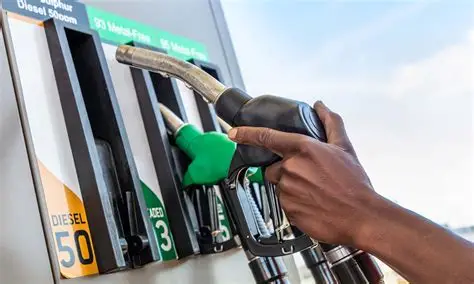
This global oil price movement directly impacts Ghana's economy, as the nation is a net importer of refined petroleum products. Fluctuations in international crude prices directly influence fuel prices at the pump, affecting transportation costs, industrial operations, and ultimately, inflation. The recent slight drop in fuel prices in Ghana at the start of May could be reversed if global oil prices sustain an upward trend, posing a challenge to the Bank of Ghana's efforts to manage inflation and stabilize the Ghana cedi (GHS).
Daniela Hathorn, Senior Market Analyst at Capital.com, noted, “While the conflict remains far from resolved, the prospect of renewed talks has eased immediate concerns over further disruptions to oil supply and shipping through the Strait of Hormuz.” This sentiment highlights the market's sensitivity to diplomatic progress, even amidst ongoing hostilities. Mediators have reportedly presented Iran with a proposal for a 10-day ceasefire to revive an interim deal, according to a senior Iranian official.
Looking ahead, the stability of oil prices hinges on the success of these diplomatic efforts and the containment of regional conflicts. A failure to achieve a ceasefire, coupled with intensified Houthi threats to Red Sea shipping, could lead to a significant rebound in oil prices, according to Jorge León, head of geopolitical analysis at Rystad Energy. He warned that about 2.5 million barrels per day of Saudi oil is at risk from the Houthi threat. Conversely, a record amount of crude oil on water, estimated at 1.35 billion barrels, could limit future price increases, as noted by Kpler analysts. Ghanaian policymakers and businesses will closely monitor these developments, as sustained high oil prices could put renewed pressure on the GHS and increase the cost of living for citizens.