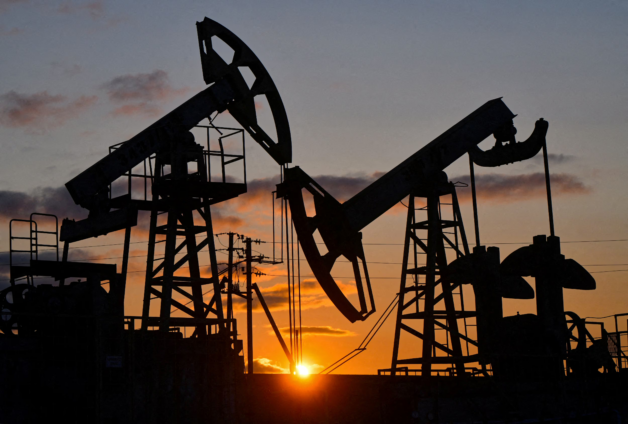
Global oil prices surged by more than $3 a barrel on Wednesday. This increase followed joint strikes in Iraq by the United States and Saudi Arabia. The interception of Iranian ballistic missiles targeting US forces in the Middle East also contributed to the price hike. Brent crude futures increased by $3.30, or 3.9%, reaching $87.39 a barrel. US West Texas Intermediate (WTI) crude rose $3.05, or 3.8%, to $82.31 a barrel. These developments signal heightened geopolitical tensions in the Persian Gulf region.
The price jump occurred after the US military confirmed intercepting a surprise attack on its troops. Saudi Arabia also intercepted drones from Iranian-backed groups in Iraq. These drones targeted Saudi energy infrastructure. US and Saudi forces then launched strikes on weapon sites across eastern Iraq. This series of events has significantly heightened regional instability.
This escalation in the Middle East directly impacts Ghana's economy. Ghana is a net importer of crude oil. Higher global oil prices translate into increased costs for fuel and energy locally. This can lead to higher inflation, affecting the cost of living and doing business across the country. The cedi's stability could also face pressure from increased import bills for oil.
Analysts from ING noted the renewed strength in oil prices. They stated, "Renewed strength comes after the U.S. said it intercepted a surprise attack on U.S. troops." They also added, "Saudi Arabia intercepted drones from Iranian-backed groups in Iraq, which were targeting Saudi energy infrastructure." These statements underscore the direct link between geopolitical events and market reactions.
Looking ahead, the ongoing tensions in the Persian Gulf will be a critical factor for global oil markets. Any further escalation could push prices even higher. Decision-makers in Ghana will closely monitor these developments. They will need to consider potential policy responses to mitigate the impact of rising oil costs on the domestic economy. The Energy Information Administration's official inventory data, due later today, will also provide further market insights.
Further supporting the price increase, OPEC+ is likely to halt oil output increases. This pause is expected for three months starting in October. This decision follows the producer group's completion of scheduled barrel returns after voluntary cuts. This supply-side constraint, combined with geopolitical risks, creates a bullish outlook for oil prices. US crude inventories also fell by about 3.3 million barrels in the week ended July 24. This reduction in supply further tightened the market.
The Ghanaian government and the Bank of Ghana (BoG) will need to assess these external pressures. They must consider their impact on inflation targets and fiscal planning. Businesses reliant on fuel, such as transport and manufacturing, will face increased operational costs. Consumers will likely see higher prices at the pump. This situation demands careful economic management to protect Ghana's fragile economic recovery.