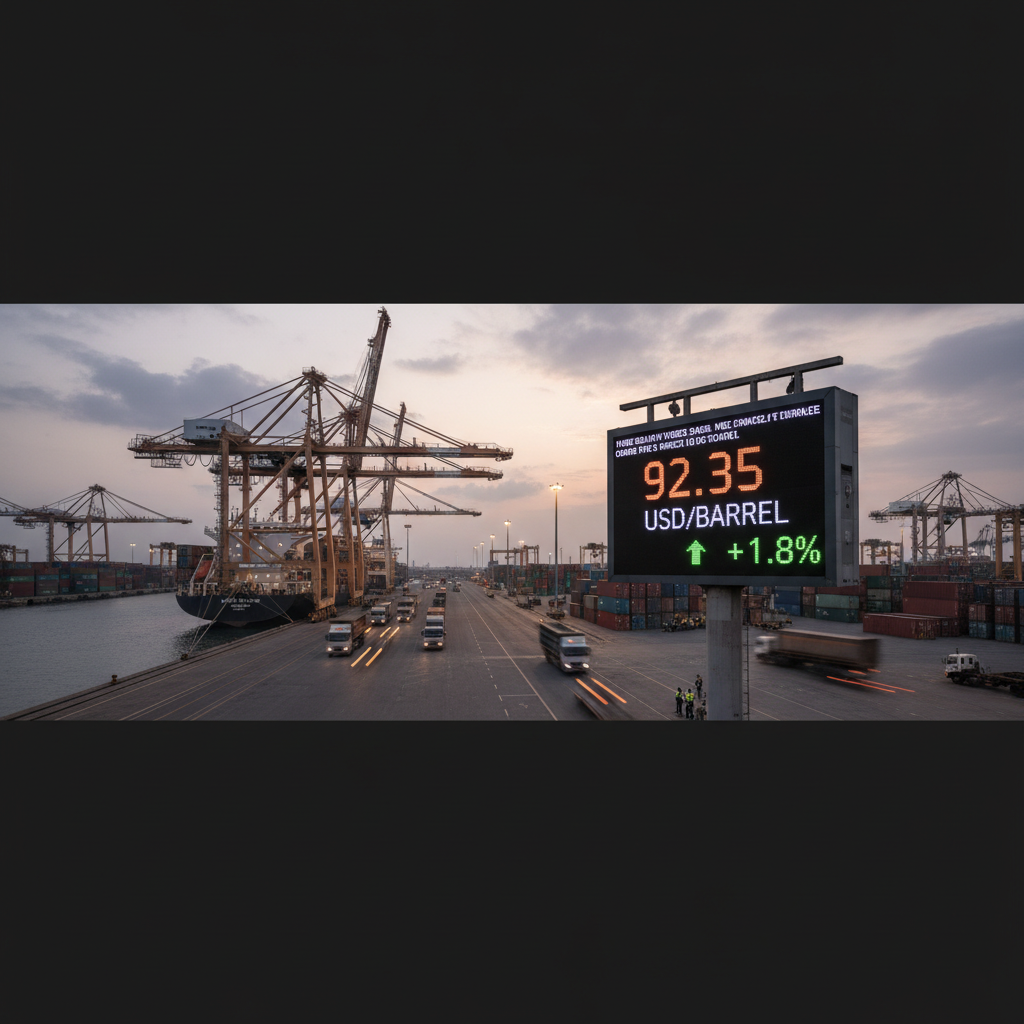
Global oil prices increased by nearly 2% on Wednesday. This rise followed US military airstrikes against Iran and the US government's decision to reimpose sanctions on crude oil sales. Concerns about disruptions to oil supplies from the Middle East drove this price surge.
The US airstrikes responded to Iranian attacks on three commercial vessels. These attacks occurred in the Strait of Hormuz. The Strait of Hormuz is a crucial waterway for transporting Middle Eastern oil shipments to international markets. The US had previously revoked a license for Iranian crude sales after these attacks.
Ghana’s economy, heavily reliant on imported crude oil, faces increased pressure from rising global oil prices. Higher oil import costs can worsen Ghana’s trade balance and put upward pressure on inflation. The Bank of Ghana closely monitors international oil price movements. These movements directly impact domestic fuel prices and transportation costs. This situation complicates the government's efforts to manage inflation and stabilize the local currency, the Ghana Cedi.
Saul Kavonic, head of research at MST Marquee, commented on the situation. He stated, “The current conflagration is a reminder to the market of how fragile passage through the Strait still is.” He added that persistent tensions could support higher oil prices. This would happen if traffic through the waterway remains below 50% of pre-war levels. This outlook counters earlier market predictions of oversupply.
The current rise in oil prices signals a potential reversal of recent trends. Oil prices had previously fallen after the US and Iran signed a truce last month. Traders had bet on further price declines. These expectations were based on a predicted flood of Middle East supply entering the market. Now, market participants will closely watch developments in the Middle East. They will also monitor Iran’s response to the renewed sanctions. Any further escalation could lead to sustained higher oil prices, impacting global energy markets and consuming nations like Ghana.
Brent crude futures gained GHS 1.38, or 1.9%, reaching GHS 75.54 a barrel. U.S. West Texas Intermediate (WTI) crude climbed to GHS 71.81 a barrel. This represented a GHS 1.37, or 1.9%, increase. The gains reflect immediate market reactions to the geopolitical events. US crude oil inventories also fell last week. This data was cited by market sources from the American Petroleum Institute. Analysts had expected a decline of about 2.4 million barrels for the week ended July 3.