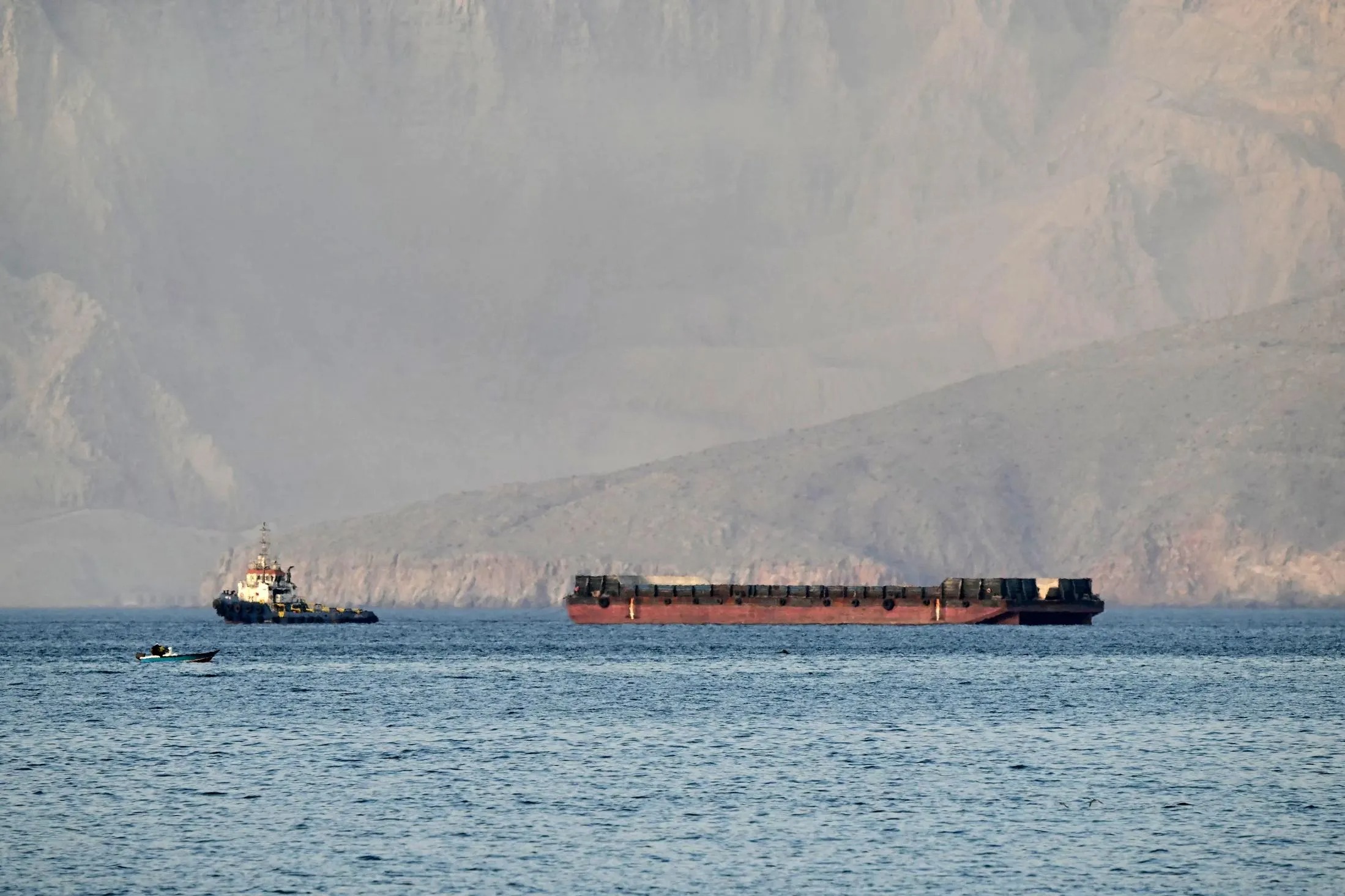
Ship traffic through the Strait of Hormuz has intensified, sending more oil to global markets. This surge in supply creates a potential oversupply in the oil market. JPMorgan commodity strategists, led by Natasha Kaneva, highlight this emerging problem.
The increased oil flow follows the winding down of conflict and ongoing negotiations between the US and Iran. A significant wave of oil is now entering a market that has adapted to lower supply. This unexpected increase in barrels clashes with current demand levels.
This situation contrasts with China's previous role as a major oil buyer. Historically, China purchased large volumes of oil beyond its immediate needs, supporting prices. However, China's oil imports have sharply declined. This drop in demand allowed other countries to secure alternative supplies, lessening the global market's need for new oil.
JPMorgan strategists noted that millions of barrels, previously held back, are now re-entering the market. China's internal oil demand fell so much that officials are investigating its permanence. This shift could be a temporary war-related change or a lasting structural reduction in fossil fuel use. "The barrels now exiting Hormuz increasingly have nowhere to go except China. But China is not buying," the strategists stated.
The immediate consequence is a risk of a temporary glut. The market learned to function without this oil for months. Now, the re-entry of this supply could disrupt that balance. Yet, strategists do not predict an immediate price collapse. Chinese refiners are expected to resume buying eventually. Also, countries and private companies will likely replenish their depleted oil reserves.
These corrective actions could take time. The market needs to assess the supply situation into 2027. The International Energy Agency expects world oil demand to fall by 1.1 million barrels per day in 2026. They predict a substantial oil supply overhang stretching into 2027. The market is undergoing a complex reboot process, similar to a computer restart after a crash. "Memory lingers. Processes restart unevenly. Temporary files accumulate," the JPMorgan strategists explained. The system must sort through residual chaos before stability returns.