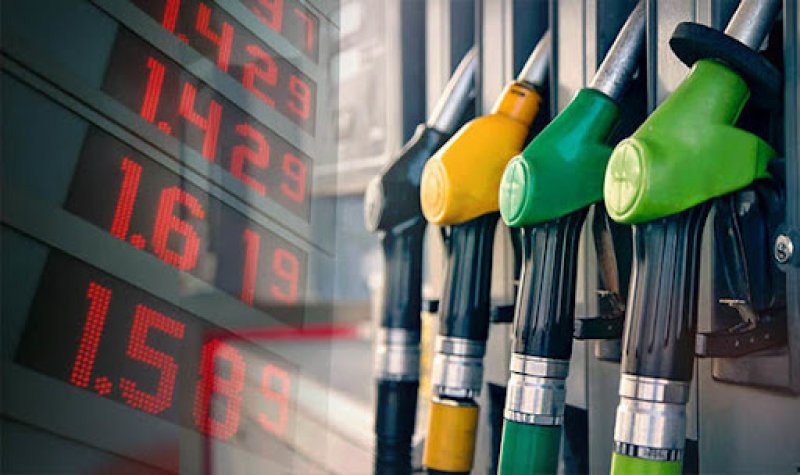
The National Petroleum Authority (NPA) has established new minimum prices for petroleum products, effective August 1, 2026. Consumers will now pay at least GHS 14.53 for a litre of petrol. Diesel prices are set at a minimum of GHS 16.97 per litre.
This price floor indicates a likely increase in fuel costs for Ghanaian consumers. Petrol prices are projected to rise by over 9.0% from the previous GHS 13.28. Diesel will see a significant jump from GHS 14.35 to GHS 16.97 per litre. Liquefied Petroleum Gas (LPG) will also sell for GHS 11.06 per litre.
These adjustments occur within a broader context of economic pressures in Ghana. The Ghana cedi has faced depreciation against major international currencies. Global crude oil prices have also seen substantial increases, directly affecting the cost of imported refined petroleum products. This trend has been a recurring challenge for Ghana's economy, influencing inflation and the cost of living.
The Chamber of Petroleum Consumers (COPEC) had previously forecast a significant increase in fuel prices for August 2026. COPEC's projections were based on the cedi's performance and the rising cost of finished petroleum products on the international market. The NPA's price floor excludes premiums charged by International Oil Trading Companies (IOTCs) and operating margins of Bulk Oil Distributors (BIDECs), marketers, and dealers. These additional costs will be determined independently by the companies, following the Price Liberalisation Policy.
The immediate implication is higher transportation and production costs across various sectors. Businesses relying on fuel, from manufacturing to agriculture, will likely pass these increased costs to consumers. This could further fuel inflation, impacting household budgets and overall economic stability. Decision-makers will closely monitor the cedi's stability and global oil price movements, as these factors will continue to influence future price reviews. The next price review window is typically the 15th of each month, but some Oil Marketing Companies (OMCs) have already adjusted prices.
Some OMCs have already increased their prices before the August 1 deadline. The Managing Director of Star Oil stated this decision was due to a sharp rise in international prices. World market prices for gasoline have increased by nearly 20%, and diesel prices have risen by approximately 25%. Another major player confirmed moving to spot pricing due to current international market developments. Bulk Oil Distribution Companies (BDCs) have also increased their prices, citing price volatility on the international market.
Dr. Kweku Ofori, Chief Executive Officer of the Chamber of Bulk Oil Distributors, attributed the price hikes to renewed clashes between the USA and Iran. These geopolitical tensions have caused crude oil and petroleum product prices to rise by almost 20%. This situation highlights Ghana's vulnerability to global energy market fluctuations. The government's energy policy and currency management will be crucial in mitigating the impact on citizens and businesses.