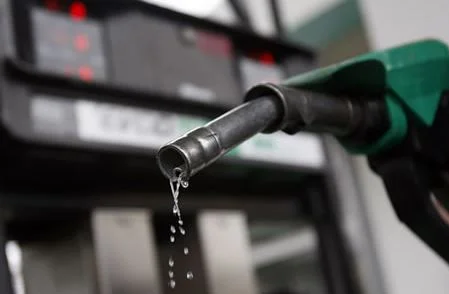
The National Petroleum Authority (NPA) has increased the price floor for petrol to GHS 14.53 per litre and diesel to GHS 15.60 per litre. These new benchmarks take effect from September 1, 2026, and will remain in place until September 16, 2026. This decision directly impacts the minimum prices at which petroleum products can be sold in Ghana.
This adjustment means petrol's price floor rose by 4.38% from its previous GHS 13.92 per litre. Diesel's price floor also increased by 2.69% from GHS 15.19 per litre. The NPA's directive requires all industry players, including Oil Marketing Companies (OMCs), to adhere to these new minimums. However, LPG prices saw a slight reduction, moving from GHS 10.98 to GHS 10.85 per kilogramme.
These price floor increases arrive amidst ongoing economic pressures and recent government interventions in the energy sector. Ghana's economy has grappled with high inflation and currency depreciation, making fuel prices a sensitive issue. The government recently absorbed GHS 2 of the price of diesel at the pumps for August 2026. This temporary subsidy aimed to cushion consumers from rising costs. The current NPA decision suggests a potential shift away from such direct subsidies, or at least a re-evaluation of their scope.
JOY BUSINESS data indicates these new price floors. The NPA reminded all industry players, including OMCs and LPG Marketing Companies (LPGMCs), not to sell petroleum products below these approved price floors. However, the NPA clarified that these floors exclude premiums charged by International Oil Trading Companies (IOTCs) and operating margins of BIDECs. Marketers' and dealers' margins for OMCs/LPGMCs are also independently determined under the Price Liberalisation Policy. This policy allows OMCs to set their own prices above the floor, fostering competition.
The immediate implication is a strong likelihood of higher pump prices for consumers starting September 1, 2026. While some OMCs initially indicated prices might remain unchanged, market competition will guide their final pricing decisions. With many OMCs already pricing above the previous floor, further increases are widely anticipated. Higher fuel costs will directly affect transport fares, operational expenses for businesses, and household budgets. This could further fuel inflation, impacting the purchasing power of ordinary Ghanaians. Policymakers will closely monitor the market response and potential calls for renewed consumer relief measures. The government's stance on extending or modifying the diesel subsidy beyond August 2026 remains unclear, adding to market uncertainty.
The consistent rise in fuel prices has been a significant contributor to Ghana's overall inflation rate. Transport costs, a major component of the consumer price index, directly reflect changes at the pump. Businesses, especially those reliant on logistics and transportation, face increased operational costs. This can lead to higher prices for goods and services, creating a ripple effect throughout the economy. The NPA's role in setting these price floors is crucial for market stability, but also for managing the economic burden on citizens. The decision highlights the delicate balance between market liberalisation and consumer protection in Ghana's energy sector. Future policy decisions regarding fuel subsidies and taxation will be critical in shaping the economic landscape for the remainder of 2026 and beyond.