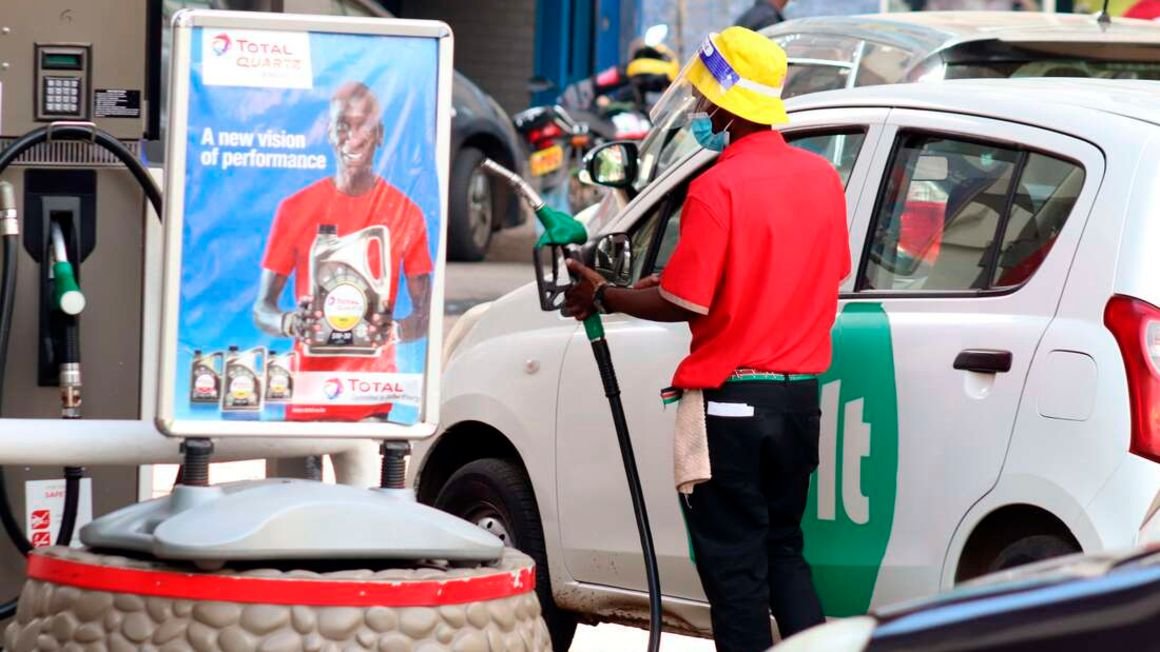
The National Petroleum Authority (NPA) has increased the minimum retail price for diesel by 18.30% for the first pricing window of August. This adjustment raises the minimum diesel price to GHS 16.97 per litre from GHS 14.35 in the previous window. Petrol’s minimum retail price also rose by 9.40% to GHS 14.53 per litre, while liquefied petroleum gas increased by 8.50% to GHS 11.06 per kilogram.
This significant rise in diesel prices is likely to have broad economic consequences. Diesel is a major input for commercial vehicles, heavy machinery, generators, and industrial equipment across Ghana. A sustained increase in its price will raise transport, production, and distribution costs across several key sectors simultaneously. Businesses heavily dependent on logistics, such as haulage companies, manufacturers, mining operators, and agricultural producers, will face immediate pressure.
This development fits into Ghana's ongoing economic narrative of managing external shocks and currency depreciation. The country has been working to stabilize its economy and control inflation. However, rising fuel costs, a critical component of the consumer price index, threaten to undermine these efforts. The Bank of Ghana has been implementing measures to curb inflation and maintain economic stability.
The NPA’s published floors establish the minimum prices that Oil Marketing Companies and LPG Marketing Companies must observe. These do not necessarily represent the final pump prices consumers will pay. Retail prices at individual filling stations could rise above these NPA floors, depending on market participants' cost structures and pricing decisions. This means consumers could experience even higher prices at the pump.
The adjustment reflects the growing influence of external market conditions on Ghana’s downstream petroleum industry. International crude and refined product prices have strengthened due to renewed geopolitical tensions involving the United States and Iran. This increases the cost of petroleum imports for Ghana. The cedi’s depreciation has compounded these pressures because petroleum products are purchased in foreign currency.
According to the Bank of Ghana’s July 2026 Summary of Economic and Financial Data, the cedi had weakened by 9.50% against the US dollar by the end of July. A weaker domestic currency raises the cedi cost of imported fuel even if international product prices remain unchanged. The simultaneous rise in global prices and depreciation of the local currency creates a particularly difficult pricing environment for importers, distributors, and regulators.
For businesses, these new fuel benchmarks arrive at a challenging time. Many companies are attempting to rebuild margins after a prolonged period of high inflation, tight financing conditions, and weak consumer demand. The diesel increase could erode some of those gains, particularly for firms unable to pass higher costs fully to customers. Manufacturers may face increased expenses for electricity generation, machinery, and distribution. Food producers could encounter higher costs at several stages of the supply chain.
Transport operators may also come under pressure to seek fare increases, especially if actual pump prices move significantly above the prescribed floors. Any adjustment in public transport fares would directly affect household budgets. It could also indirectly raise the cost of food and other essential goods for ordinary Ghanaians. This would further strain household finances already under pressure.
This development presents a policy challenge for authorities seeking to preserve Ghana’s recent disinflation trajectory. Fuel prices feed into inflation through several channels, including transportation, electricity generation, production, and retail distribution. A single pricing-window increase may have a limited effect if international prices and the cedi subsequently stabilize. However, repeated increases could generate more persistent second-round effects as businesses and workers adjust prices and income expectations. This risk could become relevant to future monetary policy decisions if rising fuel costs slow the pace of inflation moderation or begin to influence underlying price pressures. The first pricing window of August will therefore test both household purchasing power and corporate resilience. It will also demonstrate whether Ghana’s improving macroeconomic indicators can withstand renewed pressure from the two external variables that continue to shape domestic fuel prices: the international market and the local currency's strength.