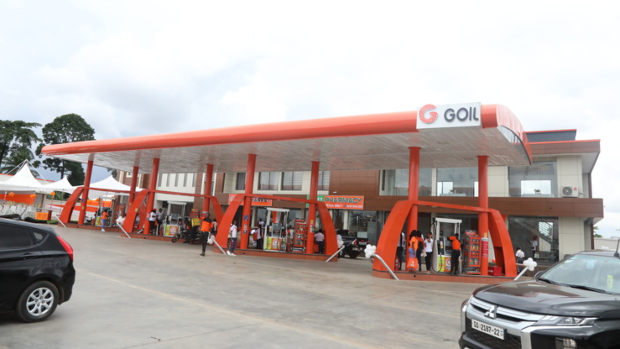
The National Petroleum Authority (NPA) has mandated that all Oil Marketing Companies (OMCs), fuel station operators, dealers, and transporters enforce essential safety protocols at fuel stations impacted by flooding. The NPA cautions that failure to comply may result in regulatory penalties and legal action. This directive comes in response to significant rainfall and flooding in various regions of the country, raising alarms about the potential for fuel contamination, fires, explosions, and environmental damage.
The NPA's decision directly addresses current public safety concerns and the potential for widespread economic disruption. Flooding can damage critical fuel infrastructure, leading to product loss and environmental cleanup costs. Unsafe fuel stations pose immediate risks to human life and property, potentially halting local economic activities. The regulator's swift action aims to prevent these severe outcomes across affected areas.
This intervention is crucial for Ghana's energy sector stability and public health. Ghana frequently faces seasonal flooding, which impacts infrastructure, including fuel distribution networks. Previous incidents of environmental damage from contaminated sites have highlighted the need for robust action. The NPA's pre-emptive measure seeks to protect consumers and prevent long-term environmental degradation, aligning with ongoing efforts to improve disaster preparedness and infrastructure resilience.
In a public announcement, the NPA instructed operators of flooded fuel stations to promptly halt all fuel dispensing, loading, and offloading operations. This applies to areas where floodwaters have submerged the forecourt, tank zones, or infiltrated underground fuel storage facilities. The Authority emphasized that such measures are non-negotiable for public safety.
Operators also received orders to disconnect electrical power to pumps, fuel dispensers, and canopy lighting where safe. They must ensure the evacuation of all personnel, customers, and vehicles from affected stations. Additionally, operators have been directed to create a safety exclusion zone of at least 100 meters around the impacted facilities. This 100-meter zone will prevent public exposure to volatile materials.
As part of the emergency protocols, the Authority has banned smoking, open flames, welding, and any activities that could produce sparks within the exclusion zone. Furthermore, operators are required to immediately inform the nearest NPA Regional Office, the Ghana National Fire Service (GNFS), the Environmental Protection Agency (EPA), and their respective Oil Marketing Companies. This comprehensive notification system ensures coordinated emergency responses.
The NPA has stated that fuel stations affected by flooding will not be allowed to resume operations until several safety conditions have been fulfilled. These conditions include the complete withdrawal of floodwaters and a joint safety assessment by the NPA and the Ghana National Fire Service. Certification by qualified personnel that underground storage tanks, pipelines, fuel dispensers, and related equipment are safe for use is also mandatory. These steps ensure integrity before reopening.
Operators are required to ensure that any water-contaminated fuel or hazardous waste is appropriately removed and disposed of in full compliance with environmental regulations. The Authority cautioned that the sale or distribution of contaminated petroleum products constitutes a breach of petroleum regulations and will attract severe sanctions. This protects consumers from substandard fuel and environmental damage.
Additionally, the NPA issued a public advisory, urging motorists and residents to avoid entering, driving through, or gathering around flooded fuel stations. It warned against coming into contact with floodwater around affected facilities, noting that such water may contain petroleum products or other hazardous contaminants. The Authority further encouraged members of the public to immediately report fuel leaks, unusual petroleum odours, visible fuel sheens on floodwater or any other unsafe conditions to the Ghana National Fire Service or the nearest NPA office, while complying with instructions from emergency responders. Adherence to these guidelines is critical for community safety.