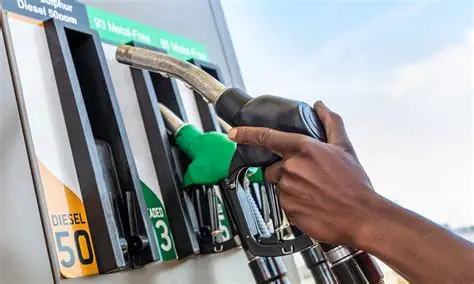
Ghana's National Petroleum Authority (NPA) has implemented safeguards to prevent private fuel companies from gaining excessive control over the nation's petroleum supplies. This action aims to protect Ghana from potential market manipulation by private entities.
NPA Chief Executive Godwin Edudzi Tamakloe confirmed these measures. He stated that Ghana currently possesses adequate fuel stocks, holding not less than 6 weeks of cover. This assurance comes despite growing global concerns about tightening petroleum supplies.
This development fits into Ghana's broader economic narrative of managing essential commodity prices and supply stability. The downstream petroleum sector faces pressure from rising international crude oil and refined product prices. Ghana, like many developing economies, is highly susceptible to global energy market fluctuations. The government aims to mitigate these external shocks to protect consumers and businesses.
Mr. Tamakloe emphasized that the structure of Ghana's downstream petroleum sector encourages private sector participation. He cited Act 691, the NPA's enabling law, which promotes private sector leadership. This law created various industry layers, including Bulk Distribution Companies and Oil Marketing Companies, with limited direct state involvement.
The immediate concern for the NPA is not the availability of petroleum products but rather the pressure on prices. Fuel prices in Ghana saw a slight drop at the start of May. However, the NPA recently raised the price floor for the latest pricing window. Petrol now has a minimum price of GHS 16 per litre, and diesel stands at GHS 16.77 per litre. These price adjustments reflect ongoing market dynamics and the need to ensure industry viability while protecting consumers.
The NPA's actions are a direct response to historical vulnerabilities. Mr. Tamakloe noted that the buffers are designed to prevent a recurrence of events from 2014-2015. During that period, private sector actions reportedly caused significant market instability. President Nana Akufo-Addo views preventing such scenarios as a major concern for national economic security.
Ghana's reliance on private stocks has raised questions about potential manipulation by fuel companies. The NPA boss acknowledged this concern. He stressed that the implemented safeguards are crucial to prevent private entities from holding the entire country to ransom. These measures ensure that the private sector's role remains beneficial without compromising national interests.
Reduced fuel export volumes by BOST Energies to Burkina Faso and Mali also highlight global supply conditions. BOST, however, has reassured the public there is no imminent fuel shortage in Ghana. The NPA's confidence in supply is further bolstered by the significant number of vessels carrying petroleum products currently heading to Ghana. Efforts by exporting countries to bring additional suppliers into the market, such as the Dangote refinery, also contribute to this optimistic outlook.
These measures aim to stabilize the domestic fuel market and prevent price volatility from impacting the broader economy. Businesses and consumers will closely watch how these safeguards affect pump prices and overall supply reliability. The government's ability to manage these dynamics is critical for economic stability and public confidence. The NPA's proactive stance seeks to balance private sector involvement with national energy security.