Northern Ghana continues to experience significant energy poverty, with electricity access rates as low as 60 percent in some areas. This stark reality persists despite Ghana achieving a national electricity access rate of approximately 90 percent.
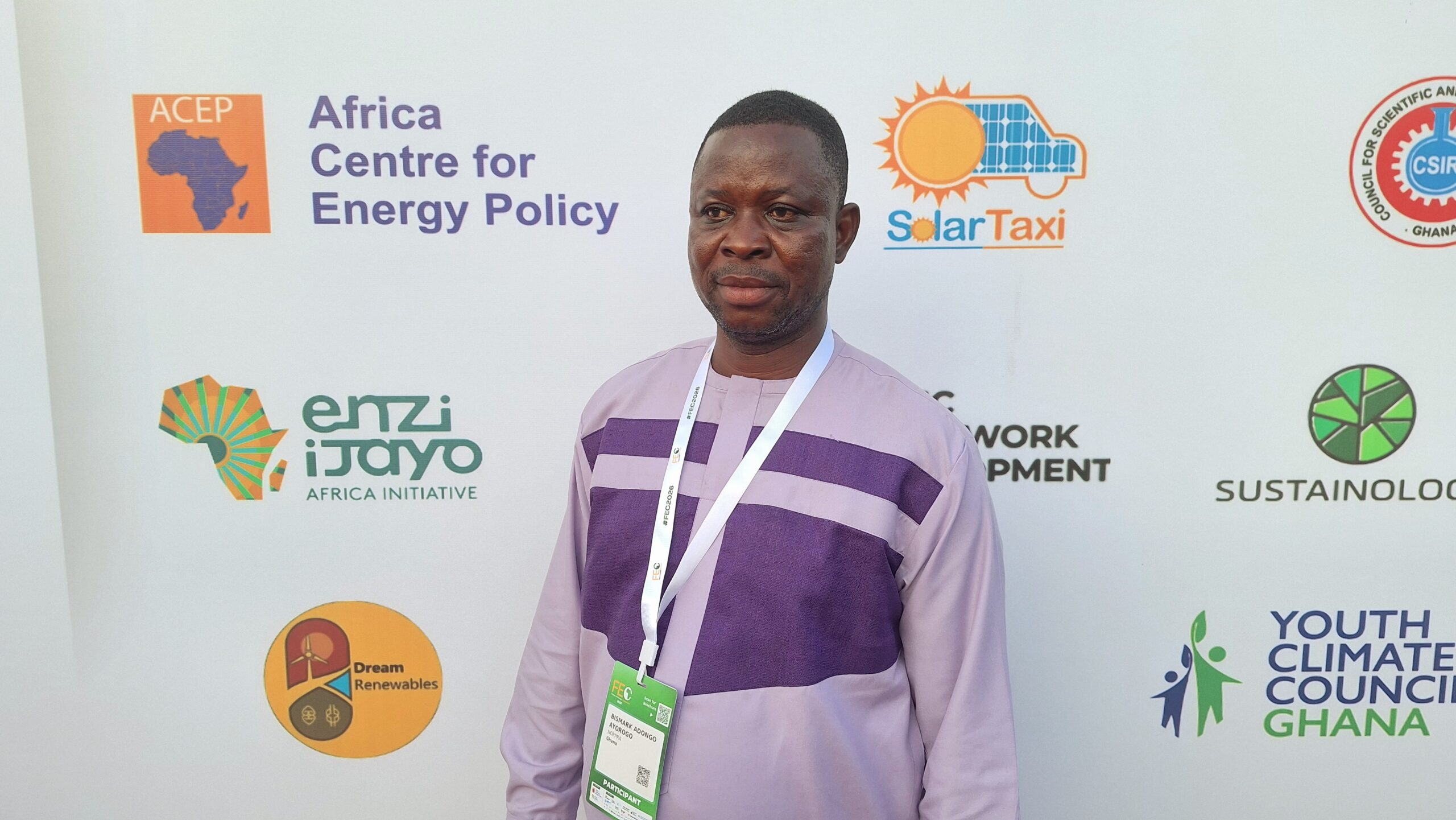
The Coordinator of the Northern Patriots in Research and Advocacy (NORPRA), Bismark Adongo Ayorogo, raised this concern. He spoke at the 2026 Future of Energy Conference in Accra. Mr. Ayorogo emphasized that this regional disparity demands urgent attention and strategic investment. The conference, organized by the Africa Centre for Energy Policy (ACEP), focused on Africa's energy future.
This regional imbalance highlights a broader challenge within Ghana's economic development narrative. While national infrastructure projects often show impressive figures, their benefits do not always reach all citizens equally. The country's renewable energy master plan, for instance, requires an estimated GHS 75 billion (US$5 billion) for full implementation. However, public resource allocation has not matched this substantial investment need. This situation risks leaving certain regions behind in the national development agenda. Ghana's commitment to equitable growth faces scrutiny when such critical disparities persist.
Mr. Ayorogo stated, "Ghana has a renewable energy master plan that requires about US$5 billion for effective implementation, yet public resources are not being allocated to match the scale of investment needed." He commended ACEP for fostering discussions among experts. These discussions aim to find solutions for eradicating energy poverty across Africa. The insights from such gatherings provide crucial data for policymakers.
The persistent energy poverty in Northern Ghana carries significant implications for economic growth and social equity. Businesses in these regions face higher operational costs or limited opportunities due to unreliable power. This hinders job creation and reduces household incomes. Decision-makers must now translate conference discussions into concrete actions. Increased public and private investment in renewable energy infrastructure for the north is crucial. The government's commitment to its renewable energy master plan will be closely watched. Equitable energy access is fundamental for Ghana to achieve its broader development goals. Failure to address this gap could exacerbate regional inequalities. It could also impede the country's overall progress towards sustainable development. The market for energy solutions in Northern Ghana presents a significant opportunity. Investors could find viable projects in solar or mini-grid systems. These systems could bridge the current energy access gap. Addressing this issue will also improve health and education outcomes in the affected communities. Reliable electricity supports modern healthcare facilities and educational tools. This contributes to human capital development. The long-term economic stability of Ghana depends on inclusive growth. Ensuring energy access for all regions is a cornerstone of this stability. It is essential for attracting investment and fostering local entrepreneurship. The government must prioritize these investments to unlock the full potential of Northern Ghana. This will help to reduce the current 30 percent gap in electricity access. It will also align with global sustainable development goals. The next steps involve securing the GHS 75 billion (US$5 billion) funding. This funding is vital for the renewable energy master plan. It will ensure that all parts of Ghana benefit from national progress.