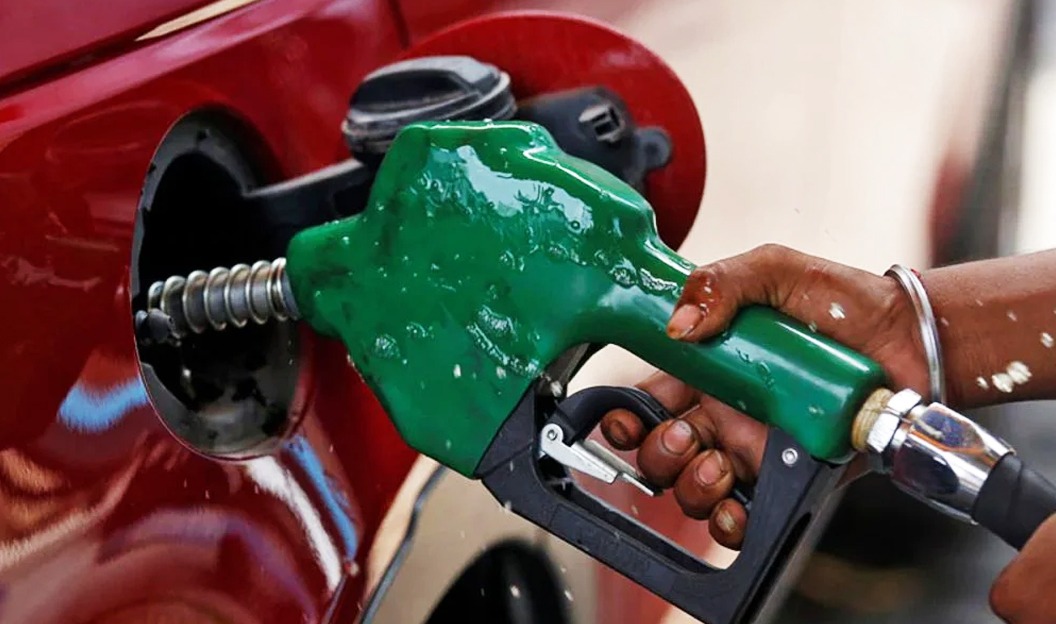
The Nigerian National Petroleum Company Limited (NNPCL) has increased its Premium Motor Spirit (PMS) pump price to N1,270 per litre. This marks a N20 per litre adjustment from its previous price of N1,250, directly affecting consumers at NNPCL retail outlets in Abuja and its environs.
This price hike comes despite two significant market factors that might suggest otherwise. Global crude oil prices, specifically Brent and West Texas Intermediate (WTI), have dropped to $88.80 and $81.86 per barrel, respectively. Furthermore, the Dangote Refinery has expanded its free petrol delivery initiative, offering petrol at a lower price of N1,185 per litre to 10 destinations across Nigeria, including Abuja.
This development in Nigeria's fuel market holds relevance for Ghana's economic outlook, particularly regarding regional energy pricing and inflation. Ghana, like Nigeria, is a net importer of refined petroleum products. Fluctuations in fuel prices in a major regional economy like Nigeria can influence broader West African market dynamics and consumer sentiment. Ghana's own fuel prices are subject to international crude oil prices and local taxes, making regional trends a key indicator for policymakers and consumers.
According to a market survey by DAILY POST, NNPCL's petrol is now between N15 and N40 per litre more expensive than offerings from other stations like MRS, Geregu, Ranoil, Emedab, and Mobil. MRS filling stations had earlier raised their petrol price by N20 to N1,230 per litre. Other stations, such as Empire and AA Rano, currently dispense petrol at prices ranging from N1,275 to N1,299 per litre.
The immediate implication is increased transportation costs for Nigerian consumers and businesses, potentially fueling inflation. Decision-makers will monitor how this price adjustment impacts consumer purchasing power and the broader economy. Observers will also watch for any ripple effects on regional trade and energy policies, given the interconnectedness of West African economies.