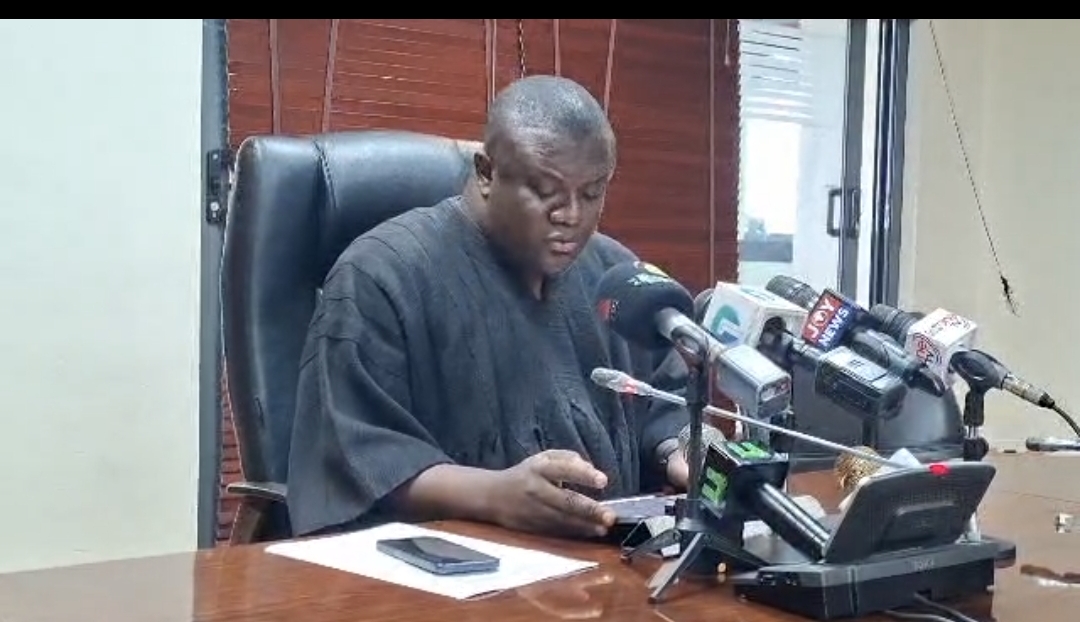
Ghana's Parliamentary Minority has demanded an immediate reversal of recent utility tariff increases. The Public Utilities Regulatory Commission (PURC) implemented these new rates. This decision has sparked significant political opposition.
This demand stems from concerns about the rising cost of living in Ghana. Higher electricity and water tariffs directly affect household budgets and operational costs for businesses. Many Ghanaians are already struggling with economic pressures and inflation.
Utility tariff adjustments frequently become a focal point in Ghana's economic and political landscape. The PURC, as the regulator, balances the financial viability of utility providers with consumer affordability. Previous tariff hikes have similarly met with public outcry and political interventions. Ghana's economy has faced challenges with inflation and currency depreciation, making any price increases sensitive. The government aims for fiscal consolidation and economic stability, but such measures often have social implications.
The Kumasi Mail reported on the Minority's stern call for this reversal. While no specific quotes from Minority leaders were available, the urgency of their demand is clear. Their stance reflects a common political strategy to advocate for consumer interests. This is especially true when economic policies impact the general populace significantly. The Minority's position signals an intensified debate on utility pricing mechanisms.
Moving forward, all eyes will be on the PURC and the government's response. The demand for a reversal could trigger negotiations or a review of the current tariff structure. Such political pressure might influence future regulatory decisions. Businesses and households will closely monitor these developments, as they directly impact their financial planning. The energy and water sectors are crucial for Ghana's development, and stable, affordable utility services are essential for economic growth. This situation highlights the constant tension between economic realities and social welfare concerns.
The long-term implications involve the PURC's independence and its ability to implement necessary cost-recovery tariffs. Without appropriate tariffs, utility companies may struggle to maintain infrastructure and ensure reliable supply. However, excessively high tariffs can burden citizens and stifle economic activity. A balanced approach is crucial to ensure sustainable utility services and public satisfaction. The government must address these concerns to maintain social cohesion and investor confidence. This public discourse on utility pricing is characteristic of Ghana's democratic accountability.