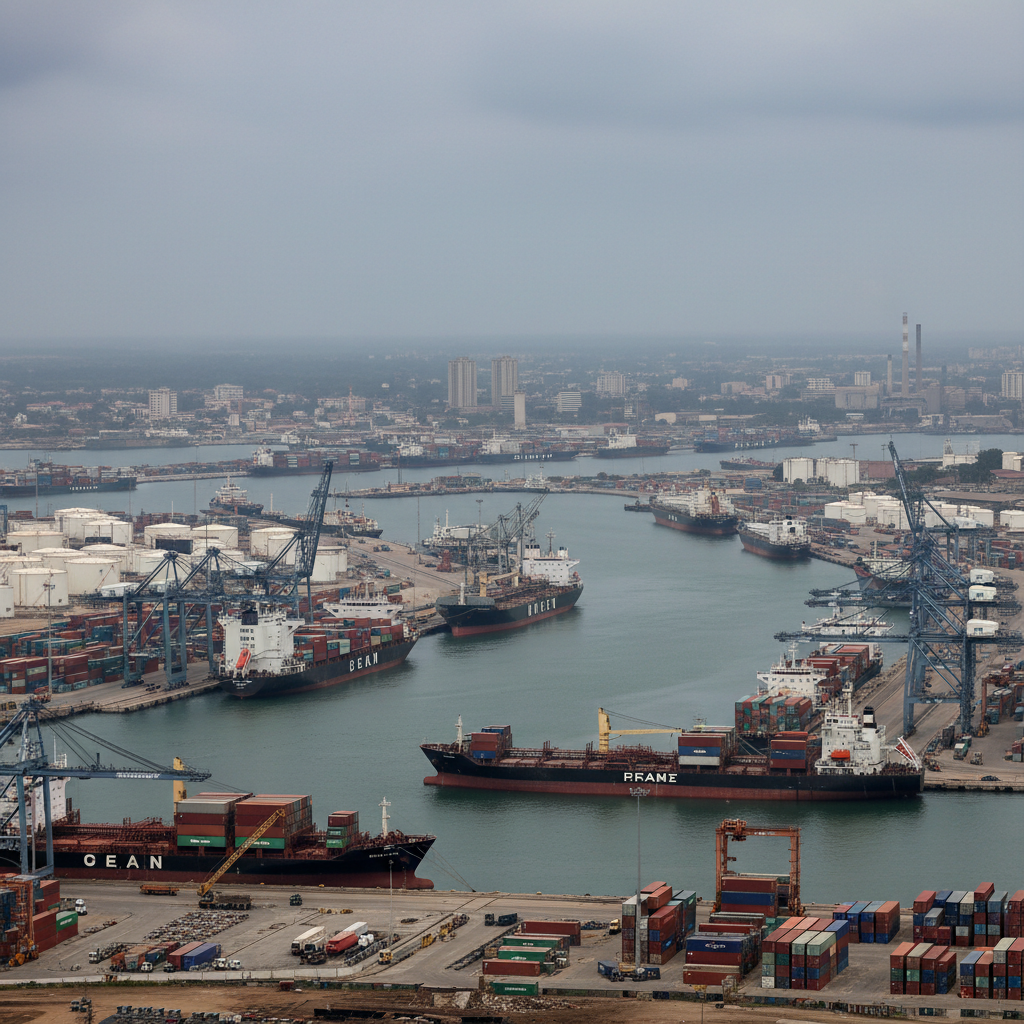
Vessels linked to Iranian trade significantly increased their transit through the Strait of Hormuz on Tuesday. This happened just before a United States (US) naval blockade took effect on Wednesday, according to shipping data. Nine of the 11 vessels that passed through the strait on Tuesday sailed via the Iranian route. This includes three empty oil tankers entering the strait. Vessels exiting the strait carried Iranian exports, including 2 million barrels of crude oil.
US President Donald Trump reimposed the naval blockade on Tuesday. He threatened to target power plants and bridges next week. This action depends on Iran resuming negotiations. This marks the latest escalation in the ongoing conflict between the US and Iran. The strait is a critical choke point, handling about a fifth of global oil and liquefied natural gas shipments daily.
These developments directly impact global energy markets. A slowdown in shipping through the Strait of Hormuz occurred due to intensified strikes between the US and Iran. This started after war erupted in February. Such disruptions lead to higher oil prices and increased volatility. Ghana relies on imported crude oil, making these price shifts critical for its economy. Citizens will eventually feel the impact at the fuel pump.
The US stated on Tuesday that Iran attacked seven commercial ships last week. These attacks resulted in nearly a dozen crew members being killed, missing, or injured. These incidents prompted the US re-imposition of the blockade. Goldman Sachs analysts noted that the next phase of Gulf flow recovery could be slower. This is even if geopolitical tensions de-escalate. They pointed to a sharp drop in flows through Omani and international routes. This indicates that shippers remain risk-averse.
Decision-makers in Ghana will closely monitor global oil prices. Any prolonged disruption in the Strait of Hormuz could increase Ghana's import bill. This would affect the Ghana cedi (GHS) and inflation rates. The government may need to consider strategies to mitigate these impacts. These strategies could include fuel subsidies or diversifying energy sources. The stability of global shipping lanes is crucial for Ghana's trade. Major disruptions could impact the cost of goods and services nationwide. Observers will watch to see if negotiations resume or if tensions further escalate. The global energy market remains highly sensitive to these geopolitical developments.
This situation underscores the interconnectedness of world economies. Events in the Middle East have direct consequences for daily life in Ghana. Businesses engaged in international trade will also face higher shipping costs. This could affect supply chains and profitability. The global community hopes for a swift and peaceful resolution to prevent further economic strain. Such regional conflicts have far-reaching implications for international trade and stability.