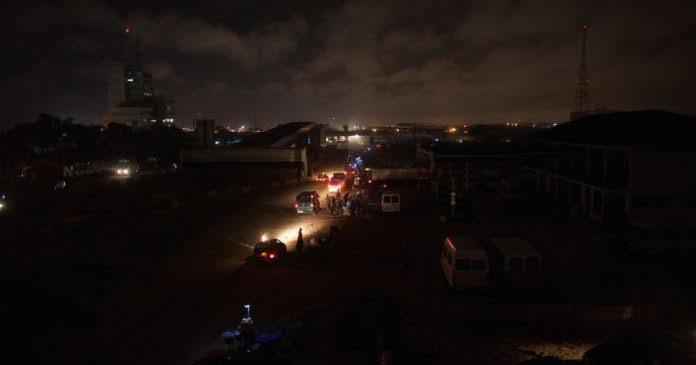
The Institute for Energy Security (IES) has called for a thorough investigation into Ghana’s two recent nationwide power outages. These incidents raise significant concerns about weaknesses in the country’s electricity supply system. The IES emphasizes the need for a critical assessment of the power value chain.
IES Research and Energy Security Analyst Smith Boahene stated the two outages occurred at different points in the power value chain. The first major outage, three weeks ago, resulted from a transmission system disturbance affecting large parts of the country. The latest disruption was attributed by GRIDCo to a fault near the Akosombo transmission line. These repeated incidents suggest potential issues like delayed maintenance or ageing equipment.
These power disruptions fit into a broader narrative of Ghana's persistent energy sector challenges. Reliable electricity supply is crucial for economic stability and growth. Frequent outages, locally known as 'dumsor', have historically hampered businesses and daily life. The government has invested significantly in the sector, including GHS 200 million by the Electricity Company of Ghana (ECG) for system upgrades. However, the recent blackouts indicate underlying systemic issues persist despite these efforts. This situation impacts investor confidence and national productivity.
Smith Boahene of the IES highlighted the need for transparency from system operators. He noted that the two scenarios "conflate a system failure, which needs a critical interrogation." Mr. Boahene stressed that without clear accounts of challenges over the past four to six weeks, stakeholders cannot properly assess grid operations. He added that despite ECG's GHS 200 million investment in upgrades, more information is needed on the broader infrastructure's condition.
The IES's call for an investigation signals potential pressure on key energy sector players like GRIDCo and ECG. Decision-makers will likely face increased scrutiny regarding infrastructure investment and maintenance strategies. Businesses and households will watch for concrete actions to stabilize the power supply. The reliability of Ghana's energy grid remains a critical factor for economic planning and public confidence. Any further disruptions could trigger significant public and market responses.
Ghana's energy sector has seen various interventions aimed at improving reliability. These include efforts to increase generation capacity and upgrade transmission infrastructure. However, the recent outages suggest that these interventions may not have fully addressed all vulnerabilities. The IES's demand for a probe underscores the urgency of identifying and rectifying these deep-seated issues. A stable power supply is fundamental for Ghana's industrialization agenda and overall economic development. The outcome of any investigation will inform future policy decisions and investment priorities in the energy sector. This situation also highlights the importance of robust regulatory oversight to ensure accountability and efficiency within the power value chain. The public expects clear communication and tangible solutions from energy authorities.