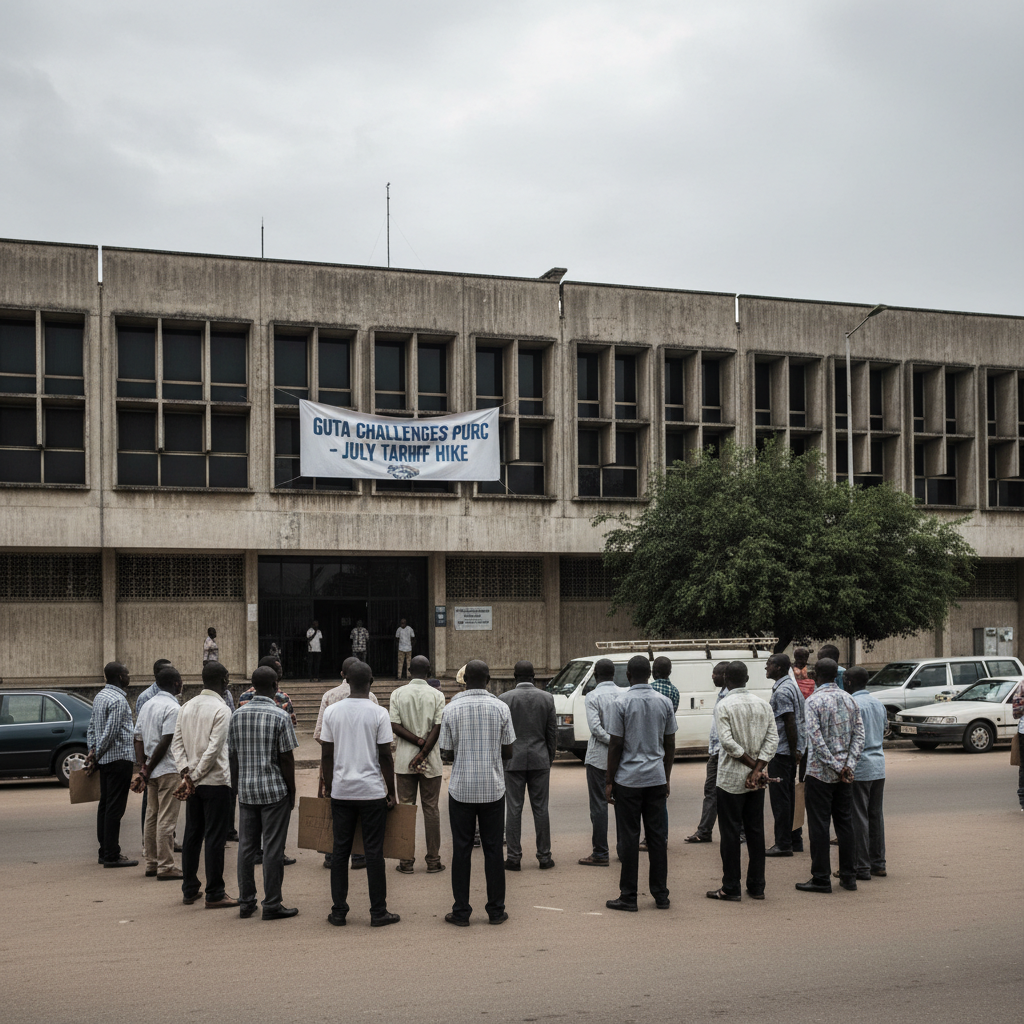
The Ghana Union of Traders' Associations (GUTA) has requested the Public Utilities Regulatory Commission (PURC) to suspend planned increases in electricity and water tariffs. These increases were set to take effect on July 1. GUTA argues that the factors cited by PURC do not justify these adjustments.
GUTA stated that PURC lacks justification for the tariff increment in a statement issued on June 24. The traders' group questioned the impact of the cedi's 4.18% depreciation between April and May. They described this as insufficient grounds for raising utility costs. GUTA also noted that inflation rose only marginally from 3.4% to 3.7% in the same period. Furthermore, the association pointed to declines in fuel prices during the second pricing window in June, with petrol falling by 9.3% and diesel by 1.7%.
This pushback from GUTA comes as Ghanaian businesses and households already grapple with high operating costs. Previous utility tariff adjustments have often led to increased production expenses for businesses. These costs are frequently passed on to consumers. High inflation and a depreciating cedi have already eroded purchasing power for many Ghanaians. Utility price increases could further dampen economic activity and consumer spending. This situation directly impacts the broader economic stability of Ghana.
GUTA's statement directly challenges PURC's rationale for the third-quarter tariff adjustment. PURC previously announced a 3.49% increase in electricity tariffs and a 0.85% increase in water tariffs. These adjustments are part of PURC's quarterly review mechanism, which considers various economic indicators. However, GUTA believes the current economic climate does not support such increases. They assert that the reported changes in key economic indicators are too minor to warrant a tariff hike.
The immediate implication of GUTA's call is increased pressure on PURC to reconsider its decision. Decision-makers within the regulatory body will need to weigh the concerns of the business community against the operational costs of utility providers. Markets will watch closely to see if tariffs are indeed suspended or adjusted. Businesses will monitor this outcome for its impact on their operational budgets. Consumers also anticipate a decision that considers their economic burden.
A suspension could offer temporary relief to businesses and consumers. However, it might also affect the financial health of utility companies. Continued dialogue between GUTA and PURC will be crucial. The outcome will influence the cost of living and doing business in Ghana. This decision carries significant implications for Ghana's economic outlook in the coming months. It will either ease or intensify inflationary pressures.