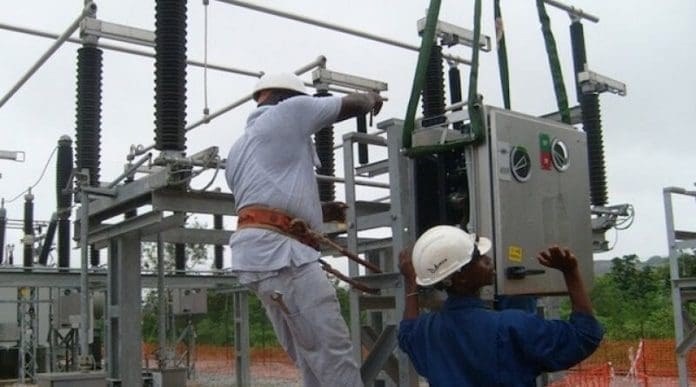
The Ghana Grid Company Limited (GRIDCo) has failed to provide sufficient information on the causes of recurring power outages in Ghana. Justice Ohene-Akoto, Director of the Africa Sustainable Energy Centre, made this accusation. He called for greater transparency from the state-owned power transmitter.
Mr. Ohene-Akoto’s demand follows another widespread power outage that affected several parts of Ghana on Thursday, August 20, 2026. GRIDCo attributed this latest incident to a major fault on the Akosombo–Volta transmission line. This fault triggered the automatic shutdown of the Akosombo generating units and some thermal plants, leading to the blackouts. However, Mr. Ohene-Akoto questioned whether this explanation fully accounts for the repeated failures within the national power system.
These persistent power outages, often referred to as 'dumsor' by Ghanaians, have significant economic consequences. Businesses suffer losses due to production halts and damage to equipment. Households face disruptions to daily life and increased costs from alternative power sources like generators. The lack of reliable power supply hinders industrial growth and investor confidence, impacting Ghana's overall economic stability and development goals. This situation has been a recurring challenge for the nation, affecting productivity across various sectors.
“We think GRIDCo is not telling us something. We think GRIDCo should be more transparent on exactly what some of these things are happening,” Mr. Ohene-Akoto stated. He suggested the latest incident could be linked to frequency problems within the national grid. He believes these frequency issues have contributed to previous system failures, indicating a deeper, systemic problem. This expert opinion highlights a potential disconnect between official explanations and underlying technical realities.
Mr. Ohene-Akoto recalled raising similar concerns during an earlier total system collapse. At that time, GRIDCo attributed the incident to lightning, an explanation he found questionable. He noted that recent comments by the Energy Minister regarding frequency-related challenges have strengthened his concerns about GRIDCo’s previous explanations. “Now, on this issue, the Minister came out and said frequency, which I agree with him,” he added, pointing to a potential shift in official understanding of the problem.
The energy analyst urged GRIDCo to conduct and publish comprehensive root-cause analyses after every major system failure. These analyses should include lessons learned and specific measures being taken to prevent similar incidents. He emphasized that such transparency would allow the public and experts to hold GRIDCo accountable for its performance and progress. Without this detailed information, it remains difficult to assess the effectiveness of any proposed solutions or investments.
Mr. Ohene-Akoto also questioned the efficacy of plans to construct a new ultra-modern control centre. He argued that such an investment might not address the underlying technical challenges affecting the national power system. “If the underlying issue were not resolved, we are going to burn the control centre as well,” he warned. This suggests that without fixing fundamental problems, new infrastructure alone may not guarantee improved reliability. He called for detailed troubleshooting reports and a clear roadmap for preventing future system failures.
The implications of continued power instability are far-reaching. Businesses may delay expansion plans, and foreign direct investment could be deterred, impacting job creation and economic growth. Consumers face higher living costs and reduced quality of life. Decision-makers must address these systemic issues to ensure a stable and predictable power supply. The market will closely watch GRIDCo’s response to these calls for transparency and its concrete actions to resolve the persistent challenges within Ghana's national grid. A reliable power sector is crucial for Ghana's economic future.