A system failure at the Ghana Grid Company (GRIDCo) triggered a nationwide power outage on Wednesday, July 29, 2026, at approximately 3:11 a.m. This disruption affected all major power generation sources connected to the national grid.
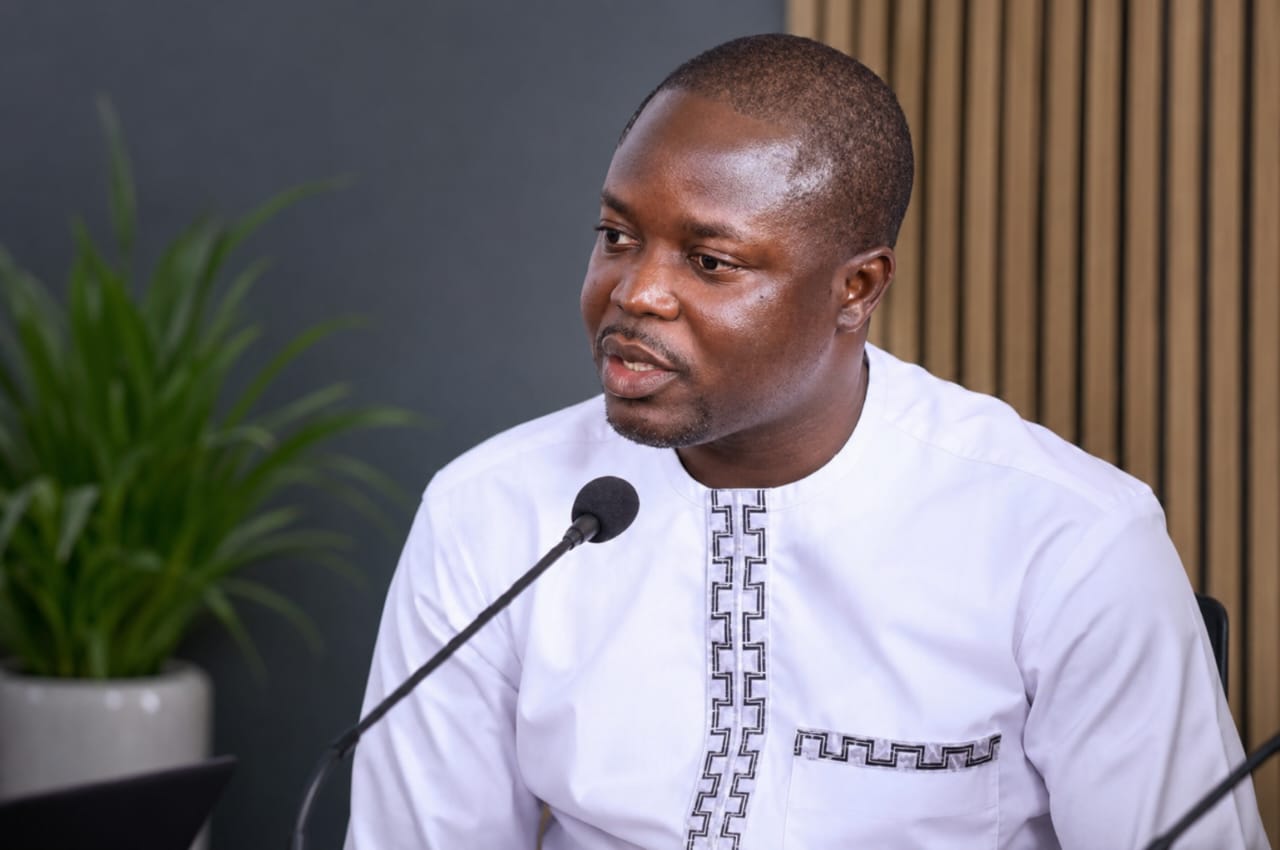
Benjamin Nsiah, Executive Director of the Centre for Environmental Management and Sustainable Energy (CEMSE), attributed the widespread blackout to the GRIDCo system fault. He explained that Ghana's transmission network is heavily integrated, meaning a single point of failure can disrupt power supply across the entire country. This fault prevented power transmission from generating plants, including those operated by the Volta River Authority (VRA) and Independent Power Producers (IPPs).
This incident underscores the critical need for robust infrastructure in Ghana's energy sector, a key driver of economic activity. Frequent power outages, locally known as 'dumsor', have historically hampered productivity and deterred investment. The current event highlights the ongoing challenges in maintaining a reliable power supply despite efforts to expand generation capacity.
Mr. Nsiah, speaking on the Kessben Maakye show, insisted that GRIDCo must resolve transmission faults before IPPs can restore electricity. He noted that reports of power returning to some areas indicate GRIDCo is gradually restoring its network. This allows power plants to reconnect and feed electricity back into the system.
The nationwide outage exposes the inherent vulnerability of Ghana's integrated national grid. Mr. Nsiah advocates for establishing isolated or 'islanded' power systems. These systems could continue supplying electricity to parts of the country even if the main grid experiences a major failure. Such a policy would significantly enhance Ghana's energy security and reduce economic disruption during outages.
The Ministry of Energy should develop this policy, with GRIDCo responsible for its implementation. Furthermore, the government must provide adequate resources to GRIDCo to improve the resilience of the transmission network. This investment is crucial to prevent similar nationwide outages in the future and ensure consistent power supply for businesses and households.
Mr. Nsiah commended the government's efforts to decentralize power generation. He specifically cited the relocation of some VRA generation facilities to the Ashanti Region as a positive step. This move will improve electricity reliability and strengthen regional power supply, reducing dependence on a single, centralized transmission system. Decentralization can mitigate the impact of localized grid failures.
Ensuring a stable power supply is paramount for Ghana's economic growth targets. Businesses rely heavily on consistent electricity to operate efficiently and maintain production schedules. Unplanned outages lead to significant financial losses and reduced investor confidence. The government's commitment to strengthening the grid will be closely watched by both domestic and international stakeholders.
Future policy decisions regarding energy infrastructure will need to balance cost with resilience. The long-term economic benefits of a more robust and decentralized grid far outweigh the initial investment. This incident serves as a stark reminder of the continuous need for strategic planning and investment in Ghana's critical energy infrastructure.